August 7th, 2026
Dr. Mulholland, Md
Many people begin researching cosmetic procedures with a specific treatment already in mind. They may have seen before-and-after photos online, heard about a procedure from a friend, or spent time reading about their options.
By the time they schedule a consultation, it’s common to ask for a particular treatment by name.
While doing research is a great first step, a consultation often reveals that there are several ways to address the same concern. The procedure a patient initially requests may be one option, but it isn’t always the one that best matches their anatomy, skin quality, or goals.
Every face and body ages differently. A personalized treatment plan takes those differences into account and helps guide recommendations that are appropriate for each individual.
What Is a Personalized Treatment Plan?
A personalized treatment plan is developed after evaluating your unique anatomy, concerns, medical history, and cosmetic goals.
The purpose is to recommend treatments that suit your needs instead of following a standard approach for every patient with a similar concern.
During a consultation, your provider looks at many factors that influence treatment recommendations, including:
- Skin quality
- Skin elasticity
- Facial proportions
- Facial volume
- Fat distribution
- Muscle support
- Medical history
- Lifestyle
- Recovery expectations
- Desired outcome
Looking at the whole picture allows your provider to recommend treatments that complement your natural features while helping you work toward your aesthetic goals.
The Same Concern Can Have Different Solutions
Many cosmetic concerns can be treated in more than one way.
Take loose skin along the jawline as an example.
One patient may have mild skin laxity and good skin elasticity. A collagen-stimulating treatment such as Morpheus8 may help improve skin firmness and definition.
Another patient may have more significant skin laxity and stretched tissues. A facelift or neck lift may provide a more appropriate solution.
Both patients share a similar concern, but the condition of their skin and underlying tissues is different. Those differences influence which treatments are most likely to provide the desired result.
The same principle applies to many other cosmetic concerns, including fine lines, volume loss, uneven skin texture, and body contouring goals.
Factors That Influence Treatment Recommendations
No single factor determines which cosmetic procedure is right for a patient.
Providers consider several characteristics during the consultation process.
Skin Quality
Healthy skin responds differently than skin that has experienced significant sun damage or collagen loss.
Skin quality influences healing, treatment selection, and expected results.
Skin Elasticity
Skin elasticity helps providers understand how much natural support remains within the skin.
Patients with good elasticity may benefit from different treatments than someone with more advanced skin laxity.
Facial Structure
Bone structure, facial proportions, age, and soft tissue all contribute to facial balance.
Treatments are selected with these features in mind to create natural-looking results that fit each patient’s anatomy.
Lifestyle
Daily activities, work schedules, exercise routines, and recovery availability all influence treatment planning.
Some patients prefer treatments with little downtime, while others are comfortable taking additional recovery time if it aligns with their goals.
Personal Goals
Every patient has different priorities.
Some hope to achieve subtle improvements that friends and family may not immediately notice. Others are looking for more noticeable rejuvenation or body contouring.
Discussing these goals helps guide treatment recommendations and ensures patients understand what each procedure can realistically accomplish.
Social Media Doesn't Tell the Whole Story
Social media has made cosmetic procedures more accessible than ever. It has also created unrealistic expectations for some patients.
Before-and-after photos often show beautiful results, but they don’t tell the full story behind each patient’s treatment plan.
The photos don’t show:
- Individual anatomy
- Skin quality
- Medical history
- Healing response
- Combination procedures
- Long-term maintenance
Two people can undergo the same procedure and still have different results because their starting point is different.
Looking at photographs can be helpful when discussing aesthetic preferences, but they should not be viewed as a guarantee of what your own outcome will look like.
Many Treatment Plans Include More Than One Procedure
Cosmetic procedures often work well together because they address different aspects of aging or body contouring.
For example, a patient may benefit from:
- A facelift with skin resurfacing
- Liposuction with skin tightening treatments
- Blepharoplasty combined with facial rejuvenation treatments
- Body contouring procedures paired with non-surgical treatments to improve skin quality
Combining treatments allows providers to address multiple concerns while creating balanced, natural-looking results.
Why a Consultation Is an Important Part of the Process
A consultation allows you to have an open conversation about your concerns, goals, and expectations.
During this appointment, your provider will evaluate your anatomy, discuss your medical history, and explain which treatments may be appropriate for your needs.
Many patients arrive with one procedure in mind and leave with a better understanding of all the options available. In some cases, the treatment they originally researched remains the best choice. In others, a different procedure or a combination of treatments may provide results that better match their goals.
A consultation is designed to help you make an informed decision based on your individual needs.
Setting Realistic Expectations
Every cosmetic procedure has limitations, and understanding those limitations is an important part of treatment planning.
No procedure can stop the natural aging process or create identical results for every patient. Factors such as skin quality, anatomy, healing, and lifestyle all influence the outcome.
During your consultation, your provider will discuss what a procedure can realistically achieve and whether additional treatments may help you reach your goals.
Clear communication helps ensure that your treatment plan aligns with your expectations and provides a foundation for a positive experience.
There Isn't One Procedure That's Right for Everyone
Many patients ask which procedure is the “best” for a particular concern.
The answer depends on the individual.
For example, someone looking to improve fine lines and skin texture may benefit from a collagen-stimulating treatment such as microneedling or Tixel. Another patient with more advanced skin laxity may be a better candidate for a facelift or neck lift.
Patients interested in body contouring may also have different recommendations depending on skin quality, areas of excess fat, and their desired outcome.
The goal is to choose a treatment that fits your anatomy and concerns while supporting natural-looking results.
Your Treatment Plan Can Change Over Time
Cosmetic treatment is not always a one-time decision.
As your skin changes with age, your goals may also change. Some patients begin with non-surgical treatments to improve skin quality and maintain their results. Others choose surgery later as skin laxity becomes more noticeable.
Regular follow-up appointments allow you to discuss new concerns, evaluate your results, and adjust your treatment plan if needed.
Your provider can recommend treatments that continue to support your goals while taking your skin and overall health into account.
Personalized Care Starts With Understanding Your Goals
Every patient brings a unique set of concerns, priorities, and expectations to a consultation. Taking the time to understand those goals helps your provider recommend treatments that are appropriate for your anatomy, lifestyle, and desired outcome.
A personalized treatment plan is about more than choosing a procedure. It creates a thoughtful approach that considers how different treatments work together and how they fit into your long-term goals.
If you’re considering cosmetic treatment, the team at TPS Wellness Centre can answer your questions, assess your concerns, and develop a treatment plan tailored to you. Scheduling a consultation is the first step toward understanding your options and making informed decisions about your care.
Frequently Asked Questions
Why do two people with the same concern receive different treatment recommendations?
Every patient has unique anatomy, skin quality, facial structure, and cosmetic goals. These factors influence which treatments are most appropriate and what results can realistically be achieved.
How do plastic surgeons decide which procedure is right for me?
During your consultation, your provider evaluates your skin quality, facial or body anatomy, medical history, lifestyle, and desired outcome before recommending treatment options.
Can I combine surgical and non-surgical treatments?
Yes. Many patients benefit from a combination of treatments that address different concerns, such as skin quality, facial volume, skin laxity, or body contouring. Your provider can recommend a plan based on your goals.
What if the procedure I want isn’t the one my provider recommends?
Your provider will explain why another treatment may be more appropriate based on your anatomy and cosmetic goals. The consultation is an opportunity to discuss your options and make an informed decision together.
Can my treatment plan change over time?
Yes. Your skin, facial structure, and cosmetic goals may change over the years. Your provider can recommend adjustments or additional treatments as your needs evolve.
Why is a consultation important before plastic surgery?
A consultation allows your provider to evaluate your concerns, discuss your goals, review your medical history, and recommend treatments that fit your individual needs. It also allows you to ask questions and understand what to expect before making a decision.
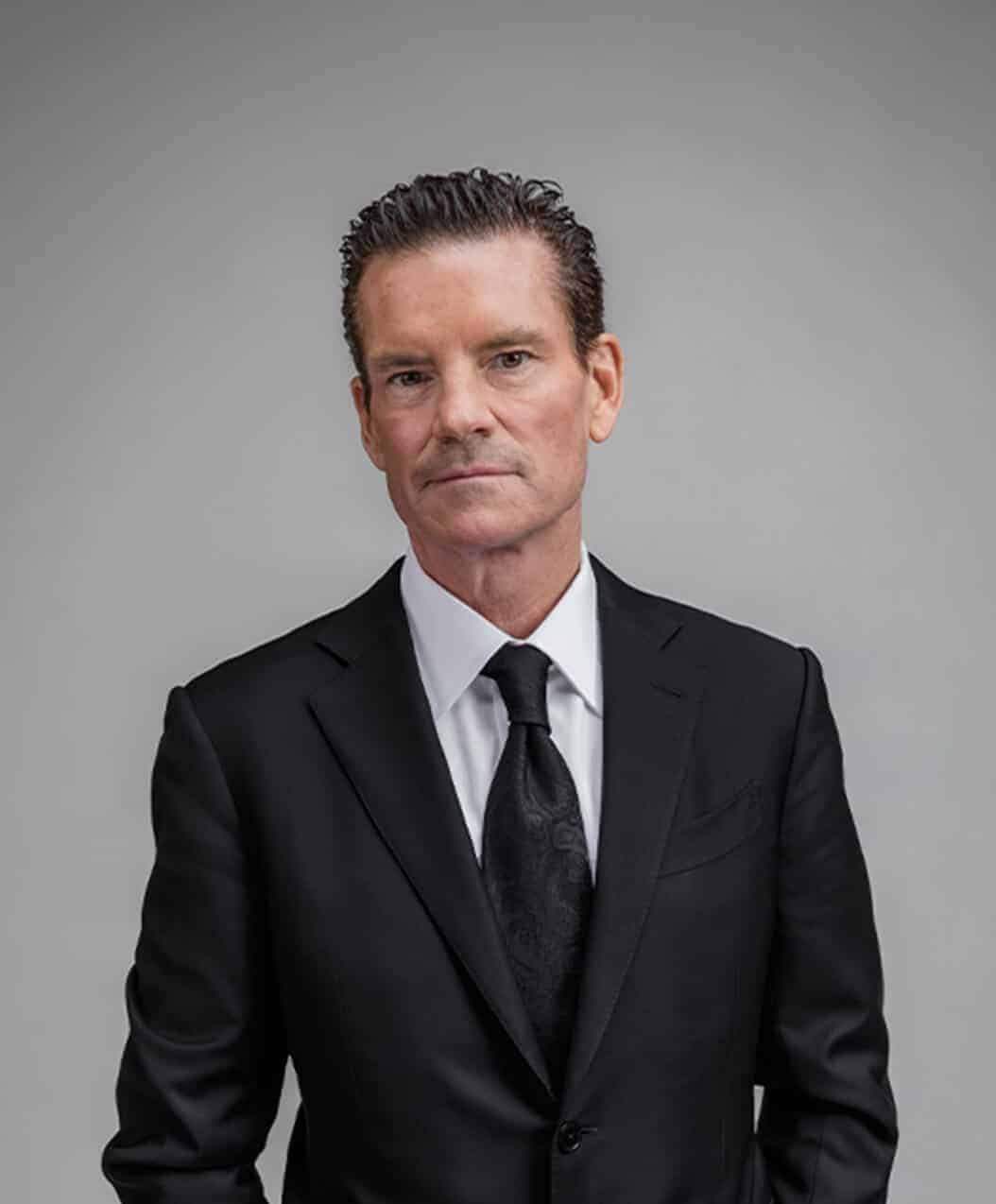
Dr. Stephen Mulholland, Md
Dr. Stephen Mulholland has been practicing plastic surgery for over 20 years. He is one of Canada’s most renowned and best plastic surgeons in Toronto with his wealth of experience, artistry, and humbleness towards his patients.
View Dr. Mulholland’s Profile View Dr. Mulholland’s Wikipedia