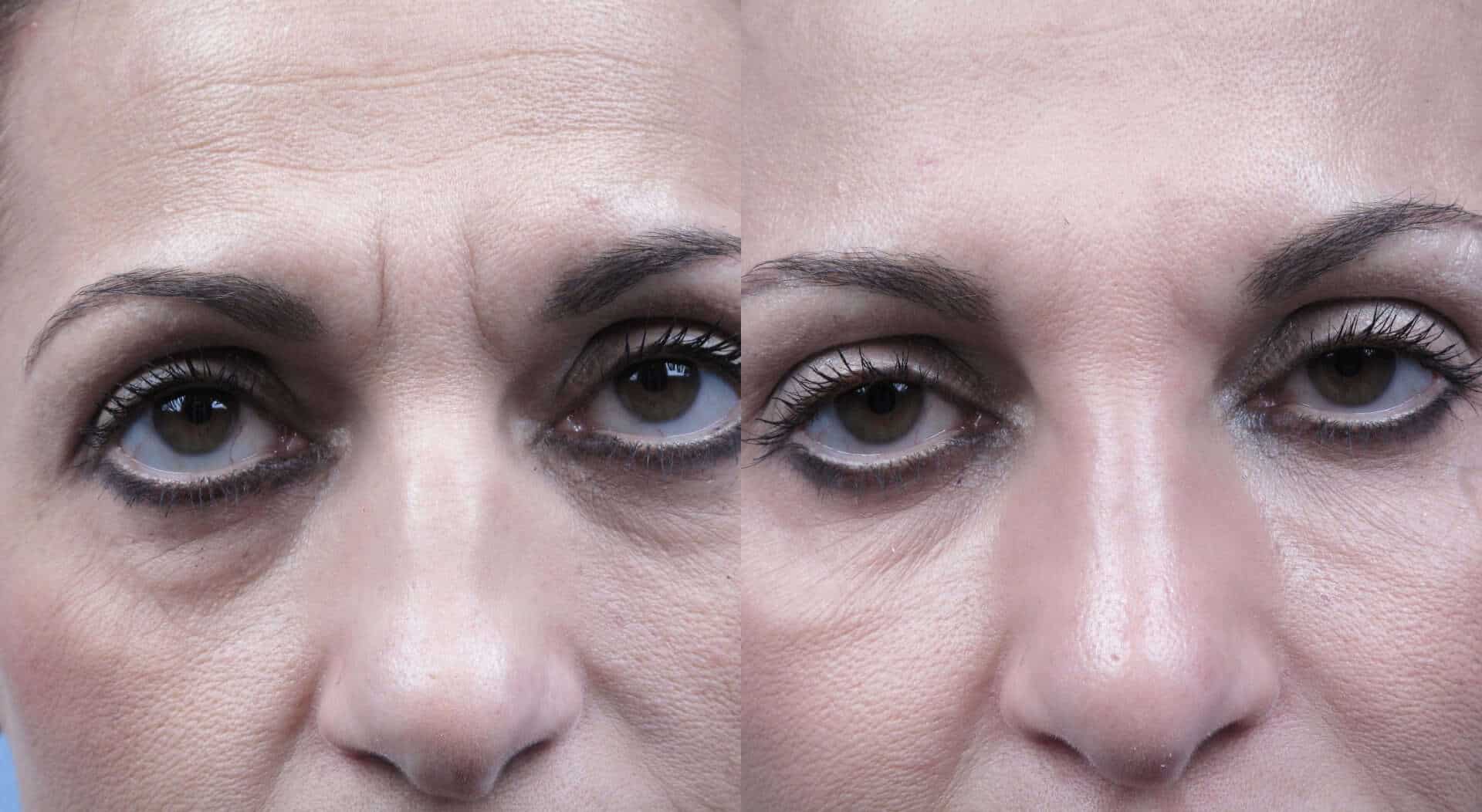
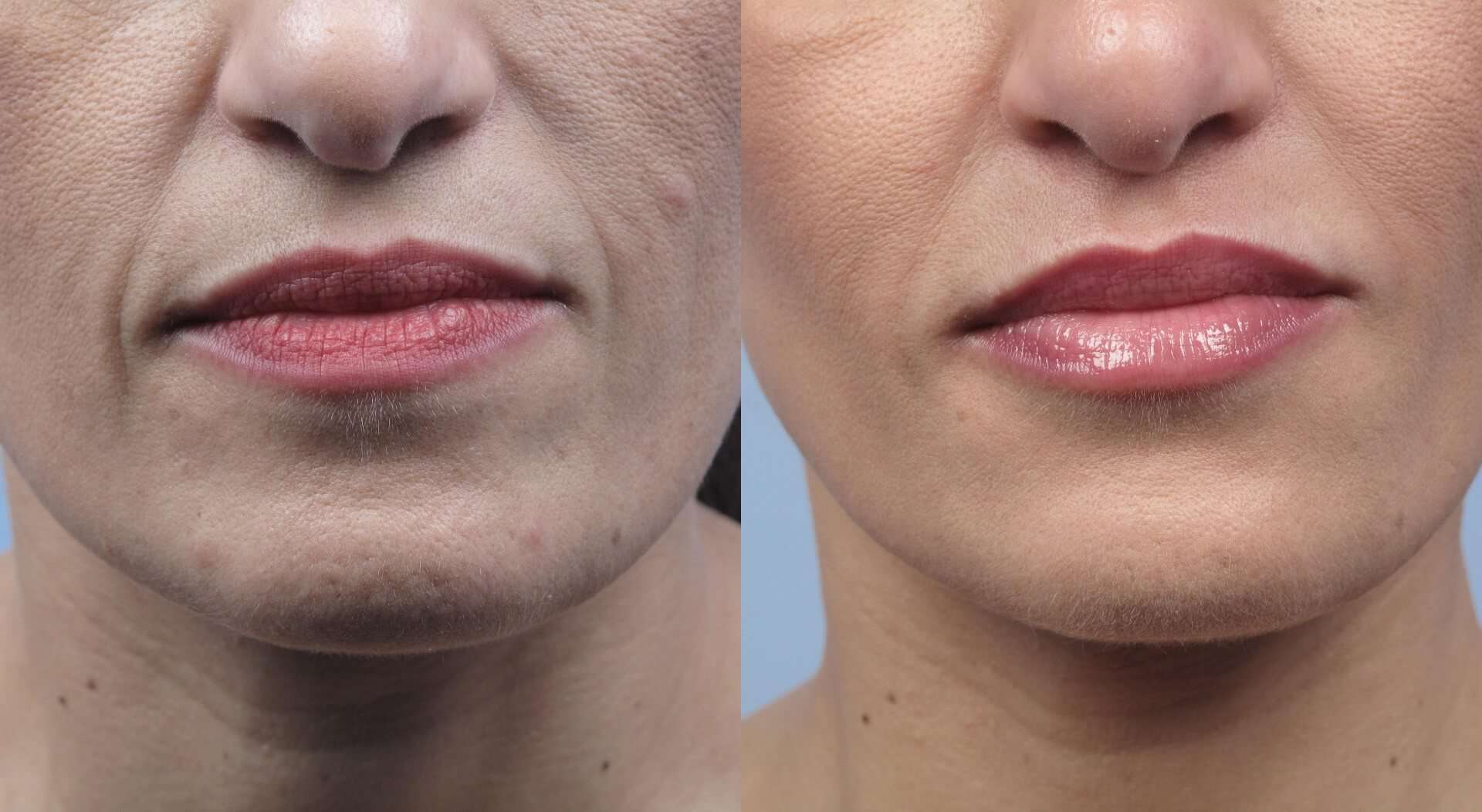
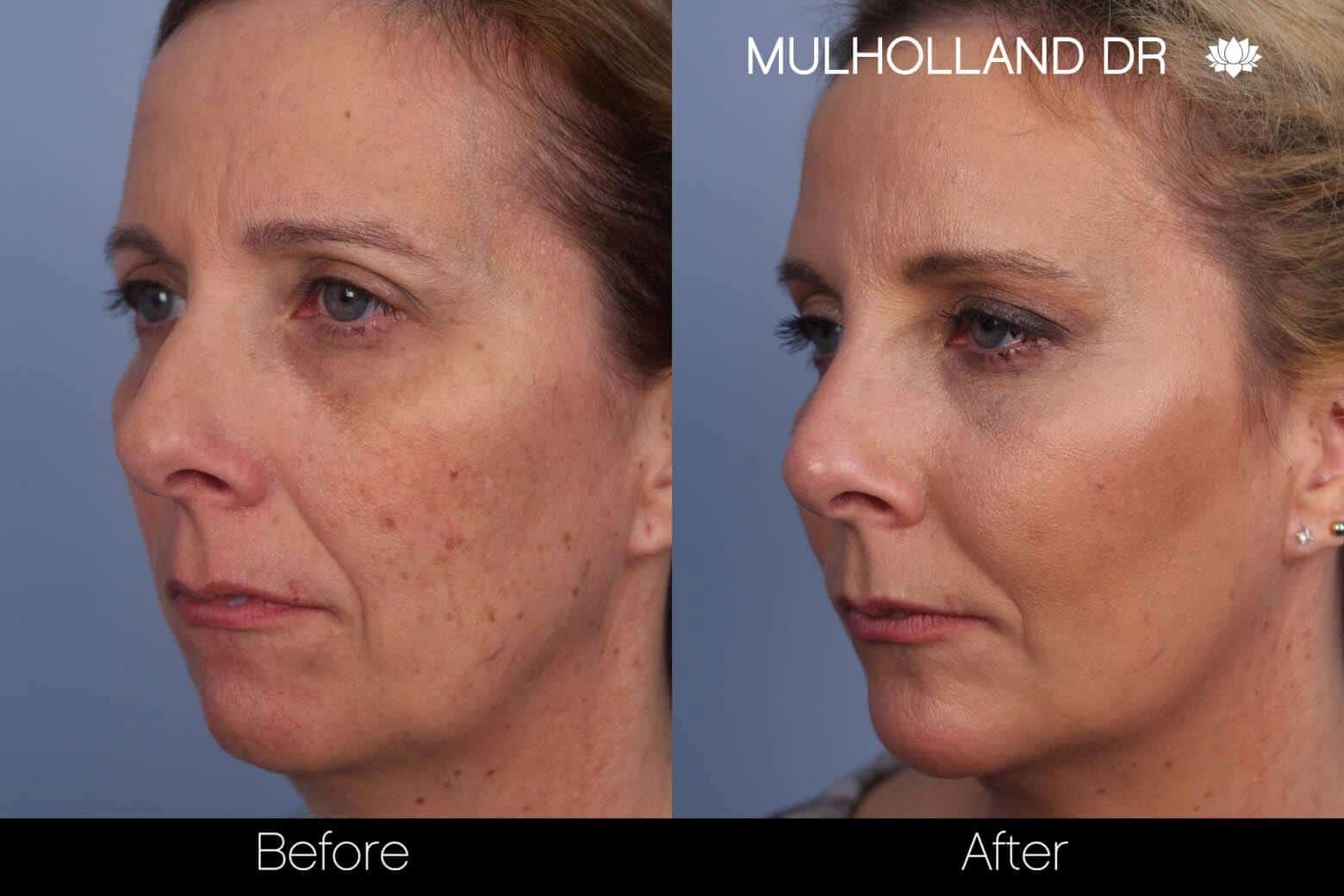
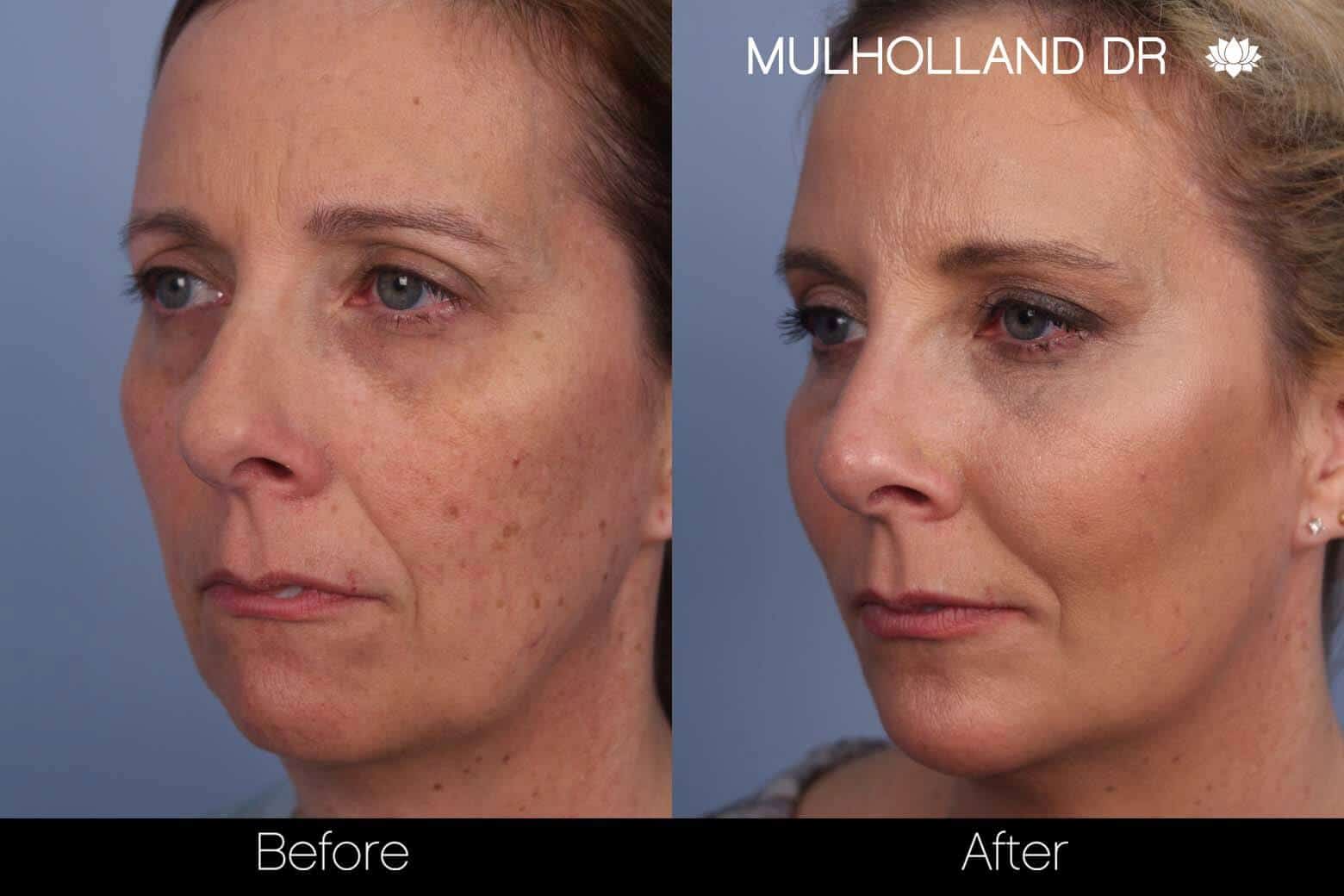
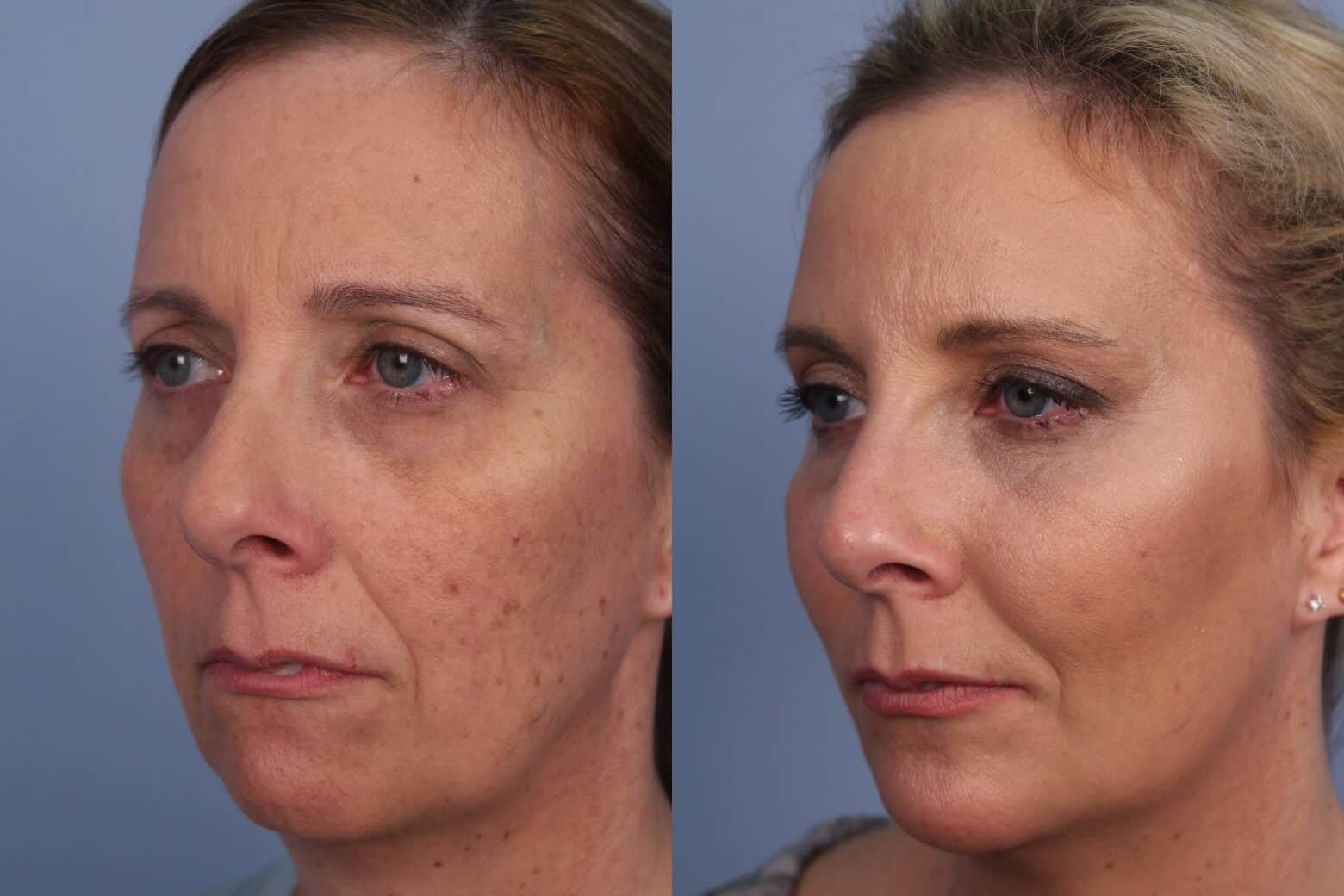
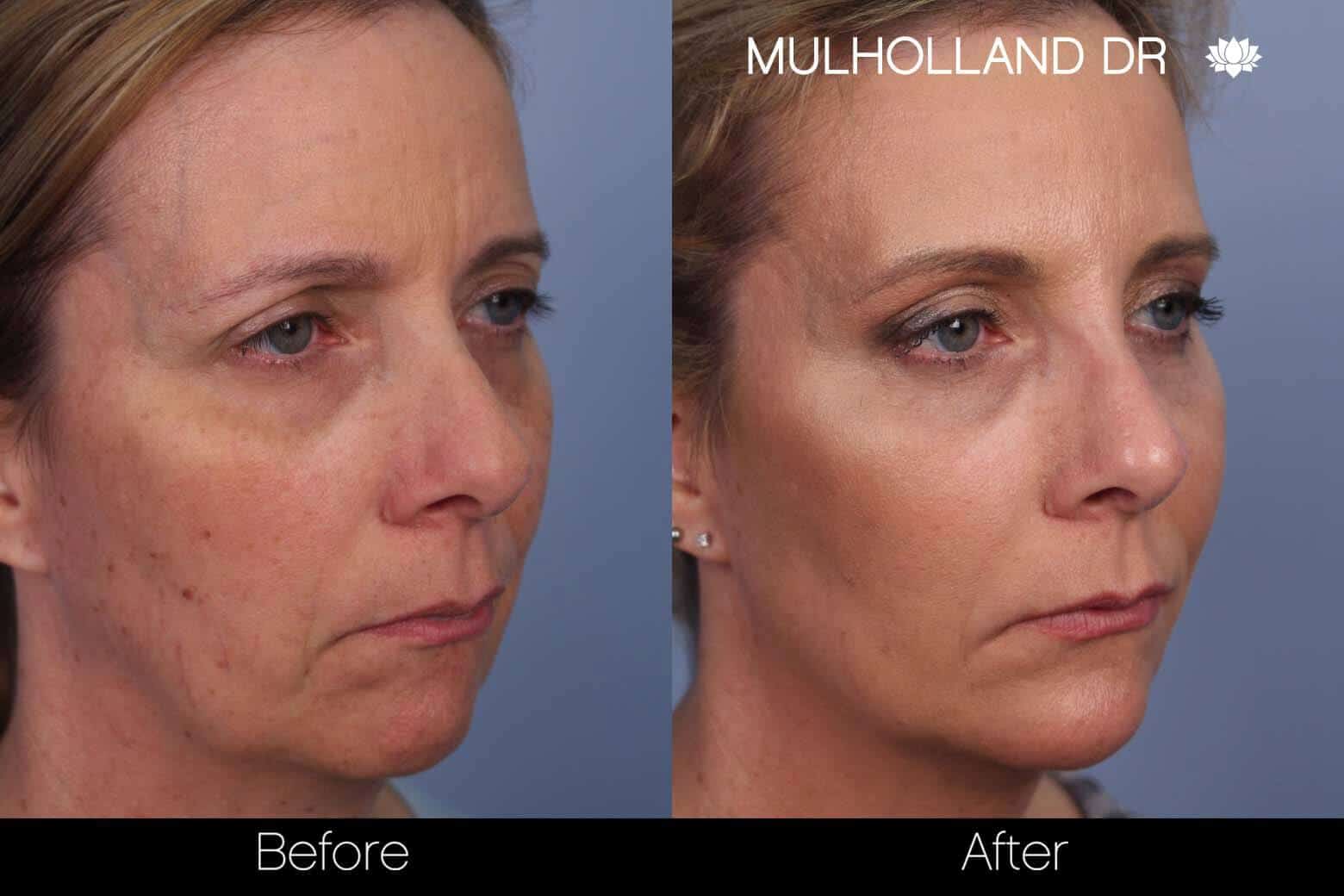
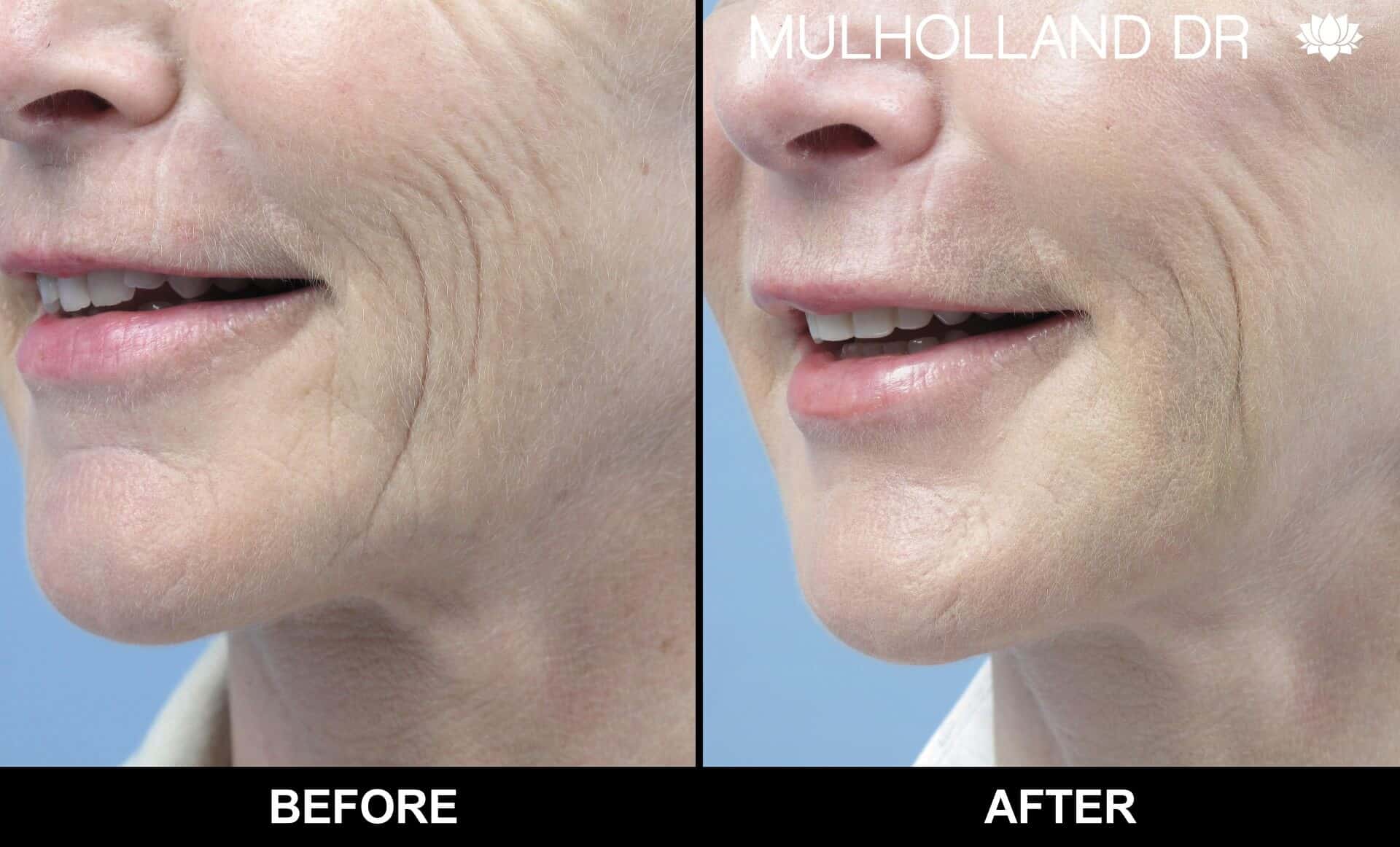
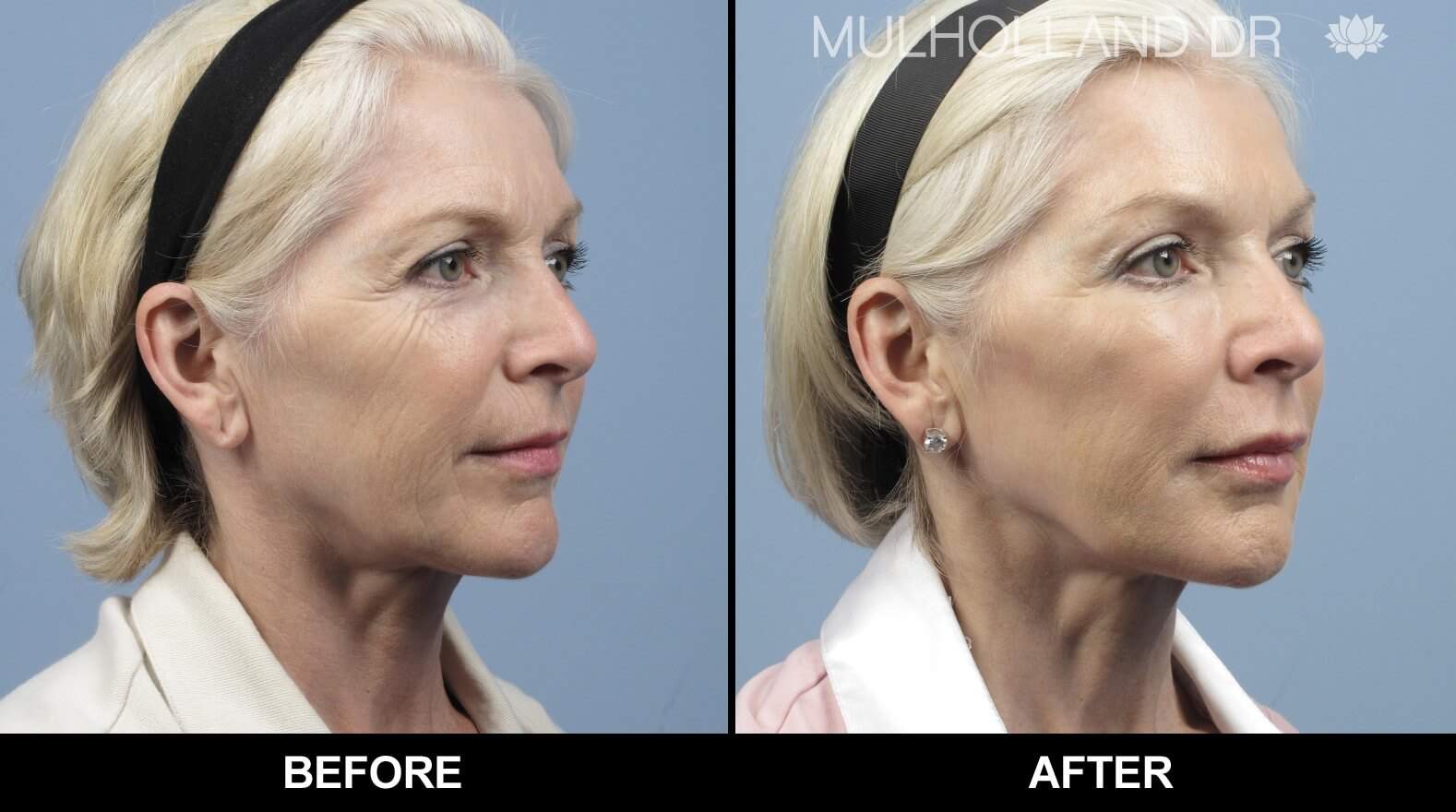
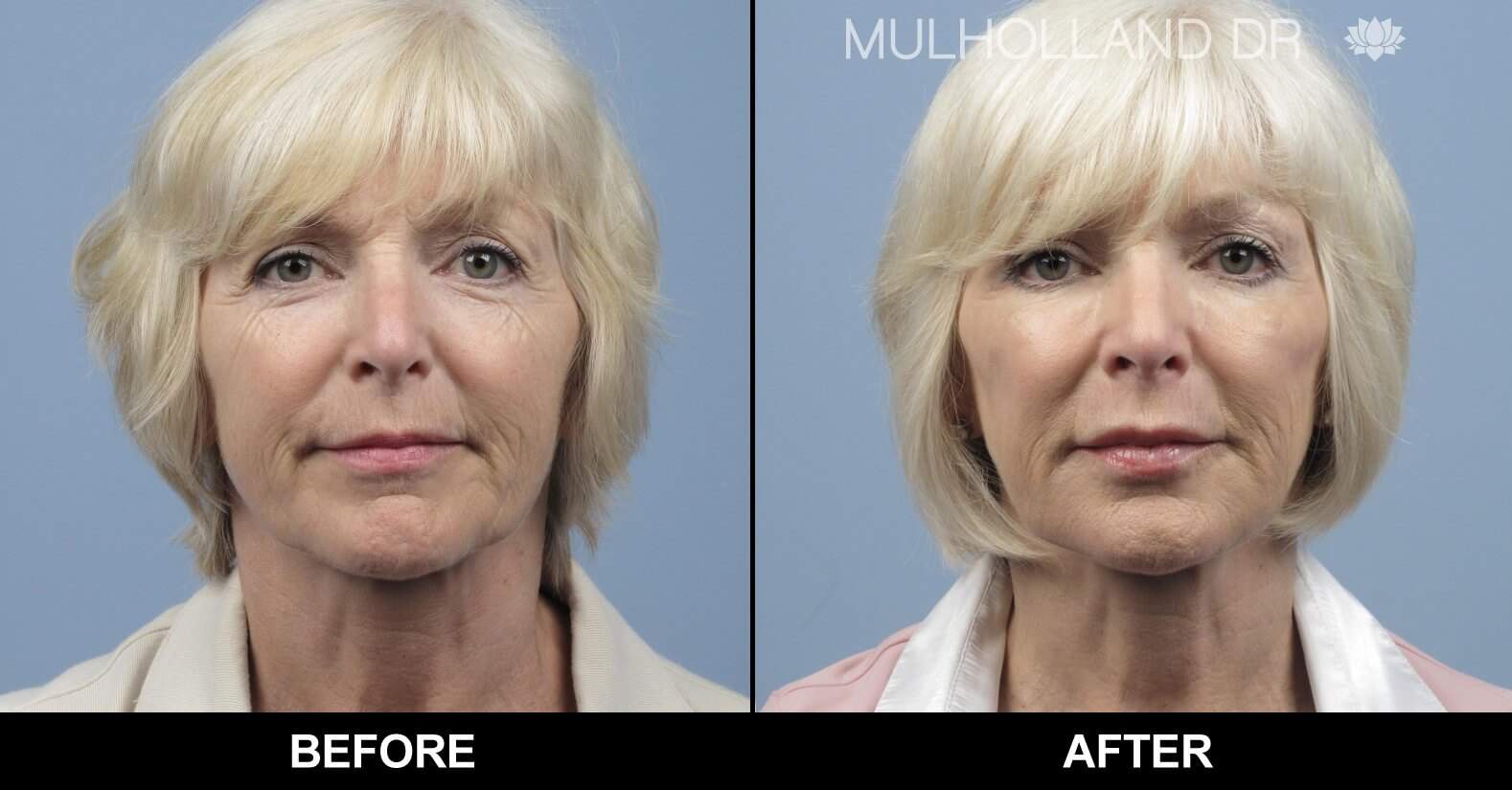
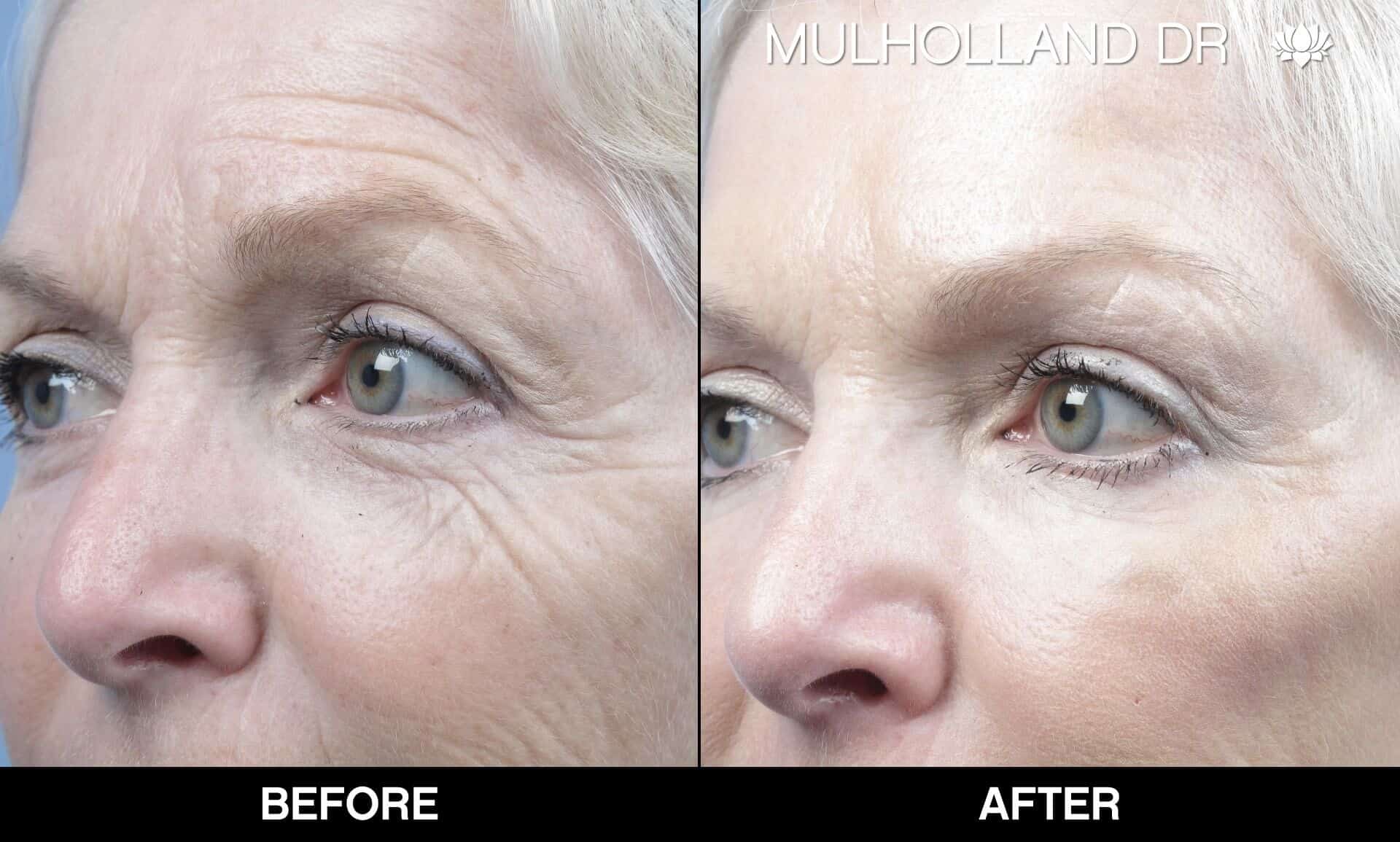
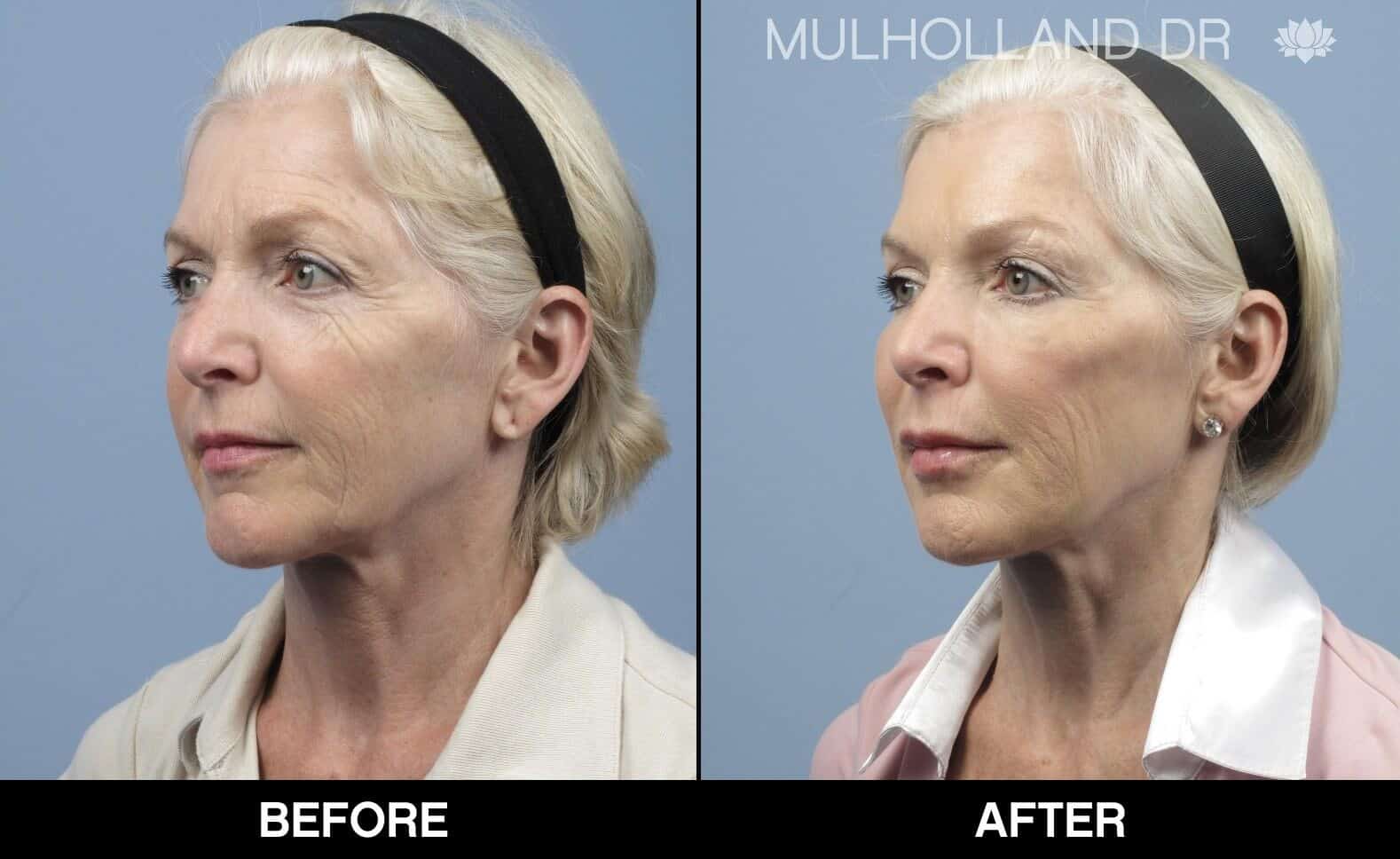
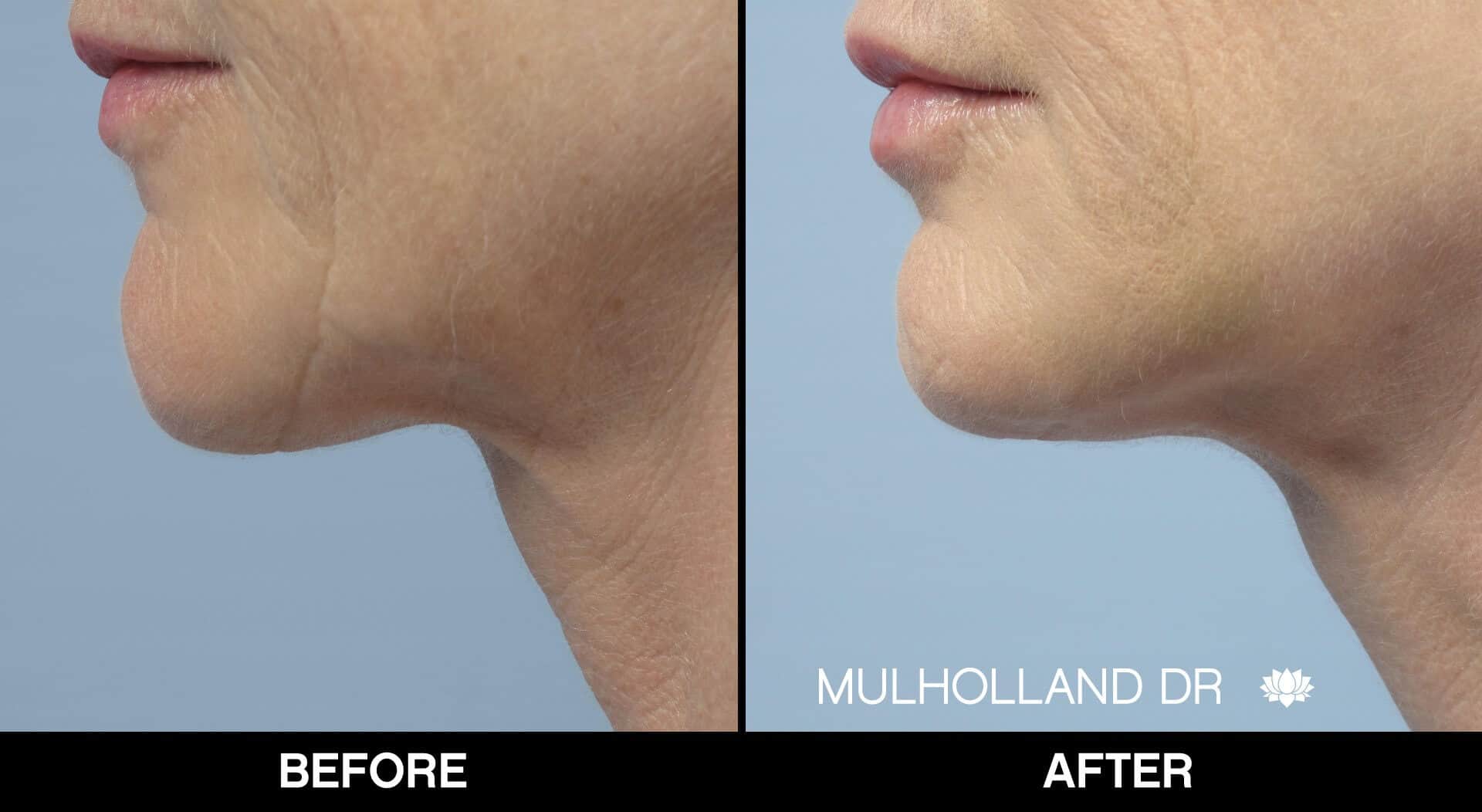
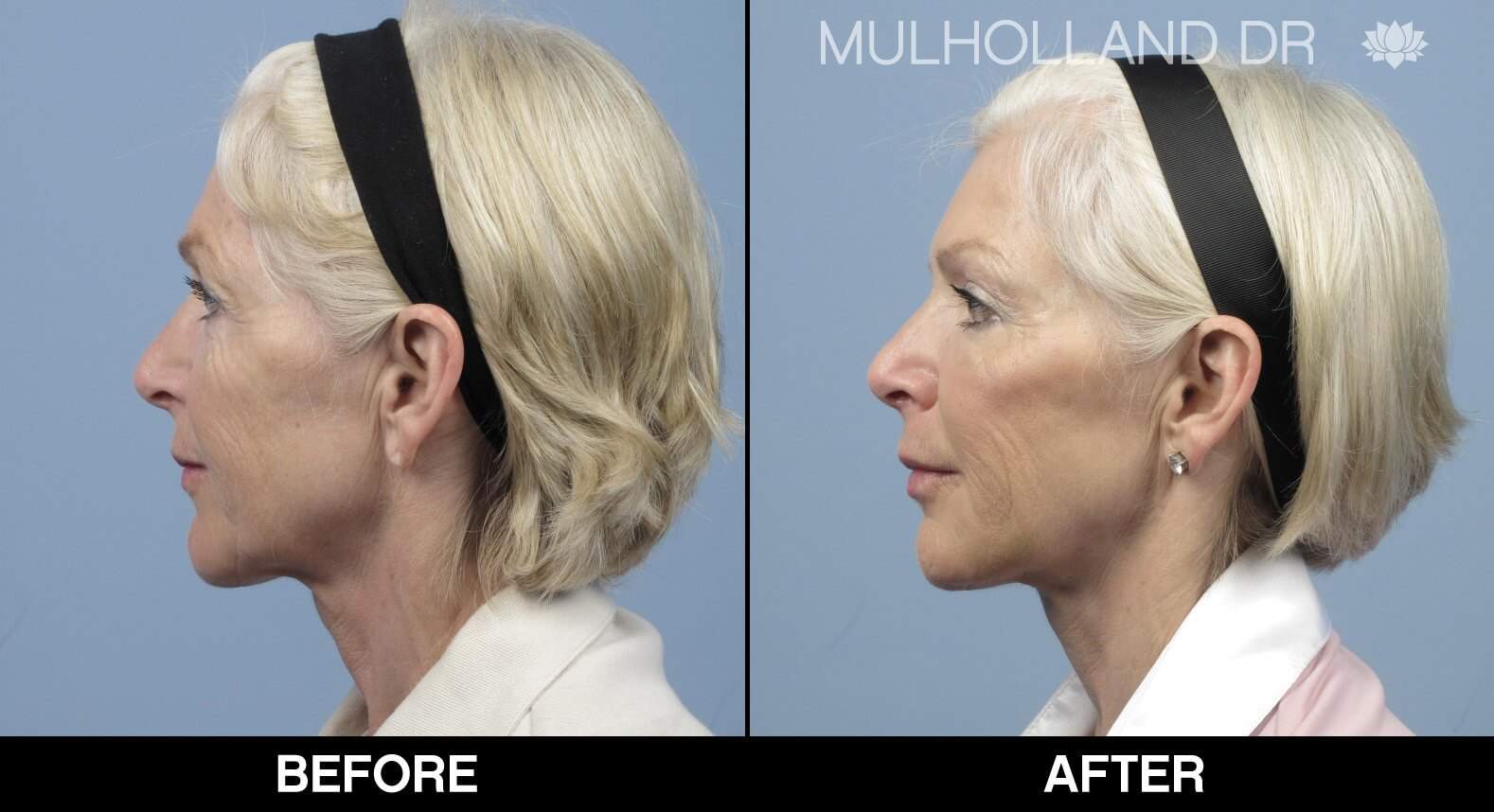
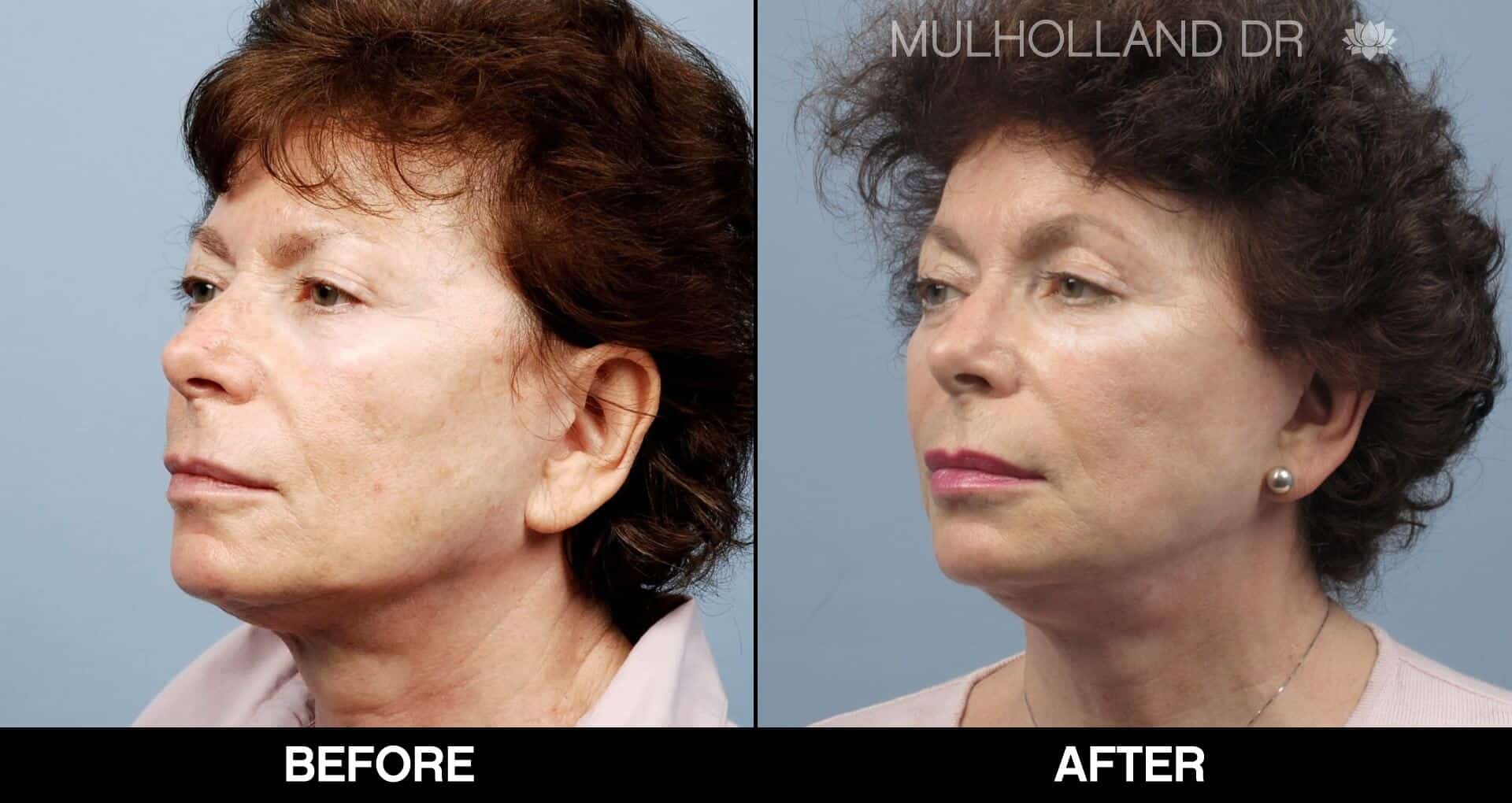
Fractional Erbium Laser Before & After Photos
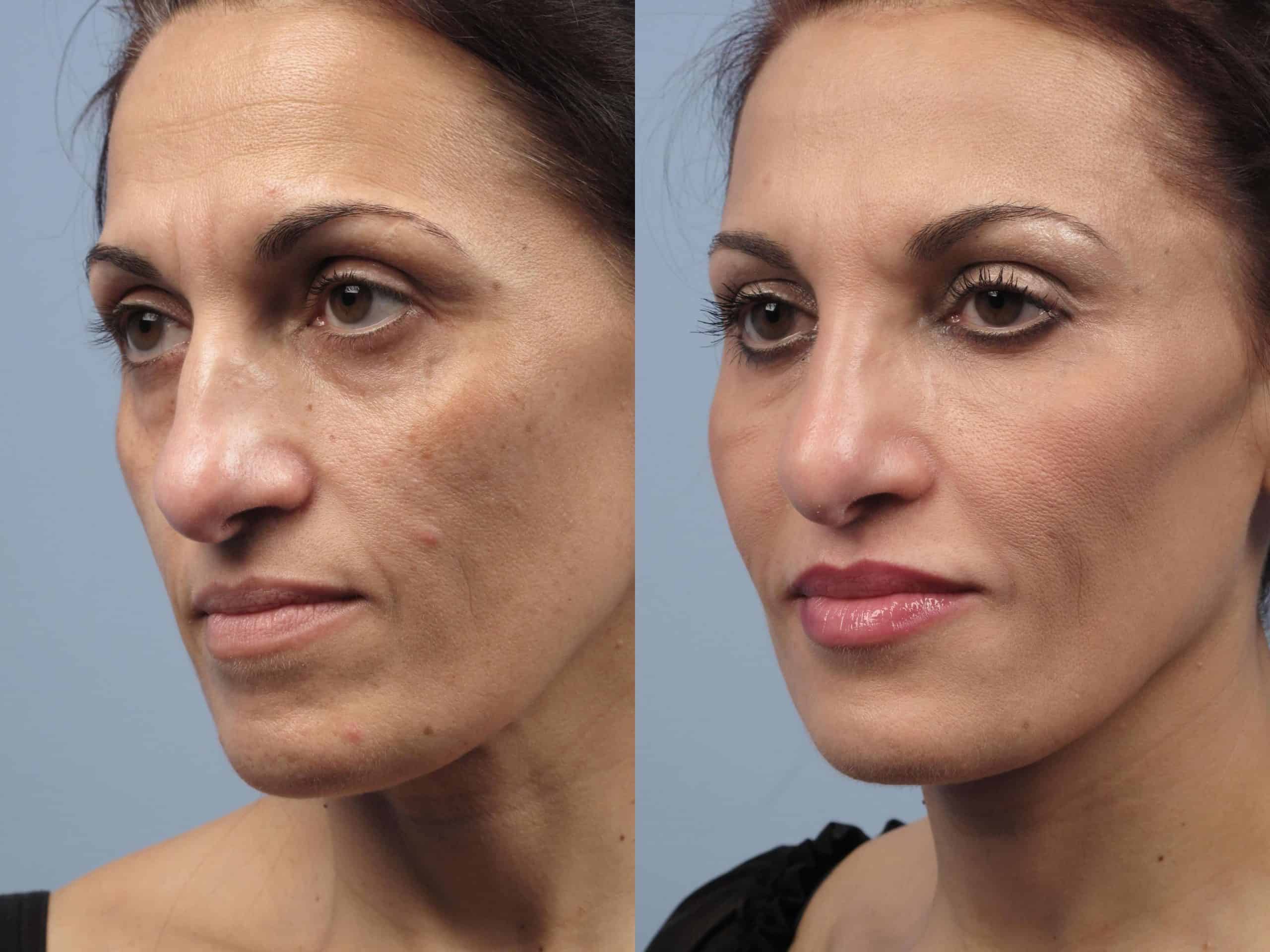
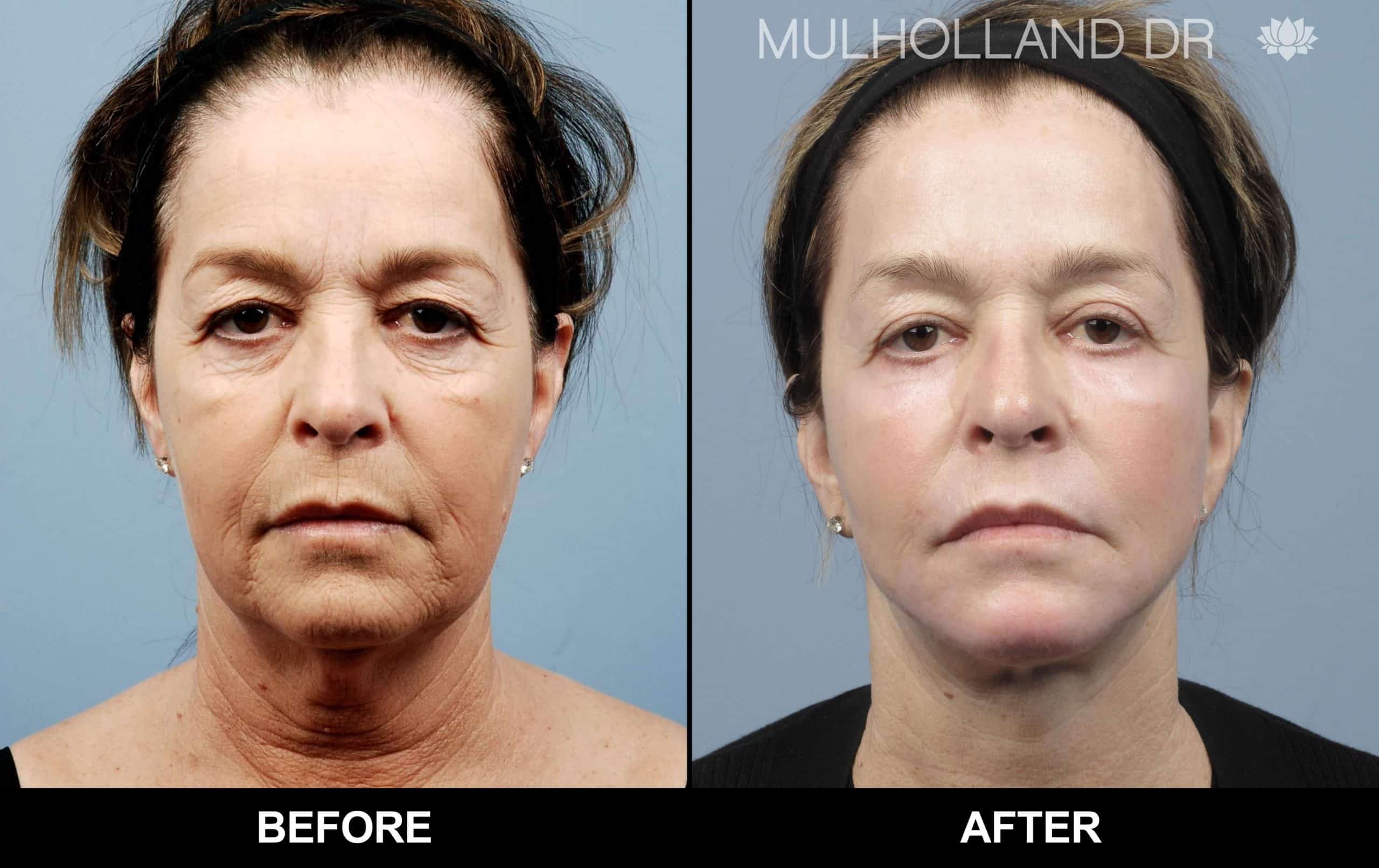
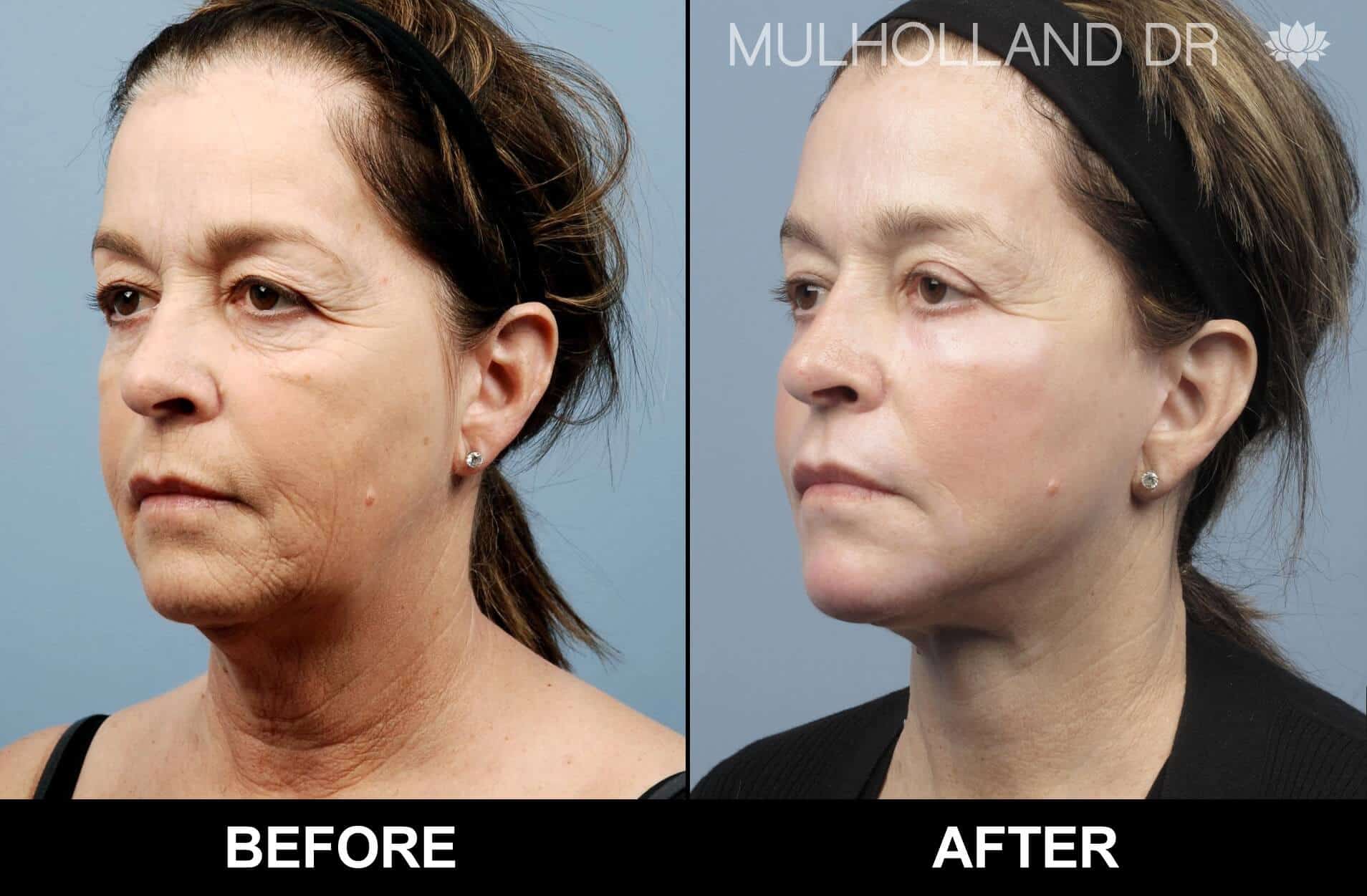
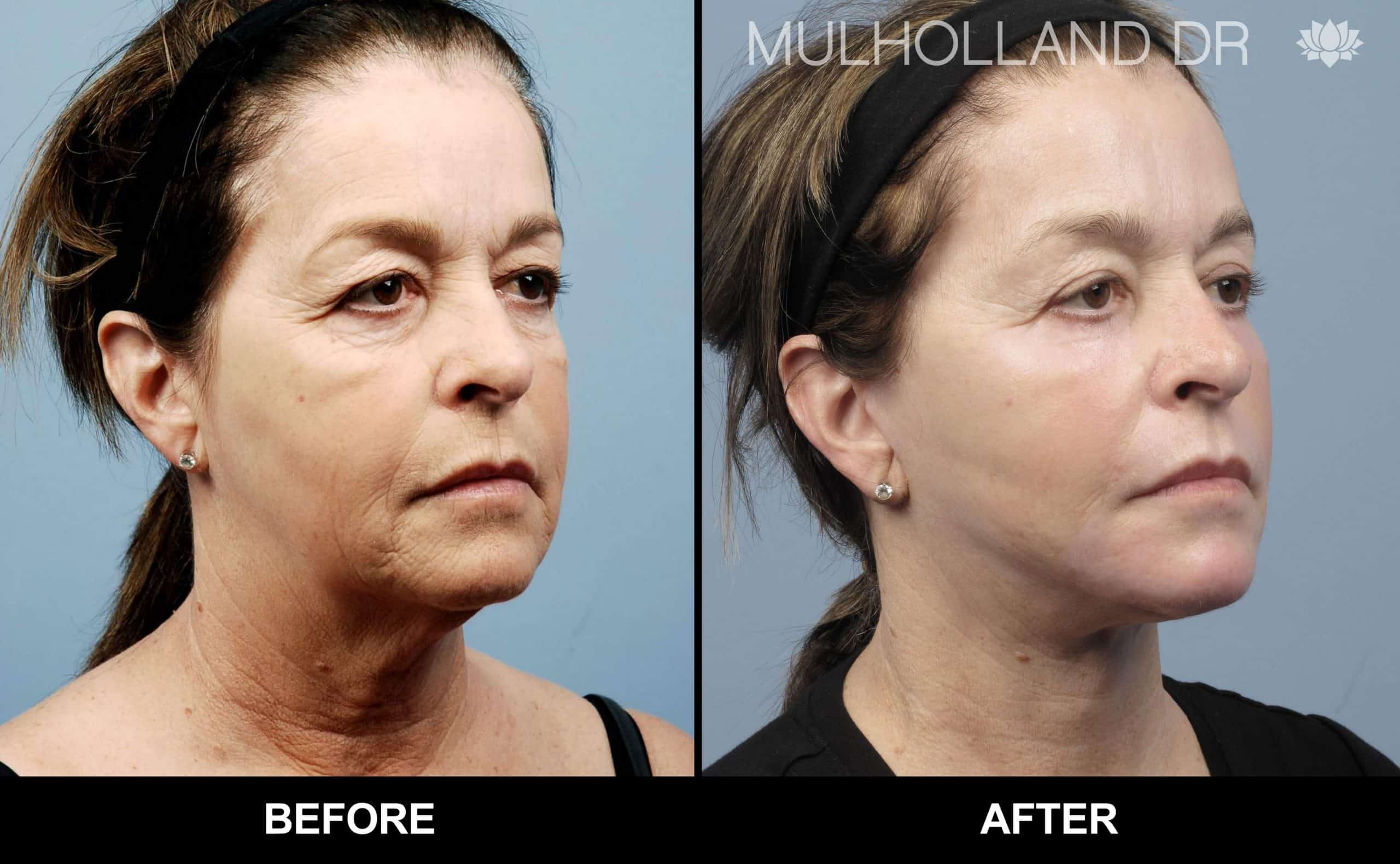
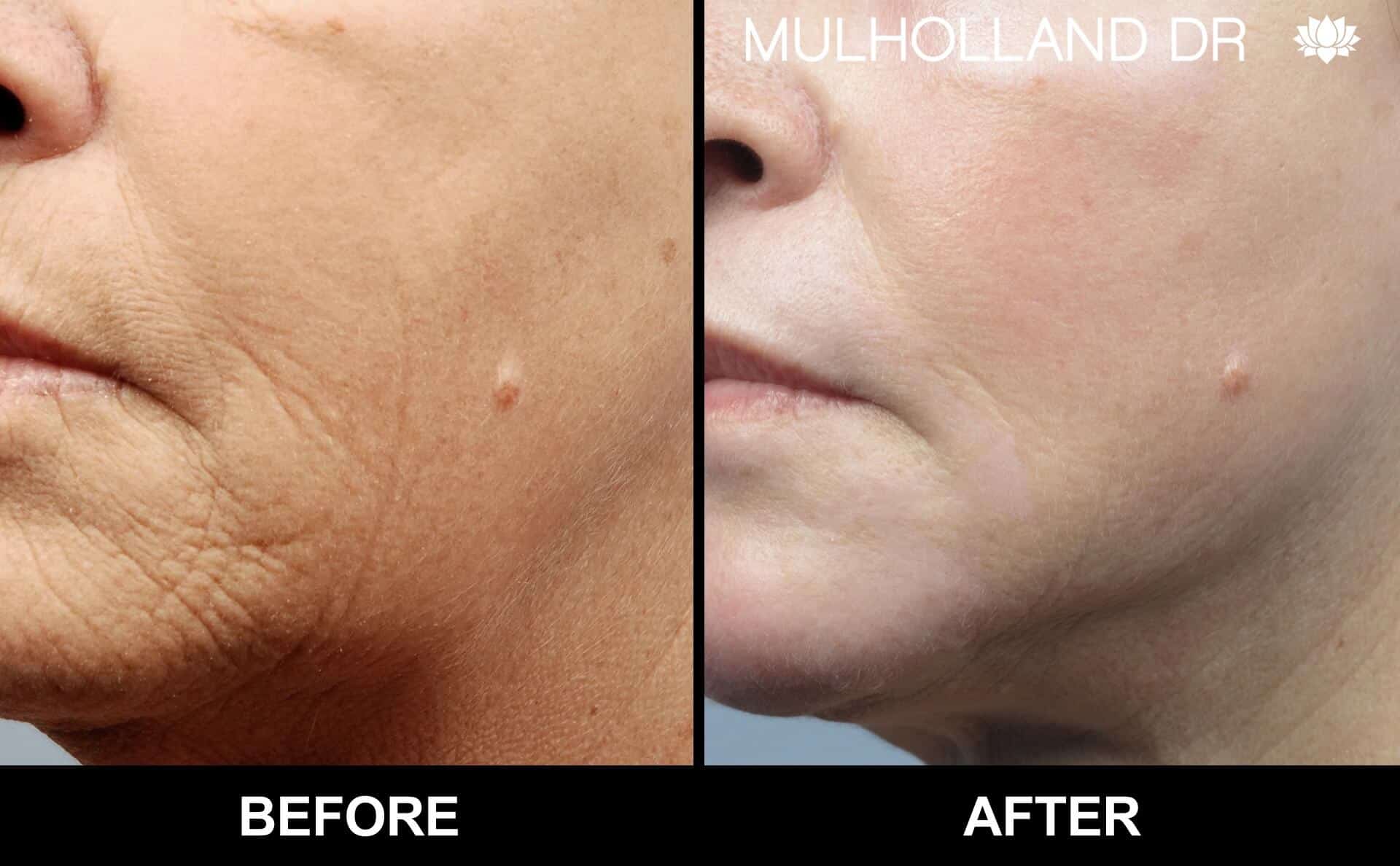
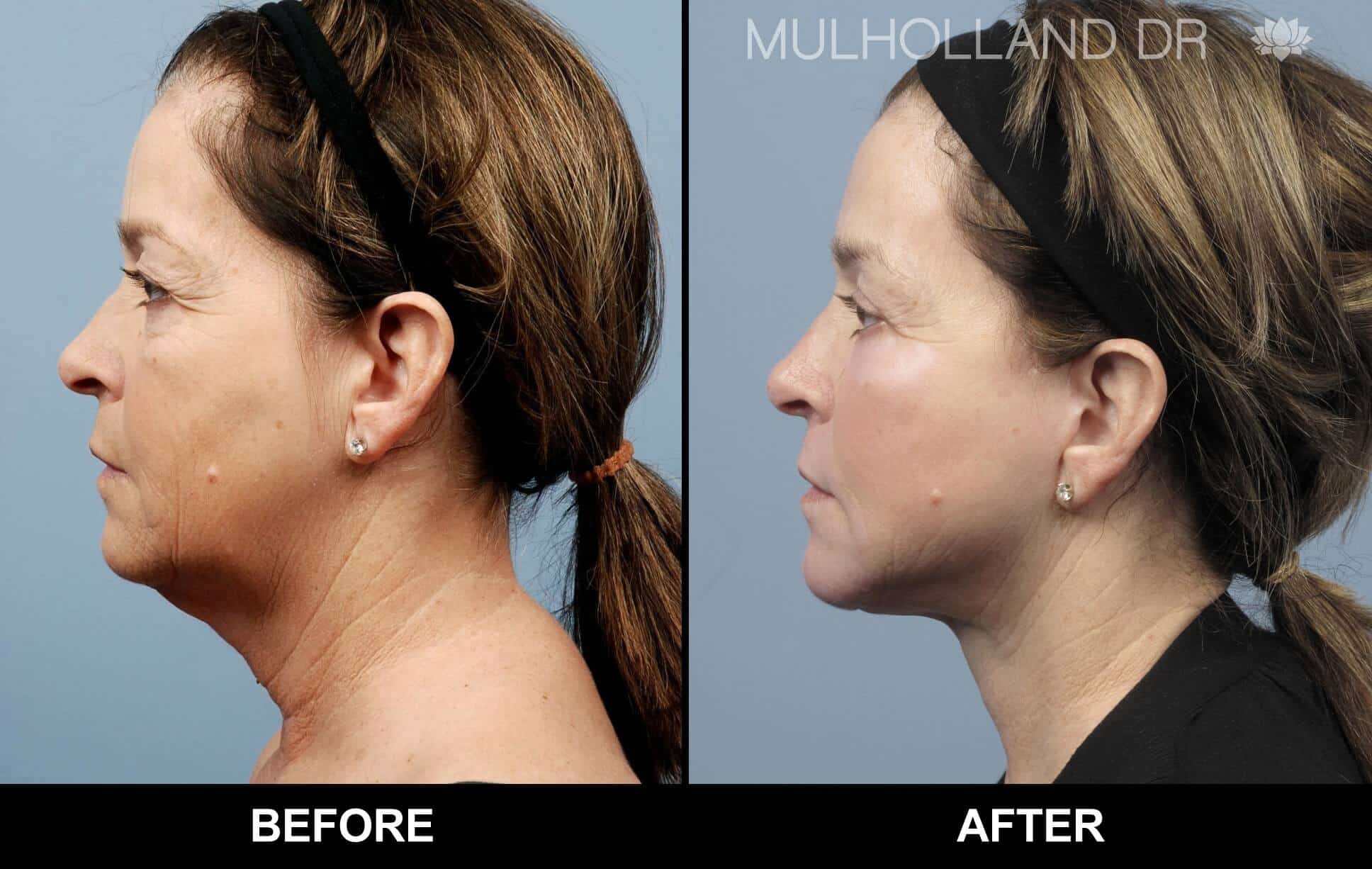
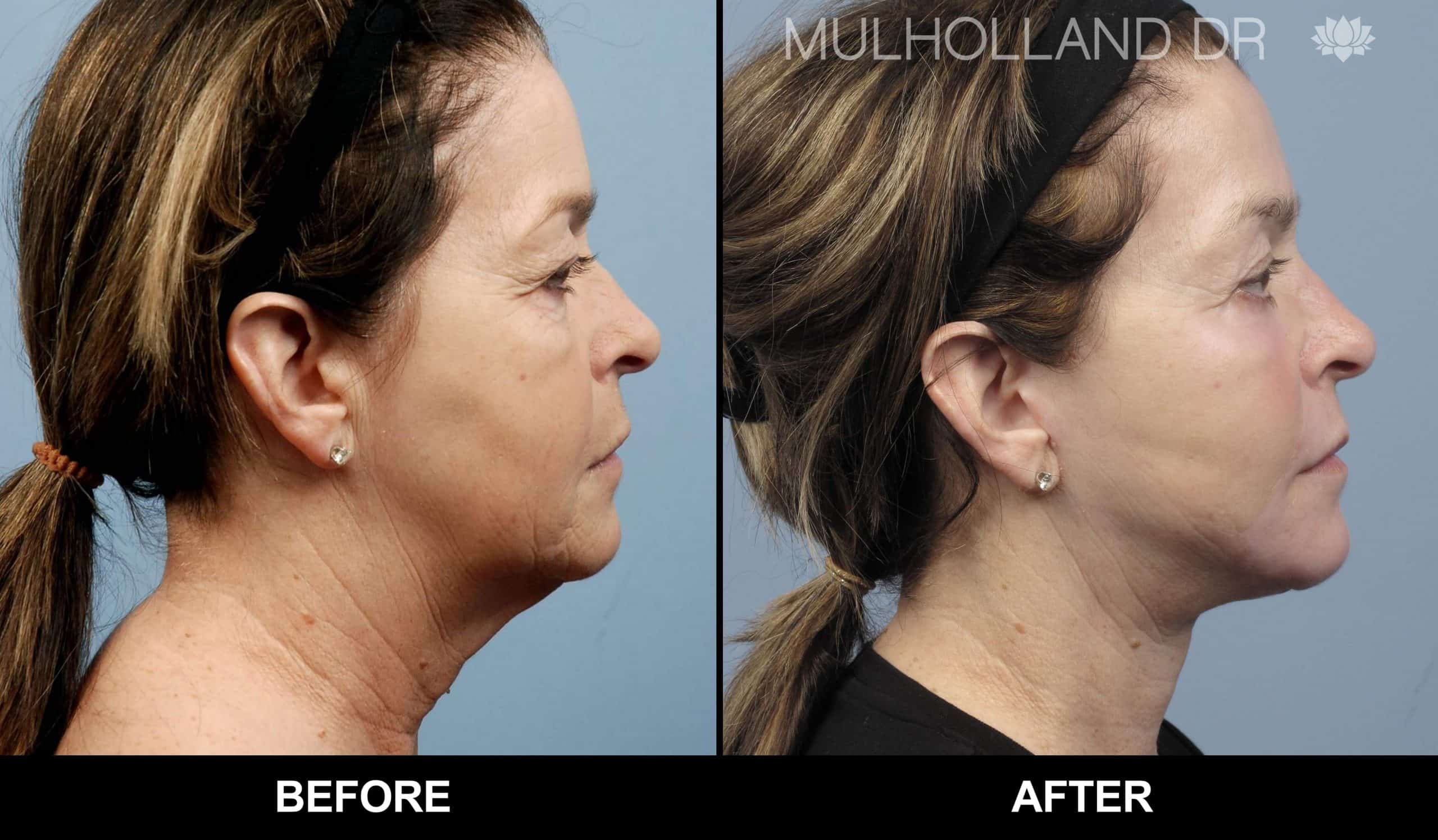
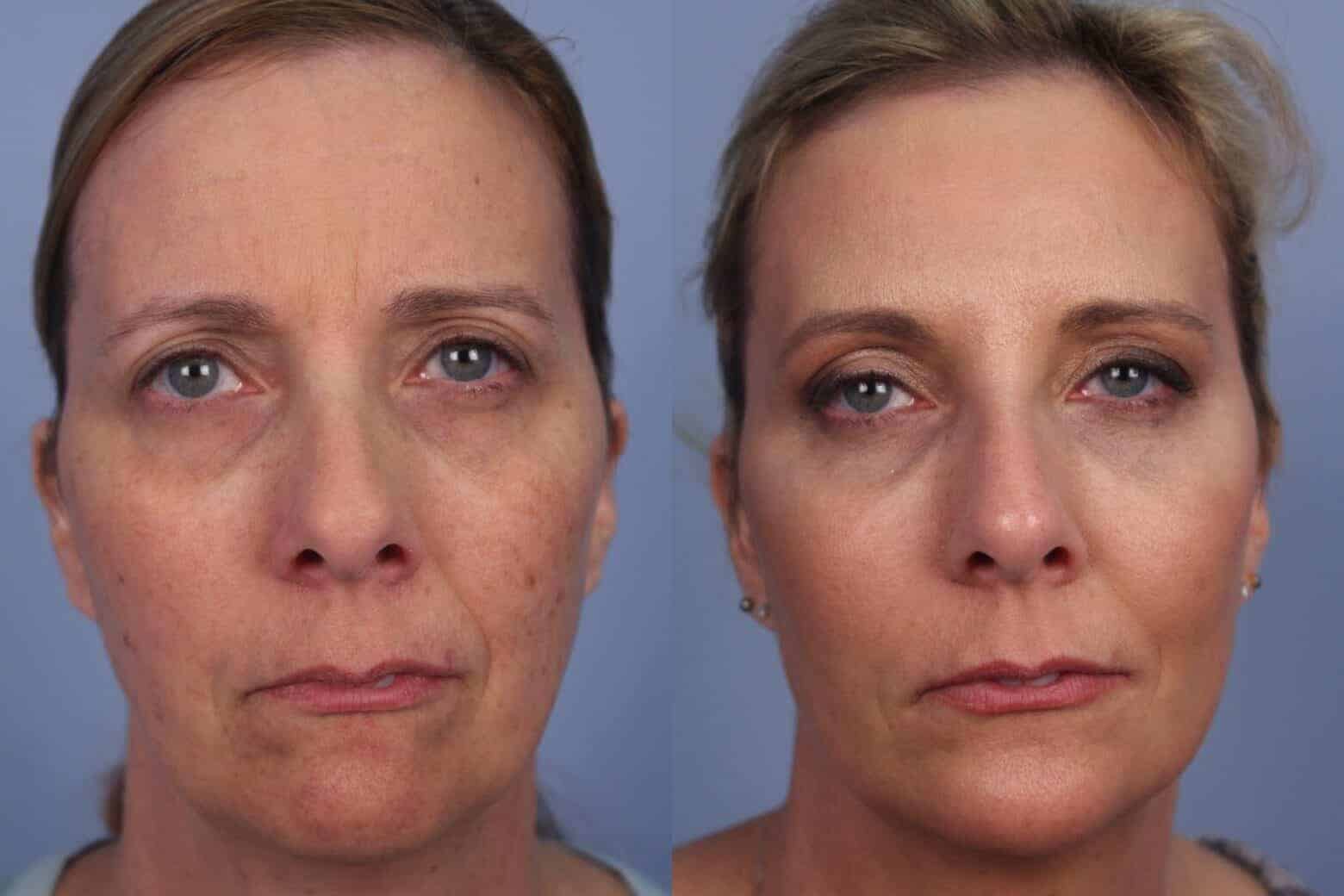
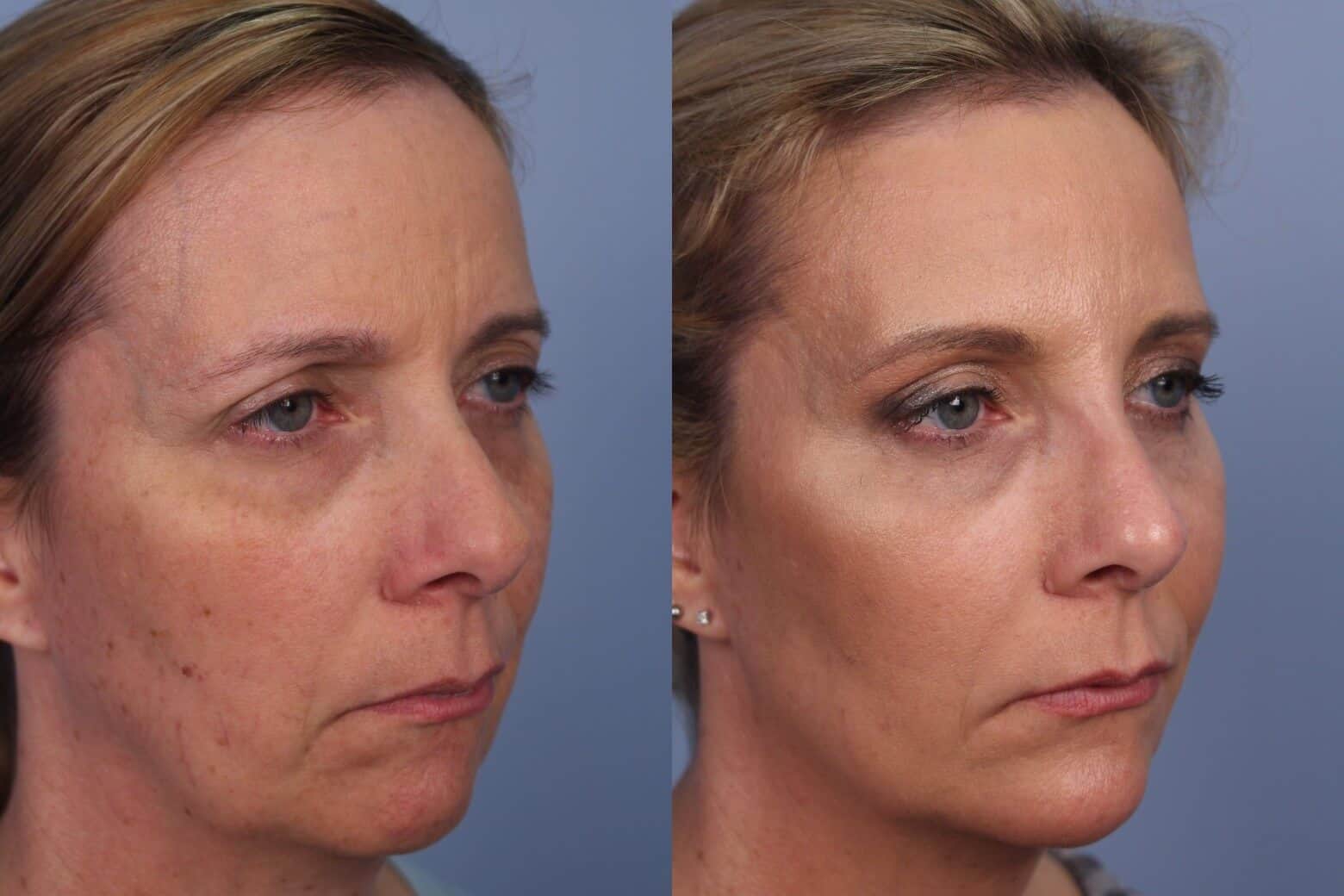

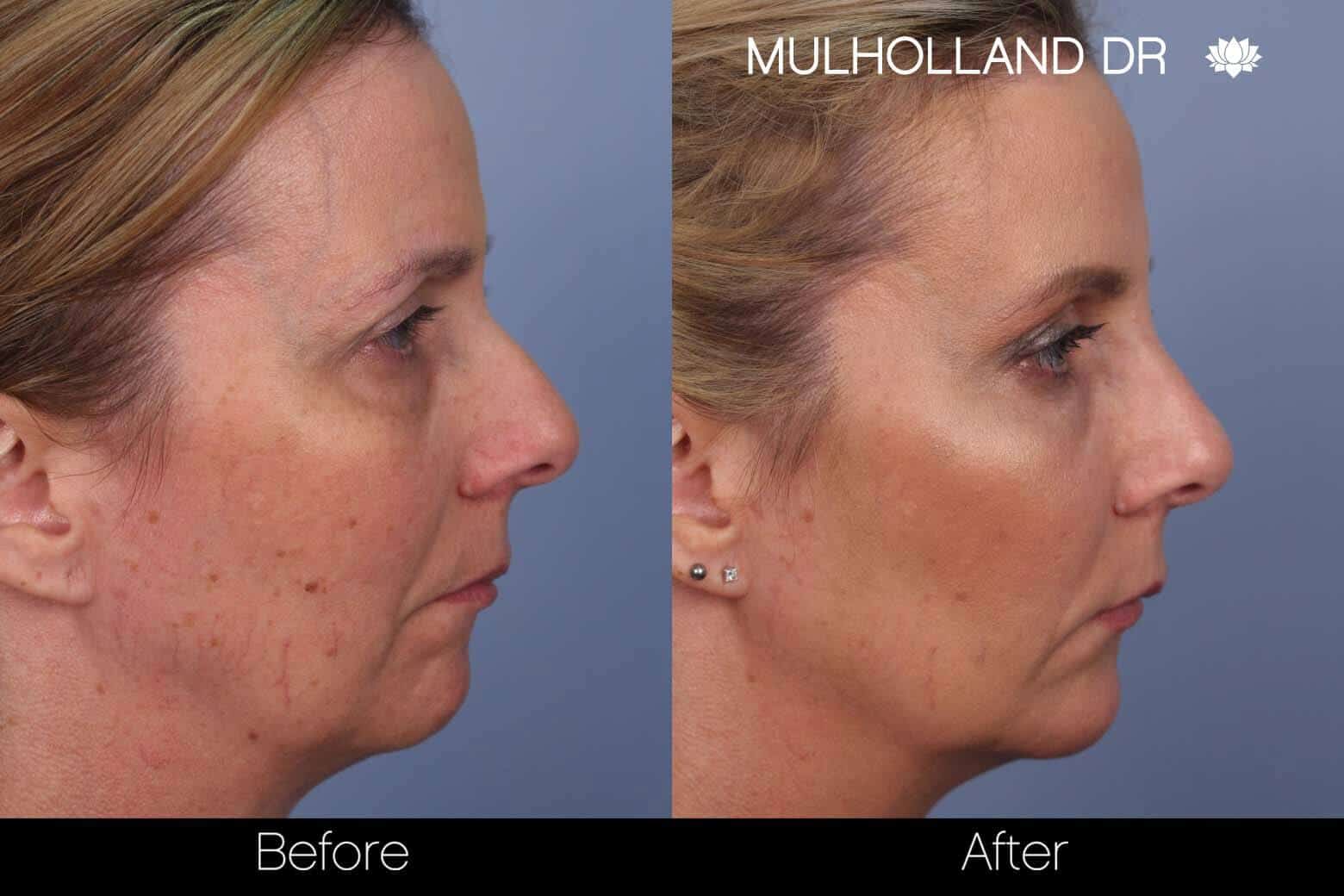
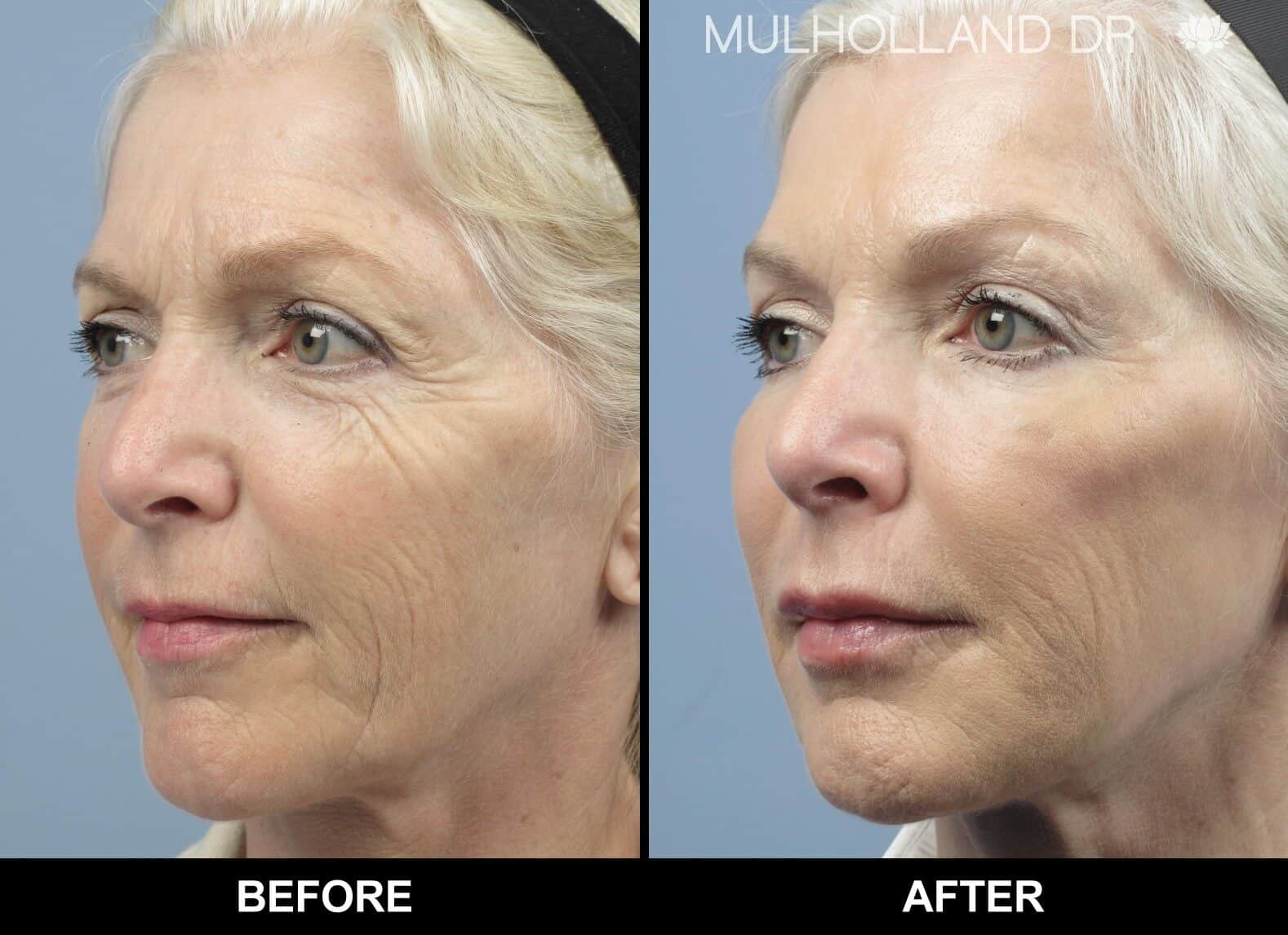
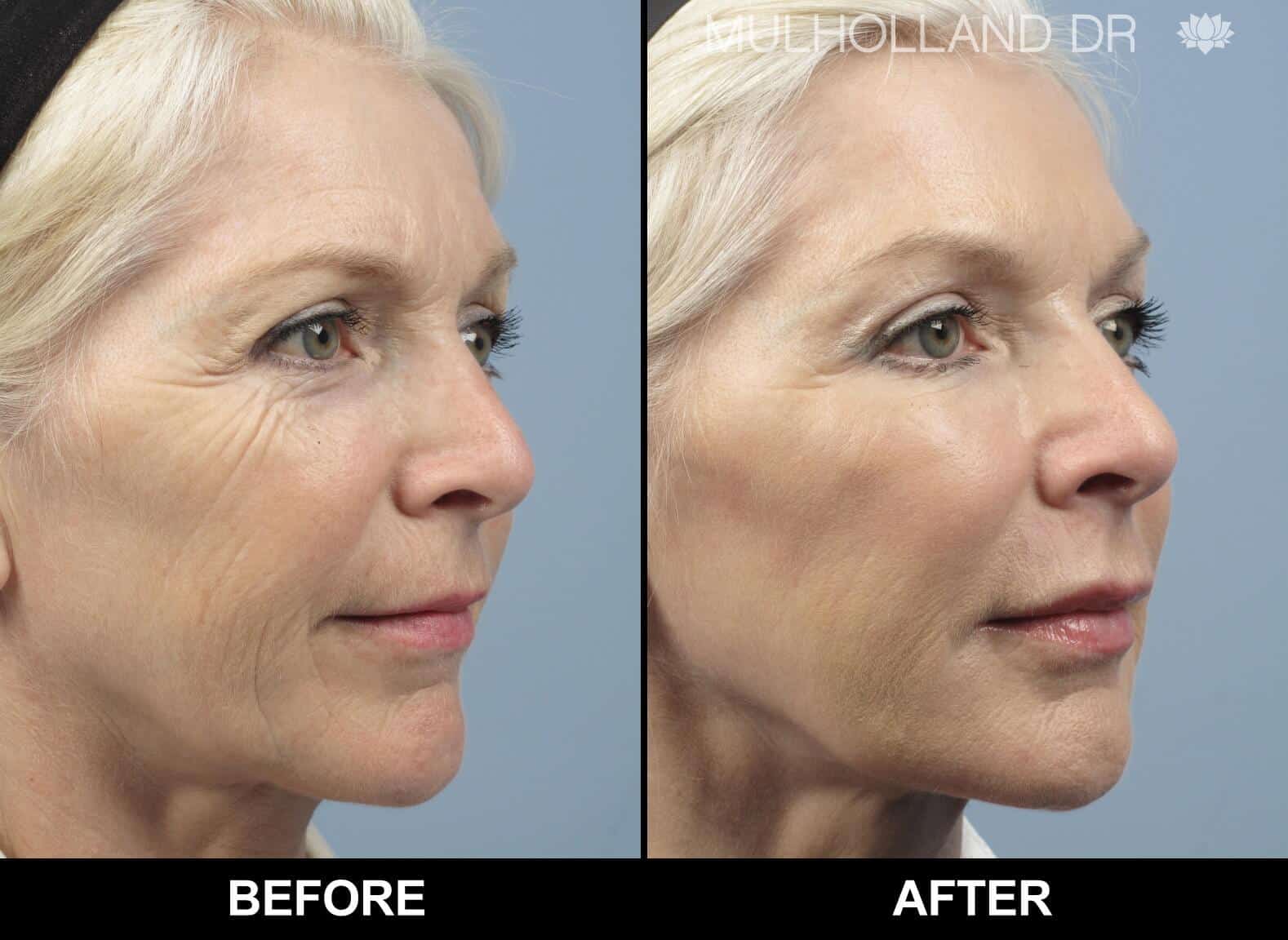
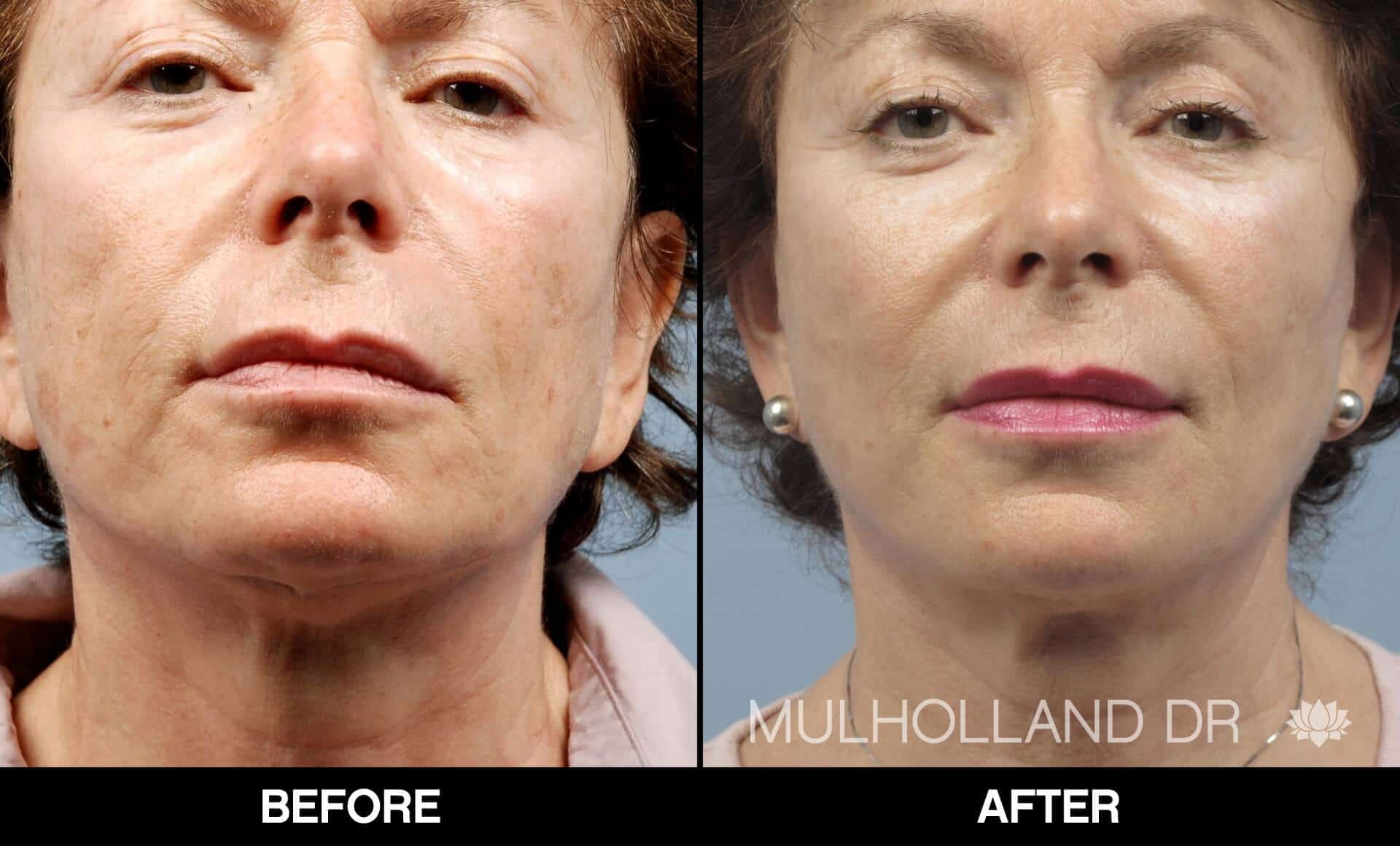
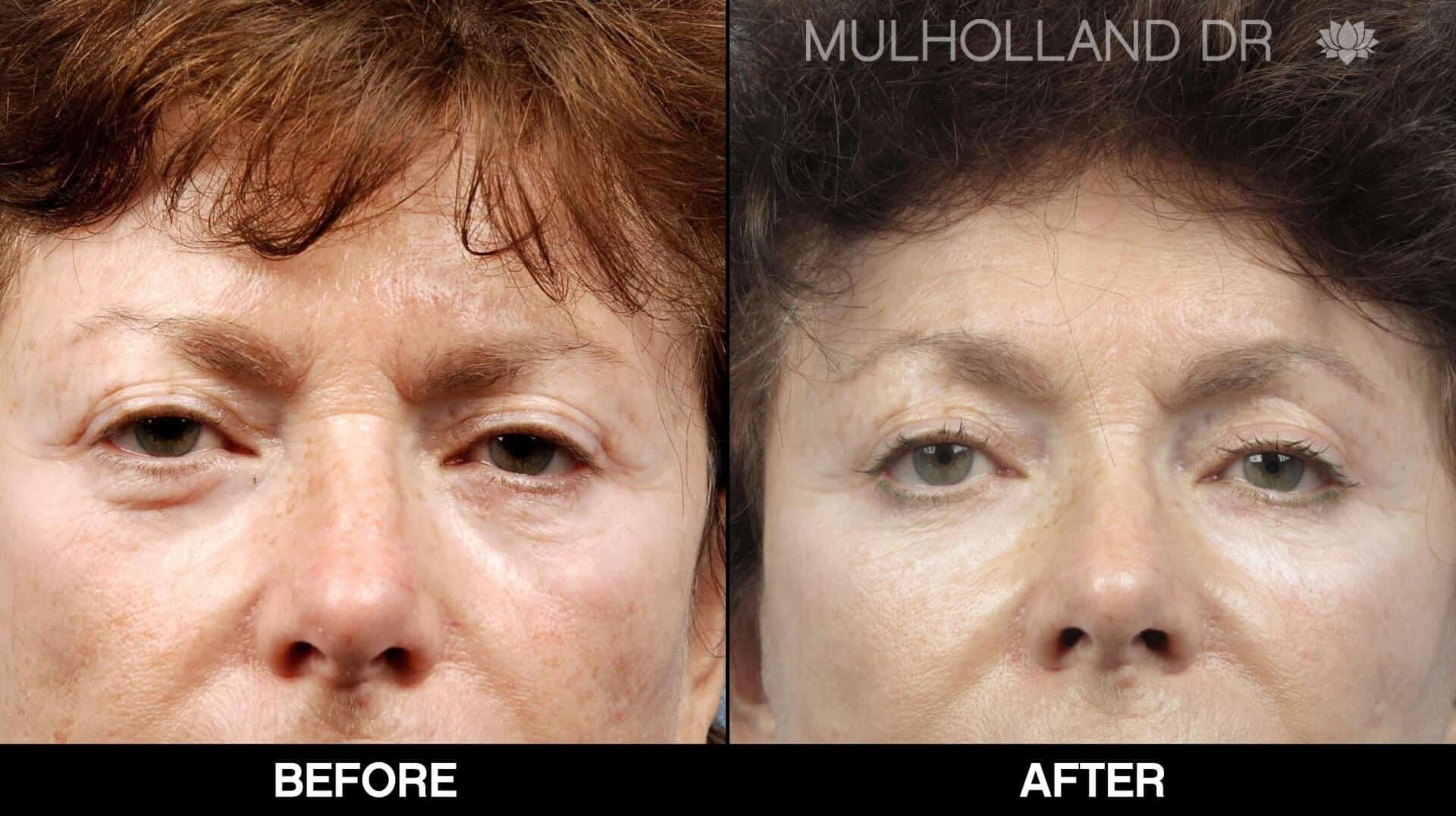
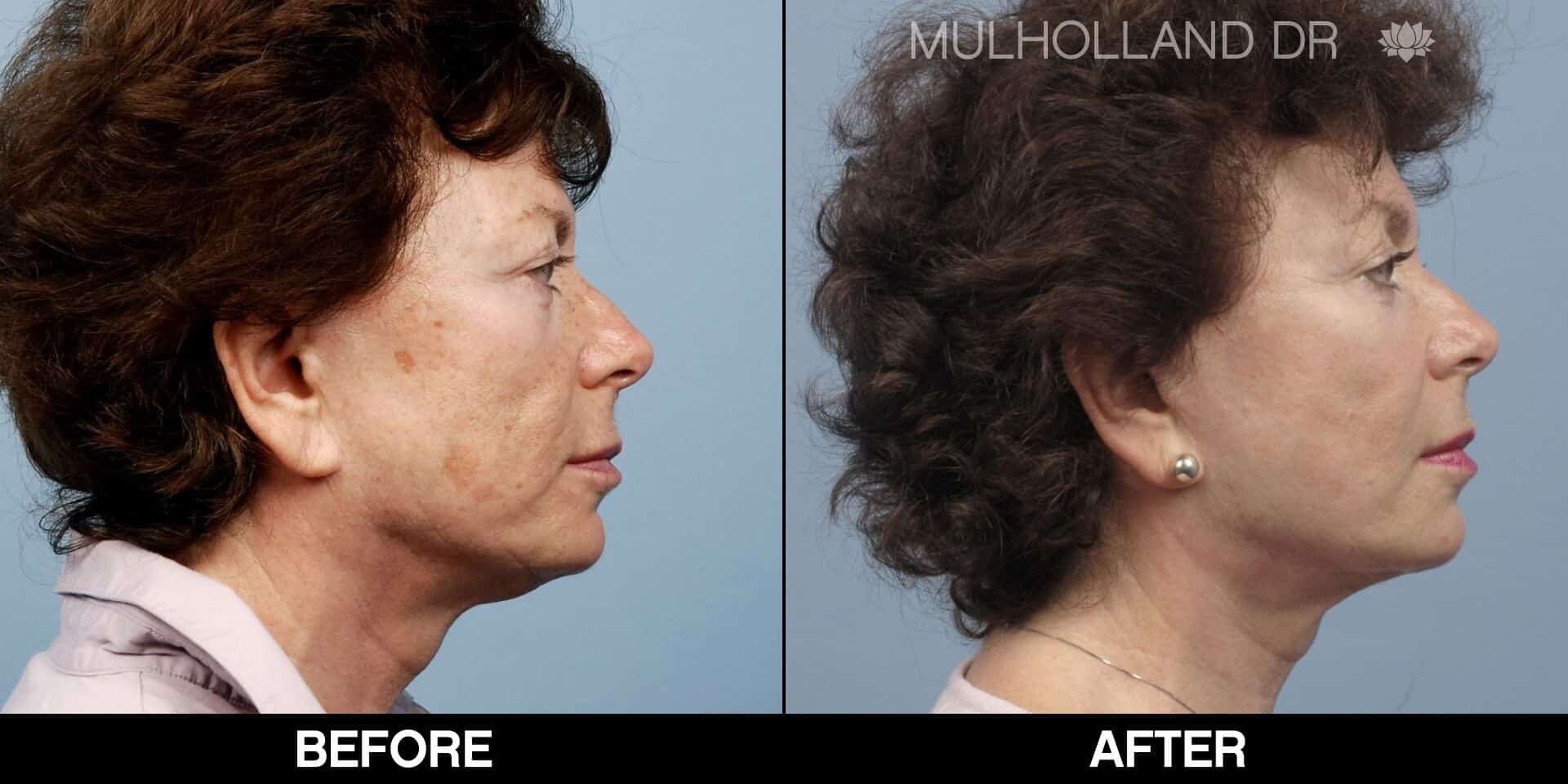
-
 Price No Longer Offered
-
 Procedure Time 30 minutes-2 hours
-
 Recovery Time 1-2 weeks
What Is the Recovery Period Following a Fractional Erbium Laser Treatment?
There is minimal recovery time after a fractional erbium laser resurfacing treatment. The healing process typically lasts 1–2 weeks, making the procedure suitable for working individuals who cannot take extended time off.
How Long Does it Take to Perform a Fractional Erbium Laser Treatment?
Depending on the size of the area being treated, the procedure may take 30 minutes to 2 hours. A partial-face treatment takes approximately 30 to 45 minutes, while a full-face treatment takes 1.5 to 2 hours.
What is a Fractional Erbium Laser or Radiofrequency Resurfacing Treatment?
Erbium laser skin resurfacing ablates the outermost layer of the skin (epidermis) to reveal smoother, younger-looking skin underneath. Fractional CO2 laser or radiofrequency resurfacing goes deeper and represents the most advanced procedures available for aging skin, acne scarring, and sun damage. CO2 laser and radiofrequency procedures additionally stimulate collagen to promote skin tightening and reduce fine lines and wrinkles. Both are safe, non-surgical options for achieving more youthful skin with minimal downtime.
This technology creates tiny microthermal patches in the middle layer of skin, targeting aged collagen and skin cells to stimulate new collagen generation and healthy cell renewal.
Some fractional radiofrequency devices, such as Morpheus8, can send fractional energy into the fat layer itself to lift, tighten, and smooth the skin from the bottom up.
Fractional resurfacing devices fall into two main categories:
Fractional Laser Resurfacing
These devices use a laser to create small micro-thermal channels or defects in the skin. The laser is attracted to water in the outer skin layer. A fractional ablative laser creates a large number of ablative defects while leaving patches of skin between the thermal defects untreated.
It is this proportional approach — leaving adjacent skin intact — that gave rise to the term “fractional.” The untreated skin serves as a reservoir for healing, which accounts for the faster recovery of fractional resurfacing compared to older full-surface laser techniques from the 1990s and early 2000s.
Fractional CO2 and Fractional Erbium Glass are among the common fractional resurfacing lasers used in this category.
Fractional Radiofrequency Resurfacing (RF)
Fractional radiofrequency (RF) devices typically use coated silicone needles to deliver a fractionated RF electrical impulse into deep layers of the skin and fat. Because the needle coating prevents contact with the surface, these devices avoid ablating the outer skin layer — a key advantage over some laser approaches.
The needles can penetrate selectively to different depths, creating strong thermal contraction and wrinkle reduction without significant surface reactions. Adjacent tissue is left uninjured to act as a reservoir for healing.
The trade-off is that patients with very superficial skin aging may benefit more from a laser approach, as the outermost skin layer requires more direct improvement. Common fractional RF devices include the Fractora, Morpheus8, Intracel (Intensive), Infini, and Ematrix.
Am I a Good Candidate for Fractional Erbium Laser?
Fractional skin resurfacing lasers and radiofrequency devices can address a variety of skin concerns. A good candidate for this non-invasive resurfacing treatment is someone looking to correct fine, moderate, or deep lines and wrinkles on the face, neck, back, chest, or hands. Candidates may also want to minimize acne or surgical scarring, address precancerous lesions, tighten lax skin, or reduce enlarged pores.
Those seeking a more youthful skin texture and tone should understand that results, while meaningful, are not as dramatic as a surgical procedure. Discussing expectations openly with a qualified provider allows them to suggest the most appropriate treatment approach.
Fractional Erbium Laser Benefits
Youthful Glow
Within 1–2 weeks after treatment, fractional laser or RF resurfacing leaves the skin with a fresh, luminous appearance.
Reduces Wrinkles and Pore Size
Fractional laser or RF resurfacing can reduce the appearance of wrinkles by 50–90%, depending on the intensity of settings and recovery time. Enlarged pores, white stretch marks, and other textural irregularities can also show significant improvement.
Tighten Lax Skin
Depending on the fractional RF technology used, patients can achieve noticeably tighter, smoother, and even lifted-appearing skin across the face, jawline, neck, chest, arms, and above the knees.
Minimizes Scarring
Unlike many acne scar treatments, fractional resurfacing can address multiple skin concerns in a relatively small number of sessions — as few as 1–3 treatments — with limited downtime.
Treats Sun-Damaged Skin
Whether the concern is brown spots or long-term collagen loss from photo-damage, the depth and extent of treatment can be precisely controlled by a qualified provider.
Ideal for Older Patients
Fractional radiofrequency resurfacing can significantly improve wrinkles, skin laxity, enlarged pores, and photodamage in older patients.
Fractional Erbium Laser Risks & Complications
Fractional laser and radiofrequency treatments are well tolerated by most patients, and serious complications are rare. However, some risks exist:
- Changes in skin colour: Fractional laser and RF resurfacing can cause skin darkening (hyperpigmentation) or lightening (hypopigmentation), which can often be addressed with additional laser treatments or topical products.
- Infection: As with many cosmetic procedures, fractional resurfacing can occasionally lead to bacterial, viral, or fungal infection, including herpes flare-ups in those who carry the virus. A preventative dose of Valtrex oral antiviral is typically administered.
- Itching, swelling, and redness: It is normal for the skin to be warm and red for a couple of days post-treatment. In some cases, itchiness and swelling also occur and, in rare instances, can last for several months.
- Scarring: Fractional erbium laser resurfacing carries a minor risk of scarring. During a consultation, a qualified provider can assess individual scarring risk and determine candidacy.
How is a Fractional Erbium Laser Treatment Performed?
During a fractional laser or radiofrequency treatment, the laser’s light is passed over the skin surface and absorbed, causing the immediate vaporization of tissue, removing skin one 30 millionths of an inch at a time. This precision allows treatment to be calibrated to the required depth. The laser creates tiny “microthermal” zones, prompting the skin to repair itself by pushing out old, damaged tissue and accelerating collagen production and healthy skin renewal.
Preparing for a Fractional Erbium Laser Treatment
Patients should avoid tanning for at least one month before treatment, as UV-exposed skin carries a higher risk of complications. On the day of treatment, the face is cleansed, and a topical numbing cream is applied. The cream takes 30–60 minutes to take effect, during which time patients can rest.
What to Expect Post Fractional Laser and RF Resurfacing
When resurfacing is complete, a bandage may be placed on the treated area and removed within a few days. Ointment is typically applied after the first week to prevent scarring. The skin usually regenerates within approximately 10 days but may remain red for about a month, with residual redness lasting 3–4 months in some cases. Avoiding sun exposure and keeping the skin well hydrated during this period is important.
Fractional Erbium Laser Recovery
Recovery is individual to each patient but typically follows this progression:
- Weeks 1–2: By the end of week 1, most patients can resume usual activities, though initial downtime can extend to 2 weeks. Makeup should be avoided for the first week if possible.
- Week 3: New collagen continues to develop for several months. By week 3, the skin typically appears normal, and patients usually feel comfortable resuming exercise.
- Post 1 month: Noticeable improvements are typically visible after one month. At this point, a follow-up treatment in the series may be considered.
Fractional Laser and Radiofrequency Resurfacing FAQ
Is Getting a Fractional Laser or RF Treatment Painful?
Pain levels vary depending on treatment intensity. Mild settings cause little to no discomfort and typically require only topical numbing cream. For more aggressive treatments, laughing gas (Nitrous Oxide/Pronox) is used alongside local anesthesia.
How Long After a Fractional Laser or Radiofrequency Treatment Should I Wait Before Botox Injection or Dermal Filler (like Juvederm) Treatments?
A 2-to-4-week window between procedures is recommended to allow the skin to heal. Laser and RF treatments do not affect fillers or Botox once they have been injected and settled. It is generally recommended that Botox be administered before resurfacing so that the skin relaxes wrinkles, which can support the resurfacing results and the collagen that forms afterward.
How Long Does a Laser or Radiofrequency Skin Resurfacing Last?
Most patients see significant improvements in wrinkles, pigmentation irregularities, and scarring within weeks of treatment. When paired with a consistent skincare routine, results can last for years. Depending on the goals, 1–3 procedures may be needed to achieve meaningful improvement. Adding Botox and dermal fillers can complement resurfacing results and help maintain them longer.
What Can Be Done to Make Laser and RF Skin Resurfacing Last Longer?
Moderate maintenance treatments 2–3 times per year, diligent sun protection, Botox, dermal fillers, and a good medical skincare routine can all help extend results over the long term.