September 22nd, 2026
Dr. Mulholland, Md
Plastic surgery has become much easier to research, but having more information available does not always make it easier to separate fact from fiction.
Social media, television, personal experiences, and conversations with friends can all shape the way people think about cosmetic procedures. Some plastic surgery misconceptions have also been repeated for so long that they are easy to accept as fact.
You may have heard that plastic surgery always looks obvious or that recovery means disappearing from your normal life for months. Non-surgical treatments are sometimes presented as replacements for surgery, while surgical procedures can be portrayed as more dramatic than they actually are.
The reality is much more individual.
Plastic surgery encompasses a wide range of procedures, and each patient presents with distinct anatomy, concerns, health considerations, and goals. Understanding a few common plastic surgery myths can make it easier to research your options and know what questions to ask during a consultation.
Myth #1: Plastic Surgery Always Looks Obvious
One of the most persistent cosmetic surgery myths is that everyone will immediately know when someone has had work done.
Natural-looking plastic surgery is a common goal for patients and surgeons. Rather than creating the same appearance for every person, treatment planning considers the patient’s existing features and the changes they would like to make.
A facelift, for example, can be planned around the patient’s facial anatomy, degree of skin laxity, and areas of concern. The goal may be to create a more refreshed appearance while preserving the characteristics that make the person’s face recognizable. The same principle applies to procedures involving the body or breasts. Proportions, tissue characteristics, and the patient’s preferences all influence the treatment plan.
What looks natural can also mean something different from one person to another. Some patients want a subtle change, while others want a more noticeable result. Talking openly about your preferences during your consultation helps your surgeon understand what you hope to achieve.
Before-and-after photos can be useful here. They allow you to see a surgeon’s work and identify results that align with your aesthetic preferences. Your own results will still depend on your anatomy and individual treatment plan.
Myth #2: Cosmetic Procedures Are Only for Older Adults
There is no single age when someone becomes interested in cosmetic treatment.
People explore cosmetic procedures at many stages of adulthood and for many different reasons. Some concerns are related to aging, while others have little to do with age at all.
A younger adult may want to address a feature they have been self-conscious about for years. Others become interested in treatments that support skin quality or collagen production as they begin noticing gradual changes in their skin.
Later in life, concerns may shift toward skin laxity, changes in facial volume, or other visible signs of aging. Life events can influence cosmetic goals as well. Pregnancy, weight changes, and changes in the breasts or body may lead someone to explore treatment regardless of their age. Age is one piece of information considered during treatment planning. Overall health, anatomy, skin quality, medical history, and expectations also matter when determining whether a procedure may be appropriate.
A consultation allows your provider to evaluate those factors and discuss options based on what you actually want to address.
Myth #3: Recovery Takes Months for Every Procedure
Plastic surgery recovery varies considerably depending on the procedure.
Some cosmetic treatments involve little downtime. Others require patients to temporarily step away from work, exercise, and certain daily activities while tissues heal.
Even among surgical procedures, recovery is not identical. Someone undergoing a smaller procedure may have a very different experience from a patient recovering from a more extensive operation or several procedures performed together.
There is also an important difference between returning to normal activities and being completely healed. You may be able to go back to work or resume parts of your routine while mild swelling is still present. Internal tissues can continue to heal even after you feel much more like yourself. Scars also mature gradually and may continue changing for many months.
Your individual healing response also influences the timeline. Swelling, bruising, discomfort, and energy levels vary among patients.
Before surgery, your surgeon will explain the expected stages of recovery and when you may be able to return to specific activities. Following those instructions gives your body time to heal appropriately.
If recovery is one of your biggest concerns when considering a procedure, the Toronto Plastic Surgeons Recovery Timeline offers a more detailed look at what patients may experience during different stages of healing.
Myth #4: Non-Surgical Treatments Can Do Everything Surgery Can
Advances in cosmetic technology have created more non-surgical treatment options for patients interested in improving their skin and appearance. These treatments can be valuable for the right concerns. They also have their own capabilities and limitations.
Treatments that stimulate collagen can help improve skin quality, texture, and firmness over time. Depending on the technology used, non-surgical procedures may also address mild laxity or other early signs of aging.
Surgery is designed to address concerns that may involve more significant skin laxity, underlying tissues, or structural changes. A facelift or neck lift, for example, can reposition tissues and address excess skin in ways that a skin treatment cannot.
The appropriate approach depends on what is causing the concern and the degree of change a patient wants to achieve.
For some patients, surgical and non-surgical treatments can also have different roles within the same treatment plan. Surgery may address tissue position or excess skin, while a non-surgical treatment focuses on skin quality.
Your provider can assess your skin, anatomy, and goals before explaining which options may be appropriate. Understanding what each treatment is designed to accomplish can help you make a decision based on realistic expectations rather than assuming one category of treatment can replace another.
Myth #5: Scars Never Fade
Scarring is a normal part of the body’s healing process after an incision, but scars do not usually look the same forever. During the early stages of plastic surgery recovery, an incision may appear red, raised, or more noticeable. The appearance typically changes as the area heals and the scar matures. This process can continue for many months.
Several factors influence how a scar develops. Genetics and individual healing response play a role, along with the incision site and the surgical technique used.
Incision placement is carefully considered when planning many plastic surgery procedures. Depending on the surgery, incisions may be placed within natural creases or in areas where they are less noticeable once healed.
Aftercare matters too. Your surgeon will provide instructions for caring for your incisions and may recommend specific scar care once you have reached the appropriate stage of recovery. Protecting healing scars from sun exposure may also be part of these instructions.
Every patient’s scars differ, so it is difficult to predict exactly how a scar will look once it has matured. Your surgeon can show you where incisions are expected to be located and discuss what you can reasonably expect before your procedure.
Myth #6: Before-and-After Photos Show Exactly What My Results Will Look Like
Before-and-after photos can be extremely useful when researching a cosmetic procedure. They show real examples of what a treatment may accomplish and can help you learn more about a surgeon’s work. They cannot show exactly what your own results will look like.
Your anatomy is unique. Skin quality, tissue distribution, proportions, and the degree of the concern being treated all influence the starting point.
Healing adds another layer of individuality. Swelling can resolve at different rates, scars mature at different rates, and tissues may settle at different rates as recovery progresses.
Lifestyle and aftercare can also influence the process. Following post-operative instructions and protecting your skin during recovery can support healing, although no two patients will have identical experiences.
When looking through before-and-after photos, try to find patients who began with concerns similar to yours. Pay attention to the type of change achieved and consider which aspects of the result appeal to you.
You can bring these examples to your consultation. They can help you explain your preferences and start a conversation about what may be possible based on your own anatomy.
Why Reliable Information Matters
Plastic surgery is a personal decision, and having accurate information makes it easier to understand your options.
Online research can be a useful starting point. Once you begin seriously considering a procedure, information from qualified providers can give you a clearer understanding of what the treatment involves.
A consultation also allows you to ask questions that are specific to you.
You should discuss how a procedure is performed, what recovery typically involves, and what risks are associated with treatment. You can ask about expected changes and any limitations that may affect your results.
This is also a good time to discuss concerns you have encountered during your research. If you have heard something about plastic surgery that makes you hesitant or unsure, bring it up. Your provider can explain how that information relates to the procedure you are considering.
Understanding both the potential benefits and limitations of treatment can help you develop realistic expectations before deciding whether to move forward.
Get the Facts About Your Cosmetic Treatment Options
Many cosmetic surgery myths come from outdated ideas, individual experiences, or assumptions about what plastic surgery looks like and who chooses to have it.
Modern cosmetic care includes a wide range of surgical and non-surgical options. The experience can look very different depending on the patient, procedure, and goals.
Learning the plastic surgery facts that apply to your specific situation is an important part of making an informed decision. A consultation allows your provider to review your anatomy, medical history, concerns, and expectations before discussing appropriate options.
The team at Toronto Plastic Surgeons Wellness Centre can answer your questions and help you better understand what different cosmetic procedures involve. Schedule a consultation to learn more about your options and receive recommendations tailored to your goals.
FAQ
What are the most common myths about plastic surgery?
Some common plastic surgery misconceptions include the idea that results always look obvious, cosmetic procedures are only for older adults, every surgery requires months of recovery, and scars never fade.
There are also misconceptions about what non-surgical treatments can accomplish and whether another patient’s before-and-after photos can predict your own results.
Speaking with a qualified provider can help you understand which information applies to the procedure you are considering.
Does plastic surgery always look obvious?
No. Many patients seek natural-looking plastic surgery that complements their existing features.
Your anatomy and aesthetic preferences are considered during treatment planning. Discussing the type of result you want during your consultation helps your surgeon understand your goals and explain what may be possible.
Can non-surgical treatments replace surgery?
Non-surgical treatments and surgery are used to address different concerns. Non-surgical options may improve skin quality, stimulate collagen production, or address varying degrees of skin laxity.
Surgery may be appropriate when concerns involve excess skin or underlying tissues that cannot be adequately addressed with a non-surgical treatment. In some cases, surgical and non-surgical treatments may both be included in a patient’s overall plan.
How long does recovery usually take?
Plastic surgery recovery depends on the procedure and the individual patient. Some procedures involve relatively short periods away from normal activities, while more extensive surgeries require additional recovery time.
Returning to work or everyday activities does not necessarily mean healing is complete. Swelling, scar maturation, and internal healing may continue for months.
Your surgeon can provide a more specific recovery timeline based on the procedure you are considering.
Will I have visible scars after plastic surgery?
Any surgery involving an incision creates a scar. How noticeable it becomes depends on several factors, including incision placement, genetics, surgical technique, and individual healing.
Scars usually change as they mature and may become less noticeable over time. Your surgeon can explain where incisions will be placed and provide scar care recommendations during recovery.
Why is a consultation important before cosmetic treatment?
A consultation allows you to receive information that applies specifically to you.
Your provider can evaluate your anatomy, discuss your goals and medical history, and explain the potential benefits and limitations of different treatments. You can also ask questions about cosmetic surgery safety, recovery, scarring, expected results, and anything else that may influence your decision.
Having this information can help you approach cosmetic treatment with realistic expectations and make a decision you feel comfortable with.
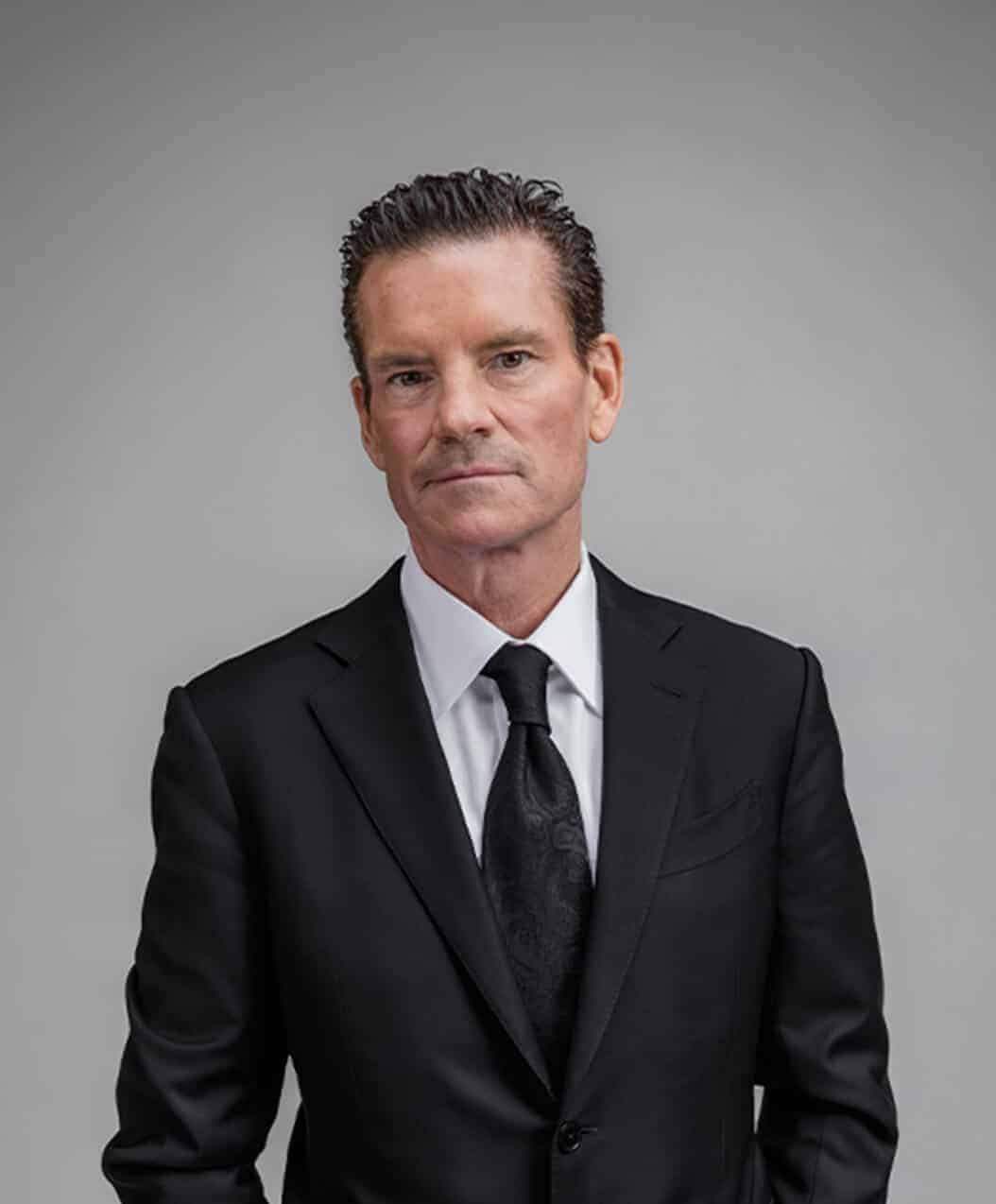
Dr. Stephen Mulholland, Md
Dr. Stephen Mulholland has been practicing plastic surgery for over 20 years. He is one of Canada’s most renowned and best plastic surgeons in Toronto with his wealth of experience, artistry, and humbleness towards his patients.
View Dr. Mulholland’s Profile View Dr. Mulholland’s Wikipedia