September 22nd, 2026
Dr. Mulholland, Md
The things you do every day can have a lasting effect on your skin’s health and appearance. Genetics and natural aging play significant roles, but your lifestyle also influences how your skin changes over time.
These habits can become especially relevant when you are considering a cosmetic treatment or plastic surgery. Nutrition, hydration, sleep, sun exposure, smoking, and physical activity can all influence skin health. Some also affect how your body heals after a procedure.
Cosmetic treatments can address concerns that healthy habits alone cannot change. Taking care of your overall health can help create a strong foundation before treatment and support your skin and body afterward.
Healthy Skin Starts With Daily Habits
Your skin is constantly exposed to factors that affect its appearance and function. Some are outside of your control, including genetics and the natural changes that occur with age. Others are connected to your environment and everyday routine.
Over time, repeated sun exposure can affect collagen and contribute to visible signs of aging. Smoking can influence circulation and skin quality. Nutrition provides your body with nutrients involved in normal tissue maintenance and repair.
A healthy skin lifestyle does not need to be complicated. Consistent habits tend to matter more than trying to follow a perfect routine.
This is also true when preparing for or recovering from a cosmetic procedure. Your provider may give you specific instructions based on your treatment and medical history. Following those recommendations while maintaining healthy everyday habits can support your body throughout the process.
Nutrition and Hydration Support Skin Health
Your skin depends on nutrients from your diet to carry out its normal functions, which makes nutrition an important part of overall skin health.
Protein is particularly important because the body uses amino acids from dietary protein to build and repair tissues. Collagen is a protein, and adequate nutrition provides the body with the materials it needs for normal collagen production.
A varied diet can also provide vitamins, minerals, antioxidants, and healthy fats that contribute to overall health. Fruits and vegetables offer a range of nutrients, while dietary fats support normal cell function.
There is no single food that can prevent skin aging or guarantee better cosmetic results. A balanced approach to nutrition provides broader support for the body and is especially important when it is healing.
Don’t Forget About Hydration
Hydration deserves its own place in a healthy skin routine.
Water supports normal body functions and helps maintain the skin’s hydration from within. Fluids can come from drinking water and other beverages as well as water-rich foods.
Drinking extra water will not erase wrinkles or reverse skin laxity. Staying adequately hydrated can help prevent dryness and other effects that may occur when the body lacks sufficient fluid.
Hydration can also be important during plastic surgery recovery. Your surgical team will provide instructions about eating and drinking around the time of your procedure, including any restrictions required before anesthesia. Once you are cleared to drink normally again, maintaining adequate fluid intake can become part of your recovery routine.
If you have a medical condition that affects how much fluid you should consume, follow the guidance provided by your healthcare professional.
Sleep Gives Your Body Time to Recover
Sleep supports many of the body’s normal restorative processes. It is also an important part of general wellness, whether you are undergoing cosmetic treatment or simply trying to take better care of your skin.
A consistent sleep schedule can help support your overall health. Most adults benefit from creating a routine that allows enough time for rest and makes it easier to get consistent sleep from night to night.
Rest becomes especially valuable during plastic surgery recovery. Your body is healing, and you may feel more tired than usual during the early stages. Planning for adequate rest can make it easier to follow activity restrictions and avoid doing too much too soon.
Depending on the procedure, your surgeon may also give you instructions about sleeping position. Some patients are asked to keep a treated area elevated or avoid putting pressure on a surgical site for a period of time.
Follow the instructions provided by your surgical team, even if your usual sleeping position is different.
Sun Protection Helps Preserve Skin Quality
Sun exposure is one of the major environmental factors that affects how skin ages.
Ultraviolet radiation can damage collagen and elastin within the skin. With repeated exposure, this damage can contribute to wrinkles, uneven pigmentation, changes in texture, and loss of firmness.
Collagen production also changes naturally as we age. Protecting your skin from unnecessary UV exposure can help limit an additional source of collagen breakdown.
Daily sunscreen is an important part of sun protection. Wearing protective clothing and seeking shade during periods of strong sunlight can provide additional protection when you are outdoors.
Sun protection becomes particularly important after many cosmetic treatments. Procedures that resurface the skin or stimulate a healing response can temporarily make the treated area more sensitive to sunlight. Your provider will tell you when and how to use sunscreen following your treatment.
Healing surgical scars also need protection from UV exposure. Your surgeon may recommend keeping the incisions covered or using appropriate sun protection once the area has healed enough to use sunscreen.
Following those instructions can help protect healing skin while your scars continue to mature.
Smoking Can Affect Healing
Smoking is an important topic to discuss honestly with your provider before plastic surgery.
Nicotine causes blood vessels to narrow, which reduces blood flow to tissues. Adequate circulation is important during healing because blood carries oxygen and nutrients to the surgical area.
For this reason, smoking and plastic surgery can be a concerning combination during recovery. Reduced blood flow may interfere with wound healing and increase the risk of certain surgical complications.
Smoking can also affect the skin over time. Tobacco smoke contributes to oxidative stress and can damage collagen and elastin, which may contribute to premature signs of skin aging.
If you smoke, tell your surgeon during your consultation. This information is part of your medical history and helps your surgical team plan your care safely.
Your surgeon may ask you to stop smoking and using nicotine products for a specific period before and after surgery. Follow the timeframe they provide, and ask for guidance if you need help preparing for that requirement.
The conversation is about your safety and healing. Being open about nicotine use allows your care team to give you recommendations that are appropriate for your procedure and health.
Exercise and Movement Support Overall Health
Regular movement is another part of a healthy lifestyle that can support your overall well-being. Exercise helps support cardiovascular health, circulation, strength, and weight management, all of which can be relevant when preparing for or maintaining the results of a cosmetic procedure.
Maintaining a relatively stable weight can be particularly helpful after body contouring procedures. Significant weight fluctuations may change the size and shape of different body areas, which can affect how your results appear over time.
Your usual exercise routine will need to change temporarily after surgery. Even if you feel ready to return to normal activity, your body may still be healing beneath the surface.
Your surgeon will provide instructions about when you can begin walking, return to work, lift heavier objects, and gradually resume exercise. Light movement may be encouraged at certain stages of recovery, while strenuous exercise typically requires more time.
Follow the timeline provided by your surgical team rather than judging your recovery by how you feel alone. Returning to strenuous activity too early can place unnecessary stress on healing tissues.
Once you are fully recovered and cleared for normal activity, regular exercise can become part of maintaining your overall health and cosmetic results.
Professional Treatments Can Complement Healthy Habits
Healthy skin habits provide a valuable foundation, but some changes require more than skincare and lifestyle choices alone.
Professional treatments can target specific concerns involving skin texture, pigmentation, fine lines, collagen loss, or laxity. The appropriate option depends on your skin, the concern being treated, and your goals.
At Toronto Plastic Surgeons Wellness Centre, treatment options include Microneedling, Morpheus8, and Tixel.
Microneedling creates controlled micro-injuries in the skin, prompting a natural healing response and supporting collagen production. It can be used to address concerns such as uneven texture and fine lines.
Morpheus8 combines microneedling with radiofrequency energy. The treatment delivers energy into deeper layers of the skin to encourage collagen remodeling and improve skin quality and firmness over time.
Tixel uses controlled thermo-mechanical energy to stimulate the skin’s natural renewal processes. It can be used to improve texture, pigmentation, fine lines, and crepey skin, including the delicate skin around the eyes.
These treatments can become one part of a broader approach to skin health. Continuing to protect your skin from excessive sun exposure and following an appropriate skincare routine can help support your results between treatments.
Some professional treatments require a series of sessions or ongoing maintenance. During your consultation, your provider can explain what to expect based on the treatment being considered and your individual concerns.
Supporting Your Skin and Results for the Long Term
There is no single habit that determines how your skin will age or how long plastic surgery results will last. Your genetics, anatomy, procedure, natural aging process, and individual healing response all play a role.
Healthy habits help you support the factors within your control.
Eating well and staying adequately hydrated can support your general health. Consistent sleep gives your body time to rest and recover. Protecting your skin from UV exposure can help limit sun damage, while avoiding smoking can support both skin health and surgical healing.
These habits also remain useful long after your initial recovery is complete. Maintaining a stable weight when possible, staying active, caring for your skin, and following your provider’s recommendations can all help maintain plastic surgery results over time.
Professional skin treatments may also have a place in your long-term plan. Your needs can change as you age, and a treatment that makes sense today may not be the one you choose several years from now.
At Toronto Plastic Surgeons Wellness Centre, your provider can help you explore surgical and non-surgical options based on your goals, lifestyle, and individual needs. Schedule a consultation to discuss your concerns and learn more about creating a treatment plan that works with your lifestyle.
FAQ
How do lifestyle habits affect skin health?
Lifestyle habits can influence several aspects of skin health. Sun exposure can contribute to collagen breakdown and premature signs of aging, while smoking can impair circulation and collagen production. Nutrition provides nutrients involved in normal skin function and tissue repair.
Sleep, hydration, physical activity, and skincare habits can also contribute to your overall wellness and skin health. Genetics and natural aging remain important factors, so lifestyle is only one part of the picture.
Does smoking affect plastic surgery recovery?
Yes. Nicotine causes blood vessels to narrow, which can reduce blood flow to healing tissues. This may interfere with wound healing and increase the risk of certain complications following surgery.
Your surgeon may require you to stop smoking and using other nicotine products for a period before and after your procedure. The exact instructions will depend on your health and the surgery you are having.
Can healthy habits improve cosmetic treatment results?
Healthy habits can support your skin and body before and after cosmetic treatment. They cannot guarantee a particular result or replace an appropriate procedure.
Following aftercare instructions, protecting your skin from the sun, avoiding smoking, and maintaining your overall health may help support healing and preserve your results over time.
Does drinking water improve skin?
Adequate hydration supports normal body function and can help prevent the effects of dehydration, including dry skin. Drinking excessive amounts of water will not remove wrinkles, tighten loose skin, or reverse other signs of aging.
Aim for appropriate hydration as part of your overall health routine rather than treating water as a stand-alone skin treatment.
Why is sunscreen important after cosmetic treatments?
Some cosmetic treatments temporarily leave the skin more sensitive to UV exposure. Protecting the treated area can help support the healing process and reduce unnecessary sun exposure while the skin recovers.
Sun protection can also help preserve skin quality over the long term because UV exposure contributes to collagen breakdown, pigmentation changes, and other visible signs of aging. Follow your provider’s instructions about when and how to apply sunscreen after treatment.
How can I maintain my plastic surgery results?
Long-term maintenance depends partly on the procedure you have. Maintaining a stable weight, protecting your skin from excessive sun exposure, avoiding smoking, and following a healthy lifestyle can help support your results.
Your body will continue to age naturally after plastic surgery. Staying in touch with your provider can help you understand how your results are changing and whether skincare, professional treatments, or other options may be useful in the future.
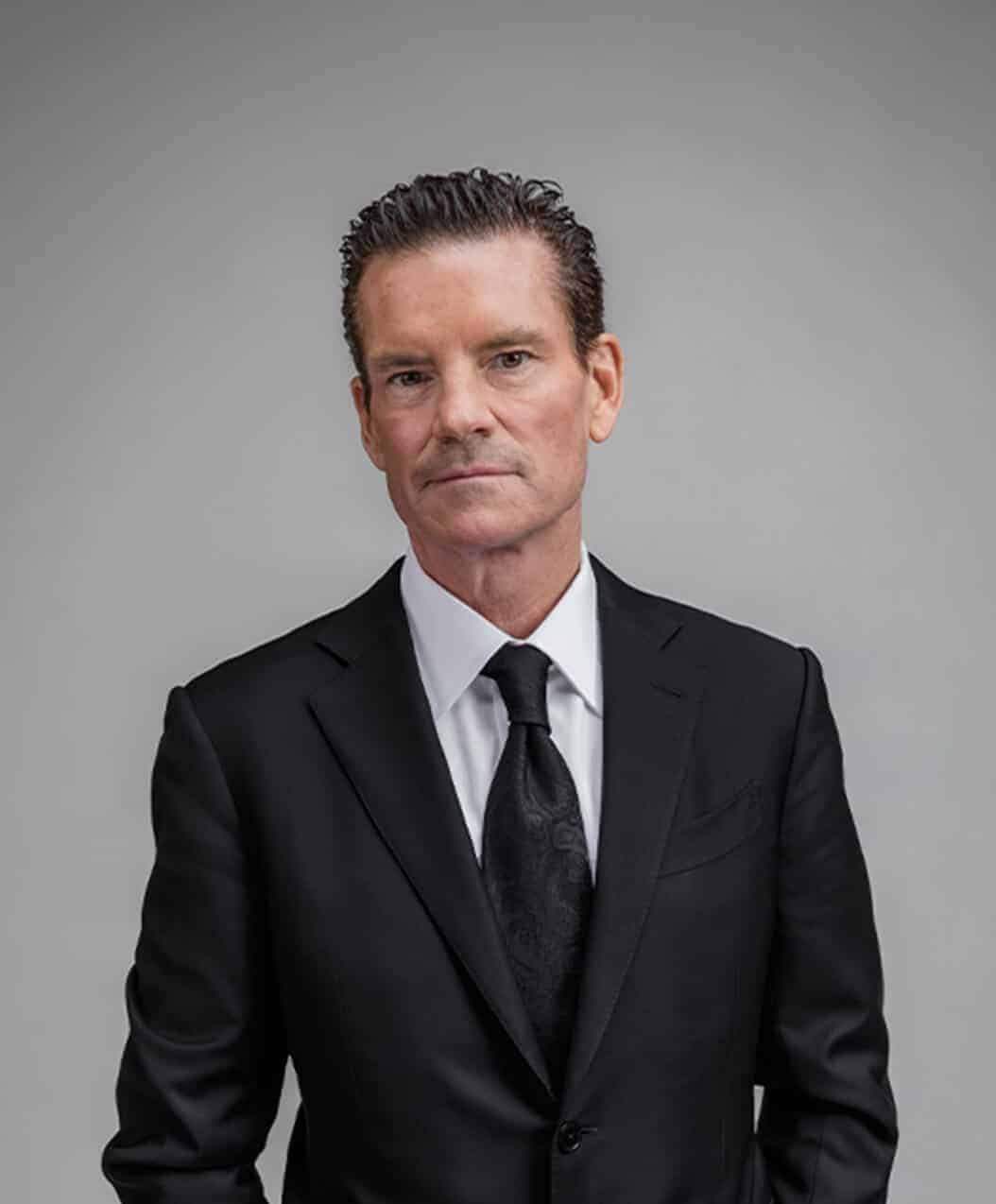
Dr. Stephen Mulholland, Md
Dr. Stephen Mulholland has been practicing plastic surgery for over 20 years. He is one of Canada’s most renowned and best plastic surgeons in Toronto with his wealth of experience, artistry, and humbleness towards his patients.
View Dr. Mulholland’s Profile View Dr. Mulholland’s Wikipedia