August 6th, 2026
Dr. Mulholland, Md
If you’ve noticed fine lines, dullness, or that your skin isn’t as firm as before, you’re not alone. These changes are a normal part of aging, and a big reason for them is that your body slowly makes less collagen over time.
Collagen is a protein that gives your skin its structure, strength, and stretch. Starting in your late twenties, your body makes less collagen each year. This gradual drop can lead to wrinkles, looser skin, slower healing, and changes in your face’s shape.
The good news is that even though collagen loss happens to everyone, knowing how it works can help you choose the right skincare, habits, and treatments to support your skin as you get older.
What Is Collagen?
Collagen is the most abundant protein in the human body. It’s found in the skin, bones, muscles, tendons, ligaments, and connective tissues, where it provides strength and structural support.
In your skin, collagen works like a framework beneath the surface. It helps keep your skin firm, smooth, and stretchy, and it also helps your skin repair itself after injuries or daily wear and tear.
Collagen works with another key protein called elastin. Collagen gives your skin strength, while elastin lets it stretch and return to shape. Together, they help your skin look healthy, strong, and youthful.
When you’re young, your body makes collagen easily. But this doesn’t last forever.
When Does Collagen Production Begin to Decline?
Most people start to lose collagen slowly between ages 25 and 30. The exact timing is different for everyone, but collagen production usually drops a bit more each year as you get older.
At first, these changes are small. You might notice your skin takes longer to heal after a breakout, or that fine lines stick around longer. Over time, these effects add up and become easier to notice.
This is called intrinsic aging, which means the natural aging that happens no matter your lifestyle. But things like sun and stress can speed up collagen loss even more than what would happen naturally.
How Collagen Loss Changes Your Skin
Since collagen supports your skin, having less of it can change how your skin looks and works.
Fine Lines and Wrinkles
One of the earliest signs of collagen loss is the development of fine lines.
As collagen drops, your skin gets thinner and can’t bounce back from facial expressions as well. Over time, fine lines can turn into deeper wrinkles.
Reduced Firmness
Collagen helps keep the skin firm and supported.
When your body makes less collagen, your skin slowly loses its tightness. This can cause mild sagging around your cheeks, jawline, neck, and other parts of your face.
Changes in Skin Texture
Many people notice that their skin no longer feels as smooth as it once did.
With less collagen, your pores might appear larger, and your skin may feel rougher or more uneven. You might also notice you’ve lost some of the healthy glow you had when you were younger.
Slower Healing
Collagen also plays an important role in wound healing.
As your body makes less collagen, your skin heals more slowly. Small injuries, acne spots, or cosmetic treatments might take longer to get better than they did when you were younger.
What Speeds Up Collagen Loss?
Aging is natural, but some habits and things in your environment can make you lose collagen faster.
Sun Exposure
Ultraviolet (UV) radiation is one of the leading causes of premature collagen loss.
Years of sun exposure let UV rays damage collagen faster than your body can fix it. This is called photoaging, and it leads to wrinkles, changes in skin color, and less elastic skin.
Using sunscreen every day is still one of the best ways to protect the collagen you have.
Smoking
Smoking affects circulation and reduces the supply of oxygen and nutrients to the skin.
Smoking also causes your body to produce more enzymes that break down collagen, leading to earlier and more obvious signs of aging.
Poor Nutrition
The body requires adequate protein, vitamins, and minerals to produce collagen.
If your diet is missing key nutrients, it can be harder for your body to keep your skin healthy. Still, eating well can’t stop aging completely.
Chronic Stress and Poor Sleep
Ongoing stress and not getting enough sleep can affect many parts of your body, including how well your skin repairs itself.
Even though research is still ongoing, getting good sleep and managing stress are usually seen as important for healthy skin.
Genetics
Some people just naturally keep firmer skin for longer than others.
Your genes affect things like how thick or stretchy your skin is and how fast you lose collagen. While you can’t change your genes, healthy habits can still help your skin in the long run.
Can You Restore Lost Collagen?
One of the most common questions patients ask is whether it’s possible to replace collagen that’s already been lost.
The answer isn’t simple.
No treatment can make your skin exactly like it was years ago, and no cream or supplement can fully replace the collagen you lose with age. But there are ways to help your skin and boost new collagen growth.
Skincare with ingredients like retinoids, vitamin C, and peptides can help your skin look better and support collagen over time. Protecting your skin from too much sun, eating well, not smoking, and keeping healthy habits can also help you keep the collagen you have.
If you want to tackle more obvious signs of aging, professional treatments can boost collagen more than skincare products alone.
Professional Treatments That Stimulate Collagen
Healthy habits and good skincare can help protect your collagen, but if you want to improve more noticeable signs of aging or your skin’s quality, professional treatments might be a good option.
The best treatment for you depends on your skin concerns, how much collagen you’ve lost, and what you want to achieve.
Microneedling
Microneedling is a minimally invasive treatment that creates tiny, controlled micro-injuries in the skin using fine, sterile needles.
These tiny channels start your body’s natural healing, which makes new collagen and elastin as your skin repairs. Over time, this can make your skin smoother, soften fine lines, reduce acne scars, and give you a more radiant look.
Since collagen changes happen slowly, you’ll keep seeing improvements for weeks after treatment. Many people get the best results with a series of treatments tailored to their needs.
Morpheus8
Morpheus8 combines microneedling with radiofrequency energy to treat deeper layers of your skin.
Besides boosting collagen, the heat from radiofrequency helps reshape tissue under your skin. That’s why Morpheus8 can help with loose skin, uneven skin texture, acne scars, or early signs of aging.
As your collagen rebuilds, you’ll likely notice your skin getting firmer, smoother, and looking better overall.
Tixel
Tixel is a non-invasive skin resurfacing treatment that uses controlled heat energy to stimulate the skin’s natural healing response. Unlike laser treatments, Tixel uses thermo-mechanical technology to create tiny areas of controlled heat on the skin without emitting light or radiation.
As the skin repairs itself, new collagen production is stimulated, helping improve skin texture, fine lines, and overall skin quality. Tixel is commonly used to rejuvenate delicate areas, including around the eyes and mouth, while also improving the appearance of sun-damaged or aging skin.
Because collagen remodeling continues after treatment, improvements develop gradually over the following weeks. Depending on your goals, a series of treatments may be recommended to achieve optimal results.
Beauty Boosters
Beauty Boosters aim to improve your skin’s quality by providing deep hydration beneath the surface.
While the main goal is hydration, these treatments also help your skin renew itself, including making more collagen and elastin. Over time, many people see smoother, brighter, and healthier-looking skin.
Instead of changing your face’s shape or adding volume, Beauty Boosters are meant to make your skin itself look and feel better.
When Surgery May Be the Better Option
Treatments that boost collagen can make a real difference for many people, especially in the early stages of aging.
But as collagen loss gets worse and skin becomes looser, non-surgical treatments might not give you the results you want.
In these cases, a facelift or similar procedure might be suggested to lift deeper tissues and fix more serious sagging. Talking with an experienced provider can help you decide if collagen treatments, surgery, or both are right for you.
When Should You Consider a Consultation?
A lot of people start looking into treatments when they see changes that skincare alone isn’t fixing.
You may wish to schedule a consultation if you’ve noticed:
- Increasing skin laxity
- Fine lines becoming more noticeable
- Changes in facial contour
- Acne scars or uneven skin texture
- Skin that appears thinner or less firm
- Dullness despite a consistent skincare routine
A consultation isn’t just about suggesting treatments. It’s a chance to look at your skin, talk about your concerns, and create a plan that fits your goals.
Since everyone’s skin ages in its own way, treatment advice should be tailored to you, not just your age.
Supporting Your Skin at Every Stage of Aging
Losing collagen is a big reason for visible skin aging, but it’s a normal part of life. While nothing can stop aging, there are plenty of ways to help your skin and keep collagen healthy as you get older.
Protecting your skin from the sun, keeping healthy habits, and sticking to a good skincare routine can all help you keep your collagen. If you want to see more significant changes, professional treatments can also improve your skin’s appearance and feel.
Whether you’re just starting to see signs of aging or thinking about bigger changes, the team at TPS Wellness Centre can help you explore your options. Book a consultation to find out which treatments suit your skin, goals, and stage of aging.
Frequently Asked Questions
At what age does collagen production begin to decline?
Collagen production typically begins to decline between the ages of 25 and 30. While the process is gradual, many people begin noticing subtle changes in their skin during their thirties.
Can collagen be restored naturally?
Healthy lifestyle habits, proper nutrition, sun protection, and certain skincare ingredients can help support collagen production and protect existing collagen. However, collagen loss is a natural part of aging and cannot be completely reversed.
What treatments stimulate collagen production?
Several professional treatments are designed to stimulate collagen production, including microneedling, Morpheus8, Tixel, and Beauty Boosters. The most appropriate treatment depends on your skin concerns and desired results.
Does sunscreen help protect collagen?
Yes. Daily sunscreen use helps protect the skin from ultraviolet (UV) damage, which is one of the leading causes of premature collagen breakdown and visible skin aging.
Are collagen supplements effective?
Research on collagen supplements is still evolving. While some studies suggest they may support skin hydration and elasticity, results vary, and supplements should not be viewed as a replacement for professional treatments or healthy skincare habits.
When should I consider cosmetic treatments for collagen loss?
If you’re noticing persistent skin laxity, fine lines, uneven texture, or other concerns that aren’t improving with skincare alone, a consultation can help determine whether professional collagen-stimulating treatments may be appropriate for you.
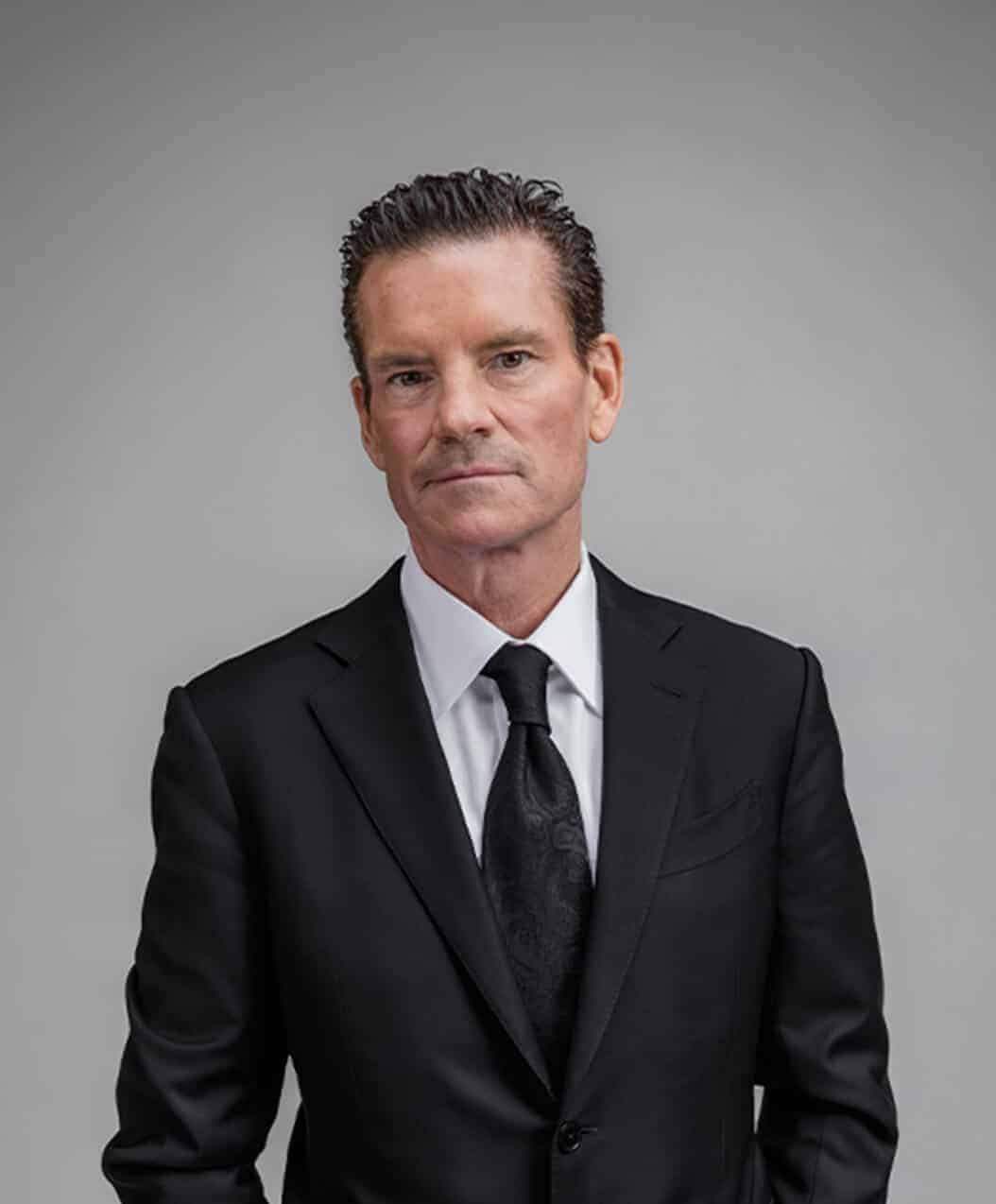
Dr. Stephen Mulholland, Md
Dr. Stephen Mulholland has been practicing plastic surgery for over 20 years. He is one of Canada’s most renowned and best plastic surgeons in Toronto with his wealth of experience, artistry, and humbleness towards his patients.
View Dr. Mulholland’s Profile View Dr. Mulholland’s Wikipedia