August 6th, 2026
Dr. Mulholland, Md
Deciding to have plastic surgery is an important personal decision, and preparing for your procedure is just as important as the surgery itself. While your surgeon will provide instructions specific to your treatment and medical history, taking time to prepare beforehand can help support a smoother recovery and a more comfortable experience.
Whether you’re planning a facelift, breast procedure, body contouring surgery, or another cosmetic treatment, understanding what to expect before surgery can help you feel more confident as your procedure approaches.
Why Preparation Matters
Plastic surgery doesn’t begin on the day of your procedure. The weeks leading up to surgery play an important role in your overall experience.
Preparing ahead of time allows you to optimize your health, organize your recovery space, and understand what to expect during healing. It also helps reduce unnecessary stress by allowing you to focus on your recovery instead of last-minute planning.
Every patient is different, so your surgeon’s recommendations should always take priority. However, there are several general steps that many patients can take before surgery.
Attend Your Consultation and Pre-Operative Appointments
Your consultation is one of the most important parts of the surgical process.
During this appointment, your surgeon will discuss your goals, evaluate your anatomy, review your medical history, and recommend treatment options that are appropriate for your needs. This is also the time to ask questions about the procedure, recovery, expected results, and any potential risks.
As your surgery date approaches, you may also have one or more pre-operative appointments. These visits allow your surgical team to review instructions, answer additional questions, and make sure you’re fully prepared before the day of surgery.
Being open and honest during these appointments helps your surgeon develop the safest and most appropriate treatment plan for you.
Review Your Medications and Supplements
Before surgery, it’s important to tell your surgeon about every medication, vitamin, herbal supplement, and over-the-counter product you take regularly.
Some medications and supplements can increase the risk of bleeding or interfere with anesthesia and healing. Your surgical team will let you know if any changes are needed before your procedure.
Never stop taking a prescribed medication without guidance from your surgeon or the healthcare provider who prescribed it.
If You Smoke, Plan to Stop
Smoking and nicotine use can significantly affect the body’s ability to heal after surgery.
Nicotine reduces blood flow, limiting the amount of oxygen delivered to healing tissues. This can increase the risk of delayed healing and other complications.
If you smoke or use nicotine products, your surgeon will likely recommend stopping well before your procedure and avoiding nicotine throughout the recovery period. Following these recommendations is an important part of supporting the healing process.
Maintain Healthy Lifestyle Habits
You don’t need to make dramatic lifestyle changes before surgery, but maintaining healthy habits can help your body prepare for recovery.
In the weeks leading up to your procedure, focus on:
- Eating a balanced diet that includes adequate protein
- Staying hydrated
- Getting enough sleep each night
- Remaining physically active if your health allows
- Managing stress whenever possible
These habits support your overall health and may help your body recover more comfortably after surgery.
Arrange for Someone to Drive You Home
Most plastic surgery procedures performed under anesthesia or sedation require someone to drive you home afterward.
Depending on your procedure, you may also need someone to stay with you for the first night or assist with daily activities during the first few days of recovery.
Planning this support ahead of time allows you to focus on resting instead of worrying about transportation or household responsibilities after surgery.
Prepare Your Home Before Surgery
Setting up your recovery space before your procedure can make the first several days much easier.
Consider preparing your home by:
- Keeping frequently used items within easy reach
- Preparing meals ahead of time
- Filling prescriptions before surgery
- Stocking up on water and nutritious snacks
- Having comfortable clothing available
- Arranging extra pillows or blankets if recommended
Small preparations can make a big difference once you return home and are focused on healing.
What to Wear on the Day of Surgery
Choosing comfortable clothing can make getting ready for surgery and returning home afterward a little easier.
In general, patients are encouraged to wear loose-fitting clothing that’s easy to put on and remove. Depending on your procedure, your surgeon may recommend a button-up or zip-front shirt so you won’t need to lift your arms overhead after surgery.
It’s also a good idea to leave valuables, jewelry, and contact lenses at home unless your surgical team tells you otherwise. Following any specific instructions provided before your procedure will help ensure everything goes as smoothly as possible.
Follow Instructions About Eating and Drinking
If your procedure involves general anesthesia or sedation, you’ll likely receive instructions about when to stop eating and drinking before surgery.
These guidelines are an important part of your safety during anesthesia and should be followed carefully. Even if your surgery is scheduled later in the day, don’t assume it’s safe to eat or drink outside of the timeframe provided by your surgical team.
If you have questions about your fasting instructions or take medications that require food, contact your provider before your procedure for guidance.
Know What to Bring
Your surgical team will let you know exactly what you’ll need on the day of your procedure, but many patients benefit from preparing these items in advance.
Depending on your surgery, you may be asked to bring:
- A government-issued photo ID
- Health insurance information, if applicable
- Any required paperwork or consent forms
- A list of current medications
- Compression garments or post-operative garments if instructed
- Comfortable clothing for your trip home
Packing these items the night before can help make the morning of surgery less stressful.
Plan Time Away From Work and Daily Responsibilities
Recovery timelines vary depending on the procedure, your overall health, and the physical demands of your daily routine.
Before surgery, consider arranging time away from work, childcare responsibilities, household tasks, or other commitments that may interfere with your recovery. If your job involves heavy lifting or strenuous physical activity, you may require additional recovery time before returning.
It’s also helpful to postpone major social events or travel plans until you’ve discussed your expected recovery timeline with your surgeon.
Giving yourself adequate time to heal can help make the recovery process more comfortable and allow you to focus on following your post-operative instructions.
Set Realistic Expectations
Preparing for surgery isn’t only about physical planning. It also involves preparing mentally for the healing process.
Many patients are excited to see their results, but it’s important to remember that swelling, bruising, and temporary changes in appearance are a normal part of recovery. Final results often develop gradually as the body heals, and patience is an important part of the process.
Understanding what to expect ahead of time can help reduce unnecessary anxiety and make it easier to appreciate the gradual improvements that occur over the weeks and months following surgery.
Follow Your Surgeon's Instructions
No two patients or procedures are exactly alike. That’s why the most important preparation you can make is carefully following the instructions provided by your surgical team.
These recommendations are designed specifically for your procedure, your health history, and your recovery needs. Whether your surgeon advises you to stop certain medications temporarily, avoid nicotine, wear compression garments, or attend follow-up appointments, following those instructions can help support a smoother healing process.
If anything is unclear before your surgery, don’t hesitate to ask questions. Your care team is there to help you feel informed and prepared every step of the way.
Preparing for Surgery Starts Before Your Procedure
Plastic surgery is a journey that begins long before the day of your procedure. Taking time to prepare your home, support your overall health, and understand what to expect can help you feel more confident as surgery approaches.
While every recovery experience is unique, thoughtful preparation allows you to focus on what’s most important, which is healing comfortably and following your personalized treatment plan.
If you’re considering plastic surgery and have questions about preparing for your procedure, the team at TPS Wellness Centre is here to help. Scheduling a consultation is the first step toward developing a treatment plan that’s tailored to your goals and providing the guidance you need before, during, and after surgery.
Frequently Asked Questions
How far in advance should I prepare for plastic surgery?
Preparation often begins several weeks before surgery. Your surgeon will provide a timeline based on your procedure, including instructions about medications, nicotine use, and other pre-operative recommendations.
Why do I need someone to drive me home after surgery?
If you’ve received anesthesia or sedation, you won’t be able to drive safely afterward. Many patients also benefit from having someone stay with them during the first night of recovery, depending on the procedure performed.
Can I take my regular medications before surgery?
Some medications may need to be adjusted or temporarily paused before surgery, while others should be continued. Always discuss your medications and supplements with your surgical team, and never stop a prescribed medication without guidance from your healthcare provider.
What should I wear on the day of surgery?
Loose, comfortable clothing that’s easy to put on and remove is generally recommended. Your surgeon may also suggest wearing a button-up or zip-front shirt, particularly for upper-body procedures.
How can I prepare my home for recovery?
Preparing meals ahead of time, filling prescriptions, organizing a comfortable recovery area, and keeping frequently used items within easy reach can make the first several days after surgery more comfortable.
What is the most important thing I can do before plastic surgery?
One of the most important steps is carefully following the instructions provided by your surgeon. Every treatment plan is personalized, and those recommendations are designed to help support a safe procedure and smooth recovery.
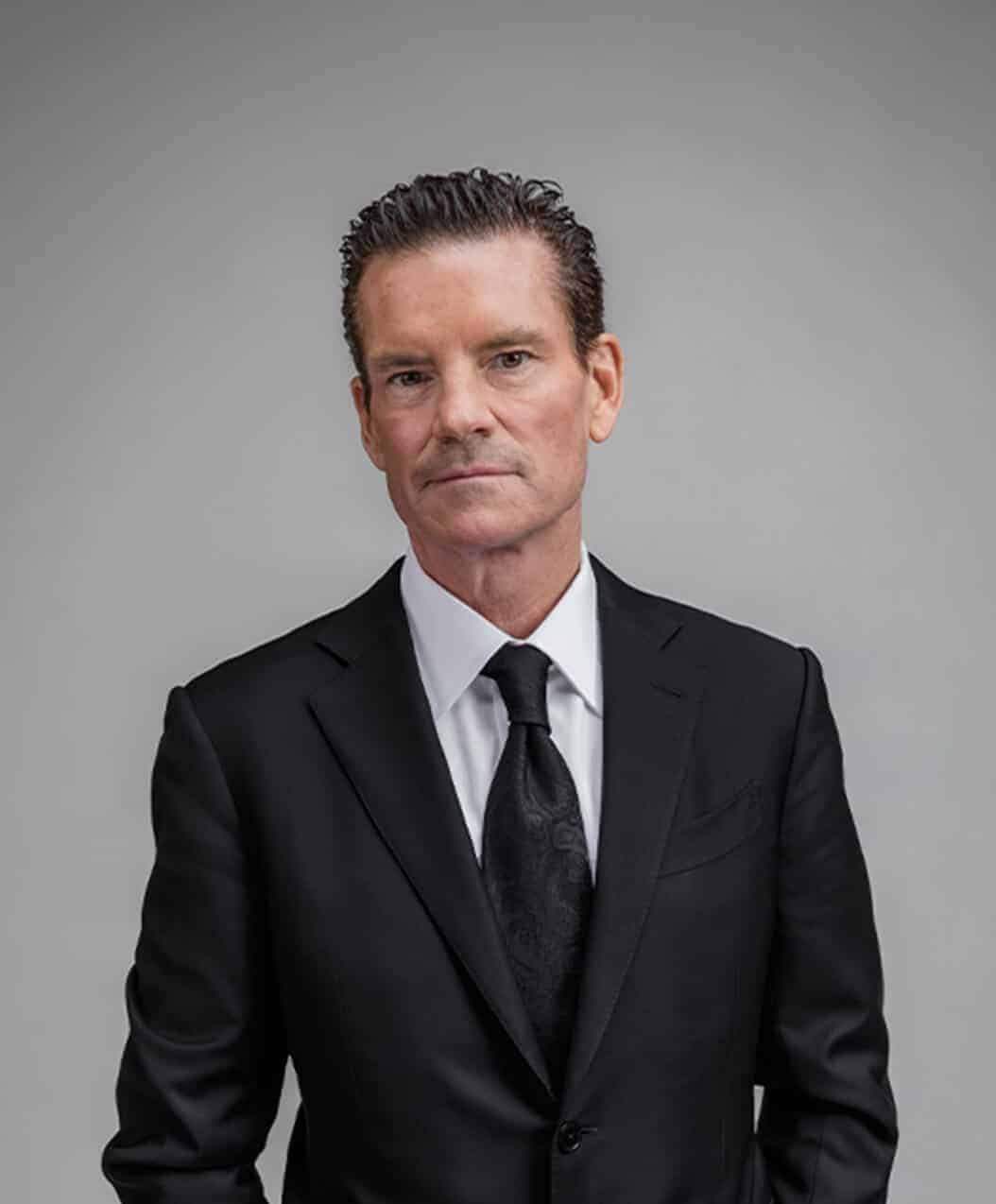
Dr. Stephen Mulholland, Md
Dr. Stephen Mulholland has been practicing plastic surgery for over 20 years. He is one of Canada’s most renowned and best plastic surgeons in Toronto with his wealth of experience, artistry, and humbleness towards his patients.
View Dr. Mulholland’s Profile View Dr. Mulholland’s Wikipedia