August 7th, 2026
Dr. Mulholland, Md
Recovery is an important part of every plastic surgery journey. While much of the focus is often placed on the procedure itself, healing takes time and plays a significant role in your overall experience and results.
One of the most common questions patients ask is, “How long will recovery take?” The answer depends on the procedure, your overall health, and how your body heals. Every patient follows a different timeline, but understanding the general stages of recovery can help you prepare for the weeks ahead.
Knowing what to expect also helps you plan for time away from work, arrange support at home, and approach recovery with realistic expectations.
Every Recovery Experience Is Unique
No two patients heal the same way.
The type of procedure you have is one of the biggest factors affecting recovery, but several other factors also influence the healing process, including:
- Your overall health
- Age
- Nutrition
- Smoking status
- Activity level
- How closely post-operative instructions are followed
- Your body’s natural healing response
Because of these differences, it’s normal for recovery timelines to vary from person to person. Your surgeon will provide instructions that are specific to your procedure and individual needs.
The First 24 Hours After Surgery
The first day after surgery is focused on rest and allowing your body to begin healing.
Depending on the procedure, you may experience:
- Mild to moderate discomfort
- Swelling
- Bruising
- Fatigue
- Tightness around the treatment area
- Temporary drainage from incision sites
If you received general anesthesia or sedation, you’ll need someone to drive you home and, in many cases, stay with you during the first night.
Your surgeon may also recommend wearing compression garments or surgical dressings to help support healing and reduce swelling.
During this stage, getting plenty of rest, staying hydrated, and following your post-operative instructions are your top priorities.
Week One
The first week is often when swelling and bruising become most noticeable.
Although this can be discouraging for some patients, these changes are a normal part of the healing process. Many people begin noticing gradual improvement toward the end of the week.
During this time, your surgeon may schedule a follow-up appointment to evaluate your healing and answer any questions you have.
Patients are often encouraged to:
- Take medications as directed
- Walk for short periods if recommended
- Avoid heavy lifting
- Keep incision sites clean and dry
- Wear compression garments if instructed
- Get plenty of rest
Even if you’re feeling better, it’s important not to rush back into normal activities before receiving clearance from your surgeon.
Weeks Two Through Four
Many patients begin feeling more like themselves during this stage of recovery.
Bruising often continues to fade, and swelling gradually decreases. Daily activities may become more comfortable, although healing is still taking place beneath the surface.
Depending on your procedure and the type of work you do, your surgeon may clear you to return to work during this period.
Light walking and gentle movement are often encouraged, but strenuous exercise, heavy lifting, and high-impact activities are usually postponed until your provider determines it is safe.
Although early improvements become more noticeable, it is common for some swelling to remain.
Months One Through Three
As healing continues, many patients begin to see a clearer picture of their results.
Swelling continues to improve, tissues settle into place, and treated areas often begin looking more natural.
Patients who have been gradually increasing their activity level may receive clearance to resume their regular exercise routine, depending on the procedure performed and their recovery progress.
Healing continues beneath the surface throughout this stage, even when you feel fully recovered.
Patience remains important, as final results often continue developing over the following months.
Scar Healing Takes Time
Incisions begin healing immediately after surgery, but scar maturation is a much longer process.
During the first several months, scars may appear darker, firmer, or more noticeable before gradually softening and fading.
Your surgeon may recommend specific scar care techniques based on your procedure and healing progress. Protecting healing incisions from sun exposure is also an important part of scar management.
Many scars continue improving for up to a year or longer.
Tips for a Smoother Recovery
Healing after plastic surgery takes time, but there are several things you can do to support the recovery process.
One of the most important steps is following the instructions provided by your surgical team. Those recommendations are based on your procedure, medical history, and individual needs.
Many patients also benefit from healthy daily habits such as:
- Staying hydrated
- Eating a balanced diet with adequate protein
- Getting enough sleep each night
- Taking medications as directed
- Attending follow-up appointments
- Avoiding nicotine products during recovery
Small, consistent choices throughout recovery can help support your body’s natural healing process.
Returning to Daily Activities
As you begin feeling better, it can be tempting to return to your normal routine as quickly as possible. Giving your body enough time to heal is an important part of protecting your results.
Many patients can return to desk work within a week or two, depending on the procedure and their recovery progress. Jobs that involve lifting, repetitive movement, or physical labor often require additional recovery time.
Your surgeon will let you know when it is appropriate to resume driving, exercise, and other daily activities. Waiting for medical clearance helps reduce unnecessary strain on healing tissues.
Returning to Exercise
Exercise is an important part of a healthy lifestyle, but your body needs time to recover after surgery.
Light walking is often encouraged early in the recovery process because it promotes circulation and gentle movement. More strenuous activities should wait until your provider determines that healing has progressed enough to increase your activity level safely.
Returning to exercise too soon can place unnecessary stress on healing tissues and may increase swelling or discomfort.
As you recover, your provider will help you gradually return to your normal routine at a pace that supports your healing.
When to Contact Your Surgeon
Your surgical team will provide detailed instructions about what to expect during recovery and when to reach out with questions.
While swelling, bruising, and temporary discomfort are common parts of healing, you should contact your provider if something doesn’t seem right or if your symptoms change unexpectedly.
Open communication is an important part of your care. Asking questions early can provide reassurance and help address concerns before they become more significant.
Healing Takes Time
One of the most important parts of recovery is allowing yourself the time to heal.
Many patients begin noticing improvements within the first several weeks, but healing continues long after bruising and swelling have improved. Internal tissues continue to recover, scars gradually mature, and final results become more apparent over time.
It is normal for your appearance to change gradually throughout the healing process. Keeping realistic expectations and focusing on steady progress can make recovery feel more manageable.
Recovery Is Part of Your Surgical Journey
Preparing for surgery is important, but recovery is where your body does the work of healing. Giving yourself time to rest, following your post-operative instructions, and attending follow-up appointments all contribute to a successful recovery.
Every patient’s experience is unique, and your surgeon will provide guidance based on your procedure and individual needs. Understanding the general stages of healing can help you feel more prepared and confident throughout the recovery process.
If you’re considering plastic surgery, the team at TPS Wellness Centre can answer your questions, explain what recovery may involve, and help you develop a treatment plan that fits your goals and lifestyle.
Frequently Asked Questions
How long does it take to recover from plastic surgery?
Recovery depends on the procedure and the individual patient. Many people return to light daily activities within a few weeks, while complete healing and final results may continue to develop over several months.
When can I go back to work after plastic surgery?
The timing varies based on the type of procedure and the physical demands of your job. Your surgeon will let you know when it is appropriate to return to work based on your recovery.
How long will swelling last after surgery?
Swelling is usually most noticeable during the first week and gradually improves over the following weeks. Mild swelling may continue for several months, depending on the procedure.
When can I start exercising again?
Light walking is often recommended early in recovery. More strenuous exercise should wait until your surgeon confirms that it is safe to resume those activities.
How long do plastic surgery scars take to fade?
Scars continue to mature over time. Many become softer and less noticeable during the first year, although the exact timeline varies from person to person.
What can I do to support a smoother recovery?
Following your surgeon’s instructions, staying hydrated, eating nutritious meals, getting enough rest, avoiding nicotine, and attending follow-up appointments can all help support the healing process.
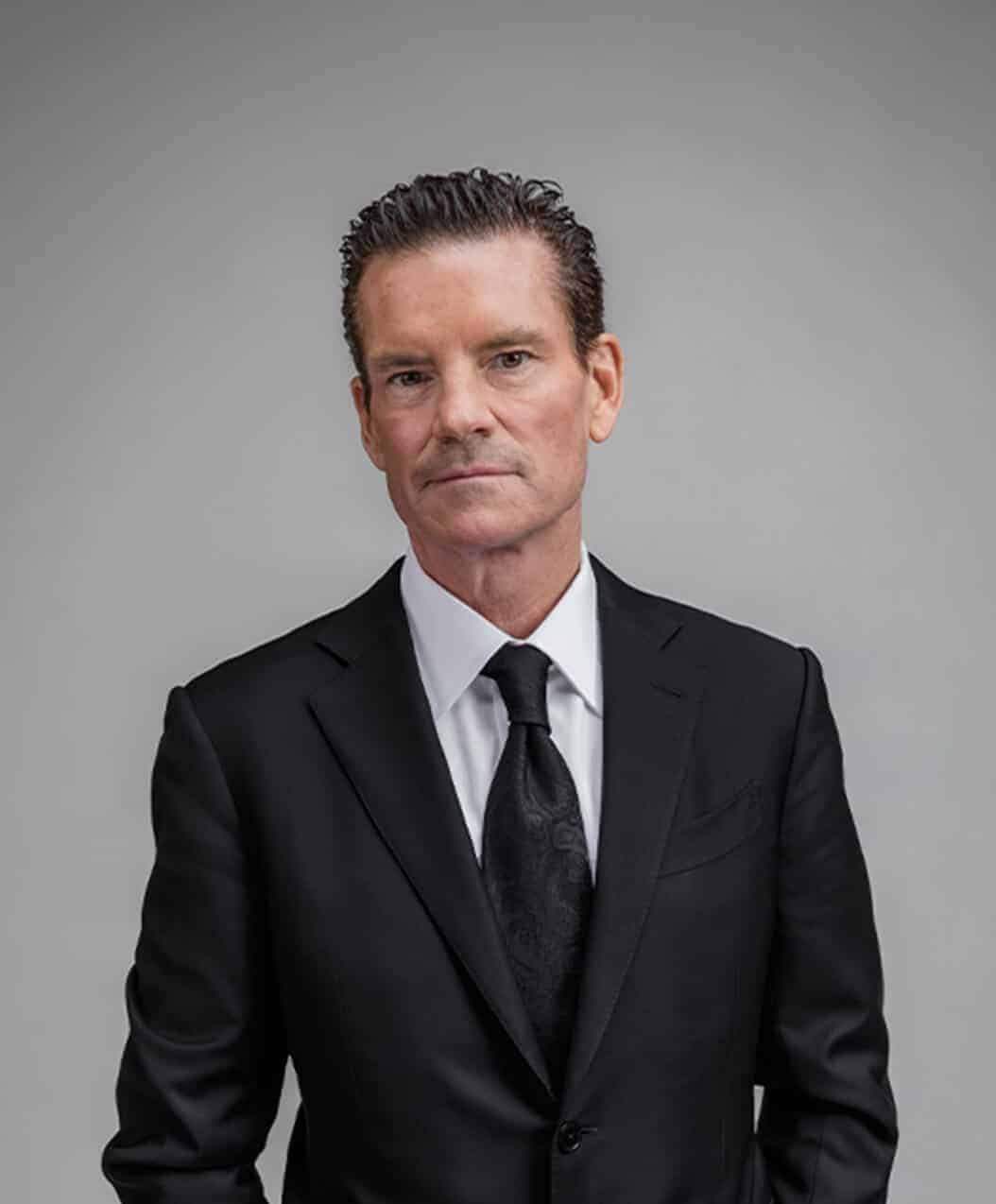
Dr. Stephen Mulholland, Md
Dr. Stephen Mulholland has been practicing plastic surgery for over 20 years. He is one of Canada’s most renowned and best plastic surgeons in Toronto with his wealth of experience, artistry, and humbleness towards his patients.
View Dr. Mulholland’s Profile View Dr. Mulholland’s Wikipedia