July 13th, 2026
Dr. Mulholland, Md
If you’ve lost weight but noticed some parts of your body haven’t changed much, you’re not alone. Many people see their face, arms, or chest get leaner, but fat around the belly, hips, thighs, or under the chin can be harder to lose.
This can be frustrating, especially if you’re eating well and staying active. The good news is that it’s very common and not just about willpower. Genetics, hormones, age, and your body’s natural fat storage all affect where fat shows up and where it’s hardest to lose.
Learning why stubborn fat develops can help you set realistic goals and look into treatment options if healthy habits aren’t enough.
What Is Stubborn Fat?
Stubborn fat refers to localized fat deposits that are particularly resistant to traditional weight-loss efforts.
When you eat fewer calories and exercise, your body uses stored fat for energy. But it doesn’t pick which area to burn fat from based on your workouts or where you want to lose weight. Fat comes off according to your body’s natural patterns.
This means some areas lose fat quickly, while others hold onto it longer or may still look fuller even after you reach a healthy weight.
Why Does the Body Store Fat Differently?
Everyone’s body stores fat differently. Many factors affect where stubborn fat shows up.
Genetics
Genetics play one of the biggest roles in body shape and fat distribution.
Some people naturally have more fat around their belly, while others carry it in their hips, thighs, buttocks, or upper arms. These patterns often run in families and are mostly out of your control.
Healthy habits can lower your overall body fat, but they can’t change your genes.
Hormones
Hormones also influence where fat is stored.
For example, women often gain fat around the hips and thighs during their reproductive years, while men usually carry extra fat around the belly.
As hormone levels change with age, pregnancy, or menopause, fat distribution may shift as well, making certain areas more difficult to reduce through lifestyle changes alone.
Age and Metabolism
As we age, our bodies naturally change.
Muscle mass slowly goes down, metabolism slows, and your body changes. This can make it easier to gain fat and harder to lose it, even if your eating and exercise habits stay the same.
Keeping up with strength training, regular activity, and balanced nutrition can help you stay healthy, but age still affects where your body stores fat.
The Most Common Areas of Stubborn Fat
Some parts of the body are known for being tough to slim down with diet and exercise.
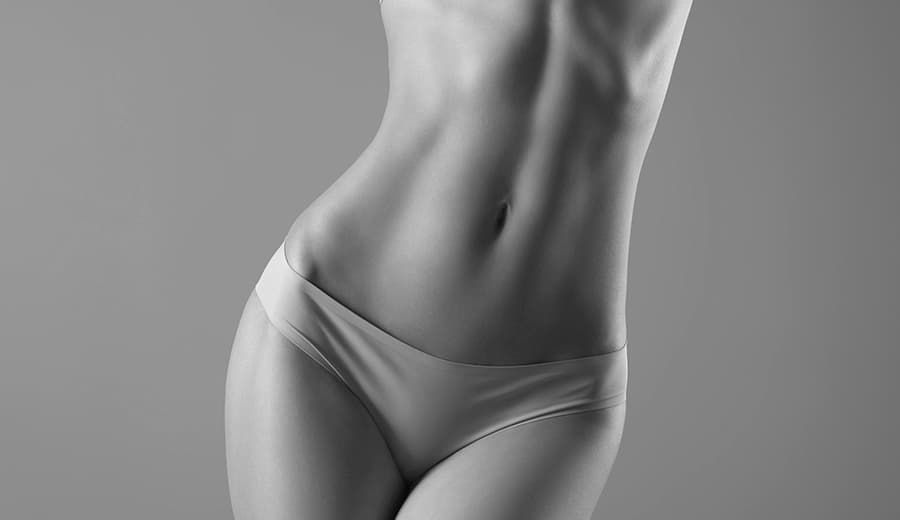
Belly Fat
The belly is one of the most common places for stubborn fat.
For many, belly fat is affected by genetics, hormones, stress, and age. Even after losing a lot of weight, a small amount of belly fat can stick around.
Love Handles
Fat along the sides of the waist, often called love handles, is another common concern.
These fat deposits can be particularly difficult to lose because they tend to be one of the body’s preferred storage areas.
Thighs and Hips
Women frequently notice stubborn fat around the hips, outer thighs, and inner thighs.
These areas usually lose fat more slowly due to hormones and natural fat distribution patterns.
Upper Arms
The upper arms can keep extra fat even after you lose weight overall.
Sometimes, extra skin can also make the arms look fuller, especially after losing a lot of weight.
Under the Chin
A double chin isn’t always caused by body weight.
Genetics can contribute to fat beneath the chin, meaning even individuals at a healthy weight may notice fullness in this area.
Can You Target Fat Loss in Specific Areas?
Many people assume that doing hundreds of crunches will eliminate belly fat or that arm exercises will specifically burn fat from the upper arms.
Unfortunately, that’s not how fat loss works.
The Truth About Spot Reduction
Spot reduction is one of the biggest fitness myths.
While targeted exercises strengthen the muscles beneath a specific area, they don’t force the body to burn fat from that area.
Instead, fat loss occurs throughout the body, depending on genetics, hormone levels, and overall body composition.
What Exercise Can Do
You can’t pick where your body loses fat first, but exercise is still important for improving your body shape.
Regular physical activity can:
- Build lean muscle
- Improve strength
- Increase calorie expenditure
- Support overall fat loss
- Create better body definition
When you combine exercise with good nutrition, it’s still one of the best ways to improve your health and body shape.
When Diet and Exercise Aren’t Enough
Healthy eating and regular exercise should always be the starting point for any body contouring plan.
Still, many people reach a point where they keep a healthy weight but have stubborn fat in certain spots that won’t go away.
This doesn’t mean you’ve failed. It just shows how your body naturally stores fat.
If you’re close to your goal weight but want to improve your body shape, body-contouring treatments can help target stubborn areas.
Treatment Options for Stubborn Fat
The right treatment depends on your body, your goals, and what you want to improve.
Evolve X
Evolve X is a non-surgical body contouring treatment that combines radiofrequency energy and electrical muscle stimulation to tighten skin, reduce localized fat, and improve muscle definition.
It can be a good choice for people who want gradual body contouring without surgery or recovery time.
Liposuction
Liposuction is meant to remove fat in certain areas that won’t go away despite a healthy lifestyle.
Remember, liposuction isn’t for weight loss. It’s for shaping certain areas by removing stubborn fat that doesn’t respond to diet and exercise.
Other Body Contouring Options
Depending on your goals, your provider might suggest other surgical or non-surgical body contouring options.
The best treatment depends on things like your skin, where your body stores fat, your health, and the results you want.
A personal consultation is the best way to find out which approach is right for you.
FAQs
Why is belly fat so hard to lose?
Belly fat is influenced by genetics, hormones, age, and overall body composition. While diet and exercise can reduce body fat, the abdomen is often one of the last areas to become leaner.
Can exercise get rid of stubborn fat?
Exercise supports overall fat loss and improves muscle tone, but it cannot target fat loss in one specific area.
What is the best treatment for stubborn fat?
The right treatment depends on your goals, anatomy, and the amount of localized fat present. Some patients benefit from non-surgical body contouring, while others may be better candidates for liposuction.
Is liposuction permanent?
Liposuction permanently removes treated fat cells. However, maintaining a stable weight is important because remaining fat cells can still enlarge with future weight gain.
Does Evolve X remove fat?
Evolve X is designed to reduce localized fat while also improving skin firmness and muscle tone. Results develop gradually and are intended for body contouring rather than weight loss.
Explore Your Body Contouring Options
Many people deal with stubborn fat, even after making healthy changes. Diet and exercise are important for health, but genetics, hormones, and natural fat patterns can make some areas harder to change.
If you’re near your goal weight but still have stubborn fat, body-contouring treatments can help you achieve a more balanced, sculpted look. Book a consultation with TPS Wellness Centre, we create personalized plans based on your body, goals, and lifestyle to help you find the best options.

Dr. Stephen Mulholland, Md
Dr. Stephen Mulholland has been practicing plastic surgery for over 20 years. He is one of Canada’s most renowned and best plastic surgeons in Toronto with his wealth of experience, artistry, and humbleness towards his patients.
View Dr. Mulholland’s Profile View Dr. Mulholland’s Wikipedia