September 22nd, 2026
Dr. Mulholland, Md
Before-and-after photos are among the most useful tools for researching plastic surgery. They can show how a procedure may change a specific area and give you a sense of the surgeon’s approach.
They can also make it easy to assume that your own results will look the same.
Every patient begins with different anatomy, skin quality, proportions, and goals. Healing also varies from person to person. These differences affect how cosmetic surgery results develop and why two people who undergo the same procedure may have noticeably different outcomes.
Knowing these factors can help you approach treatment with realistic expectations and use before-and-after photos as a reference rather than a prediction.
Every Patient Starts From a Different Place
Your starting point influences plastic surgery results.
Even when two patients share the same concern, the underlying anatomy may be different. Someone seeking a facelift may have more skin laxity through the jawline, while another patient may have greater volume loss or changes through the neck.
The same idea applies to body procedures. Fat distribution, muscle tone, skin elasticity, and body proportions can all affect how a treatment changes your appearance.
Anatomy and Proportions
Facial structure and body proportions vary considerably from one person to another.
Bone structure, soft tissue, fat distribution, and muscle support all influence the appearance of an area before treatment. These features also affect the type of change that may be possible with a procedure.
Your provider considers these details during a consultation before recommending a treatment plan.
Skin Quality and Elasticity
Skin quality plays an important role in many cosmetic procedures.
Skin with good elasticity may respond differently from skin with more advanced laxity or significant sun damage. Collagen levels, skin thickness, and previous weight changes may also affect how tissues behave during and after treatment.
This is one reason providers evaluate the skin itself rather than making recommendations based solely on age.
Degree of Aging
Two people of the same age may show very different signs of aging.
Genetics, sun exposure, lifestyle habits, and natural changes in collagen all influence how the face and body age over time. One patient may have mild laxity and fine lines, while another has more noticeable tissue descent or changes in facial volume.
These differences help guide treatment recommendations and expected outcomes.
Overall Health
Your general health also matters.
Medical conditions, medications, circulation, and other health factors can affect treatment planning and recovery. Your surgeon will review your medical history during your consultation and may request additional information or testing before surgery.
Being open about your health helps your provider plan treatment safely and set appropriate expectations.
Healing Is Different for Everyone
The healing process plays a major role in how plastic surgery results develop.
Swelling, bruising, tenderness, and short-term changes in appearance are common during recovery. The amount and duration of these effects vary by procedure and by patient.
Swelling and Bruising
Some patients experience more swelling than others, even after the same surgery.
Swelling can also resolve at different rates. One person may see significant improvement within a few weeks, while another continues to notice mild swelling for several months.
Bruising follows a similar pattern. The extent of bruising depends on the procedure, individual healing response, and other factors such as medications or tissue sensitivity.
Scar Healing
Scars also develop differently from person to person. Genetics, skin type, incision location, sun exposure, and aftercare can all influence how scars mature. Some scars fade quickly, while others remain more noticeable for longer periods.
Scar maturation is gradual and can continue for a year or longer.
Recovery Timelines
Feeling better does not always mean the body has finished healing.
Internal tissues may continue to recover after you return to work and normal daily activities. Your results frequently become more refined as swelling decreases and tissues settle into their new position.
This is why comparing your recovery timeline to someone else’s can be misleading. Your surgeon can give you a more realistic estimate based on the procedure and your individual progress.
Lifestyle Habits Can Influence Results
Lifestyle habits can support healing and long-term skin health. They are only one part of the overall outcome, but they can still make an important difference.
Smoking
Smoking can affect circulation because nicotine causes blood vessels to narrow. Reduced blood flow can interfere with tissue healing and may increase the risk of certain surgical complications.
Your surgeon may ask you to stop smoking and using nicotine products for a specific period before and after surgery. Follow the timeline provided by your surgical team.
Smoking can also contribute to collagen breakdown and visible skin aging over time.
Alcohol Consumption
Alcohol can affect the body in several ways that may be relevant around the time of surgery.
It can contribute to dehydration and may interact with certain medications. Heavy alcohol use can also affect general health and may influence recovery.
Your surgeon may ask you to avoid alcohol for a period before and after your procedure. Be honest about your typical alcohol intake during your consultation so your care team can give you appropriate guidance.
Sun Exposure
Repeated UV exposure can affect skin quality by contributing to collagen breakdown, pigmentation changes, and premature aging.
After cosmetic treatments or surgery, healing skin may be more sensitive to sunlight. Protecting the treated area and following your provider’s sun-care instructions can help support recovery and long-term skin health.
Nutrition and Hydration
Good nutrition gives the body access to nutrients involved in normal tissue repair.
Adequate protein is especially important during healing, while a varied diet can provide vitamins, minerals, and healthy fats that support general health.
Hydration matters as well. Maintaining adequate fluid intake can support normal bodily functions and help prevent dehydration during recovery.
Your surgical team will give you specific instructions about eating and drinking before your procedure, especially if anesthesia is involved.
Exercise
Routine physical activity supports cardiovascular health, strength, and overall wellness.
After surgery, you will need to adjust your exercise routine temporarily. Your surgeon will let you know when you can begin light movement and when it is safe to return to more strenuous exercise.
Following those recommendations can help protect healing tissues and support a gradual return to your normal activity level.
Following Post-Operative Instructions
Your surgeon’s instructions are an important part of the recovery process.
These may include guidance about wound care, medications, compression garments, activity restrictions, sleep position, and follow-up appointments.
Following your personalized instructions helps your surgical team monitor healing and manage any concerns as they arise.
The Procedure Is Only One Part of the Outcome
Choosing an appropriate procedure is important, but the treatment itself is only one factor that shapes your final result.
Your starting anatomy, skin quality, healing response, recovery, and long-term maintenance all contribute to the outcome. This is why two patients can undergo the same procedure and have results that look different while still achieving an improvement that suits their individual features.
The specific treatment selected also matters. Different procedures are designed to address different concerns. A facelift, for example, addresses signs of aging differently than a non-surgical skin treatment. Choosing an option that is suited to the underlying concern helps create a treatment plan that makes sense for the individual patient.
In some cases, one procedure may not address everything a patient would like to improve. Combining treatments can address different concerns as part of a more comprehensive plan.
A patient undergoing facial surgery, for instance, may also be interested in a treatment that focuses on skin texture or quality. Your provider can explain whether combining or staging treatments may be appropriate based on your goals and recovery needs.
How to View Before-and-After Photos
Before-and-after plastic surgery photos can be extremely helpful during your research. The key is knowing what information they can realistically provide.
Start by looking for patients whose concerns or starting points are somewhat similar to yours. If you are researching a facelift because of lower facial laxity, photos of patients who began with a similar concern may be more useful than choosing results based solely on the final appearance you like best.
Pay attention to the type of improvement achieved rather than expecting to reproduce another patient’s appearance.
Every person’s facial structure, body proportions, skin, and tissues are unique. Even patients with similar concerns may respond differently to the same procedure.
Before-and-after photos can also be useful during your consultation. If a particular result catches your attention, show it to your provider and explain what you like about it. This can help communicate your appearance preferences and give your provider a better understanding of your goals.
You can also ask to see examples of patients with concerns similar to your own. Your provider can explain what aspects of those results may be relevant to your anatomy and what you can reasonably expect from treatment.
The Importance of Realistic Expectations
Having realistic expectations does not mean lowering your expectations. It means understanding what a procedure is designed to accomplish and how your individual characteristics may influence the outcome.
Cosmetic procedures can improve specific concerns and create changes that complement your natural features. The degree of improvement depends on the procedure, your starting point, and how your body responds.
It is also important to understand the limitations of a treatment before deciding to move forward.
A non-surgical procedure may improve certain aspects of skin quality or mild laxity without providing the same degree of correction as surgery. A surgical procedure can create more significant structural changes, although it cannot stop the natural aging process.
Your results will also develop over time. Early swelling can temporarily change the appearance of the treated area, and tissues may need weeks or months to settle. Scars continue to mature after the initial recovery period.
Giving your body enough time to heal gives a clearer picture of your final plastic surgery results.
Your Consultation Helps Build the Right Plan
A consultation allows your provider to look beyond the procedure you may have found during your research and evaluate what is happening in the area you would like to address.
The conversation usually begins with your goals. You can explain what you would like to change, how long the concern has bothered you, and what kind of result you hope to achieve. Your provider can then evaluate your anatomy and other factors that may influence treatment. This may include skin quality, elasticity, tissue distribution, proportions, and the degree of change in the treatment area.
Recovery is another important part of the discussion. Your provider can explain how much downtime may be involved, when you may be able to return to work, and what restrictions you can expect as you heal. This is also your opportunity to ask questions. If you have been looking at before-and-after photos or researching a specific procedure, bring those questions with you.
After considering your anatomy, health, concerns, and expectations, your provider can recommend personalized plastic surgery options that may be appropriate for you.
The goal is to give you the information you need to make an informed decision and understand what your individual treatment and recovery may involve.
Your Results Should Be Personal to You
Plastic surgery is highly individual. Your anatomy, skin quality, healing response, lifestyle, and goals all influence your experience and outcome.
That individuality is also why someone else’s results should be viewed as a reference rather than a template for your own.
Before-and-after photos can help you explore possibilities and identify the types of changes you like. A consultation provides the personal context those photos cannot. Your provider can assess your starting point, discuss what a procedure can realistically accomplish, and develop a treatment plan around your needs.
If you are considering cosmetic surgery, schedule a consultation with Toronto Plastic Surgeons Wellness Centre to discuss your concerns, ask questions, and learn which treatment options may be appropriate for your goals.
FAQ
Why do plastic surgery results vary from person to person?
Every patient has different anatomy, skin quality, elasticity, health factors, and cosmetic goals. People also heal at different rates. These factors can influence how a procedure looks during recovery and once the final results have developed.
Can I expect the same results as someone in a before-and-after photo?
No before-and-after photo can predict your exact outcome. Photos can help you understand the types of changes a procedure may produce and communicate your preferences during a consultation.
Your provider can evaluate your anatomy and explain what may be realistic for you based on your individual starting point.
Does healing affect my final results?
Yes. Swelling, scar maturation, and tissue healing all influence how results develop after plastic surgery.
The treated area may change considerably throughout recovery. Some results become visible relatively early, while other changes continue to develop as swelling decreases and tissues settle.
How long does it take to see final plastic surgery results?
The timeline depends on the procedure and your individual healing response. Initial swelling and bruising may improve within the first several weeks, while residual swelling and tissue changes can continue for months.
Your surgeon can offer a more specific timeline based on your procedure and monitor your progress during follow-up appointments.
Can lifestyle habits affect cosmetic results?
Lifestyle habits can influence skin health, healing, and long-term maintenance. Smoking, alcohol consumption, sun exposure, nutrition, hydration, exercise, and adherence to post-operative instructions may all be relevant at different stages of treatment and recovery.
Lifestyle is only one part of the outcome. Anatomy, the procedure performed, and your individual healing response also play important roles.
Why is a consultation important before plastic surgery?
A consultation allows your provider to evaluate your anatomy, review your health history, and understand your goals before recommending a procedure.
It also gives you time to discuss recovery, review plastic surgery expectations, ask questions, and learn what may realistically be achieved based on your individual needs.
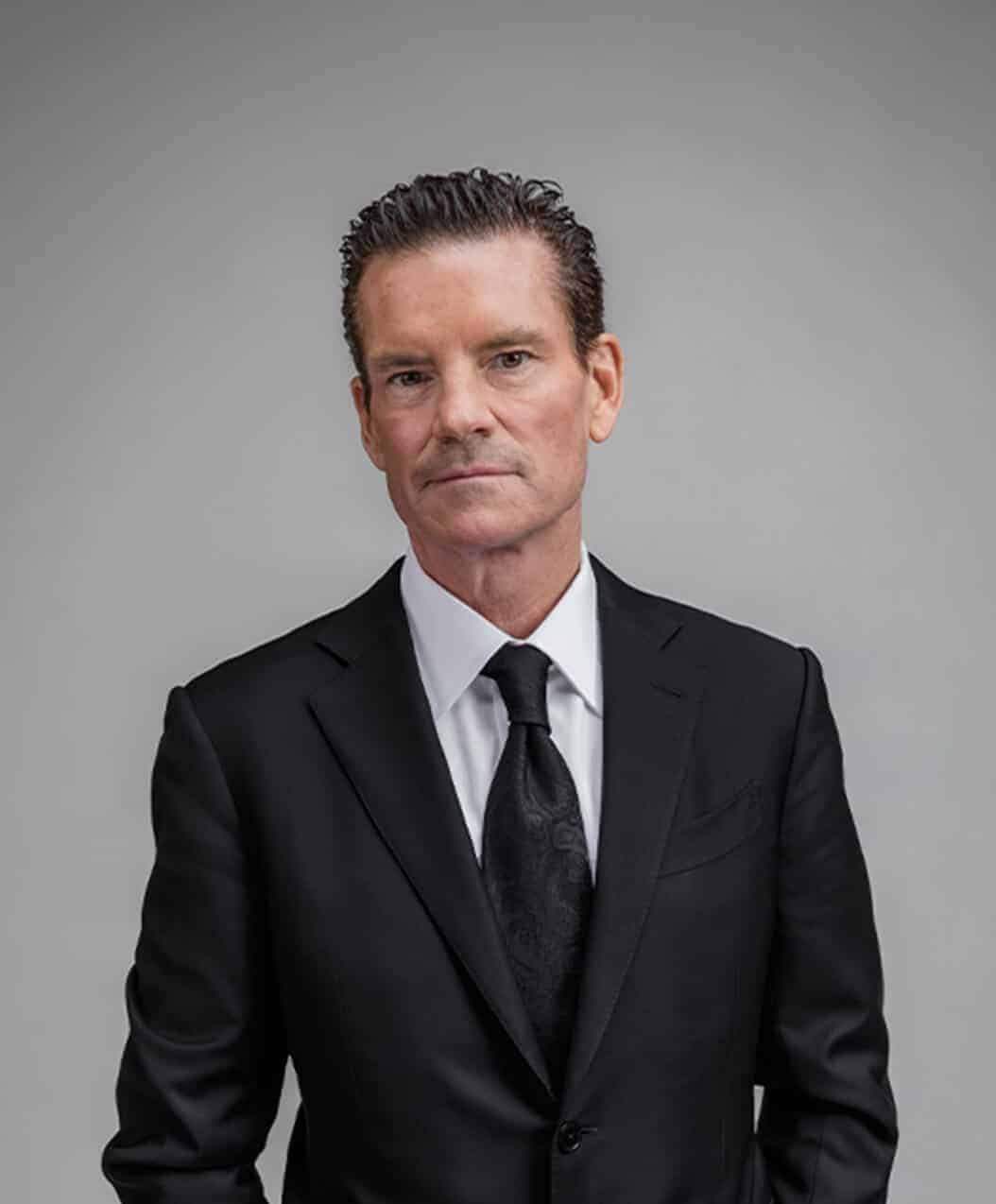
Dr. Stephen Mulholland, Md
Dr. Stephen Mulholland has been practicing plastic surgery for over 20 years. He is one of Canada’s most renowned and best plastic surgeons in Toronto with his wealth of experience, artistry, and humbleness towards his patients.
View Dr. Mulholland’s Profile View Dr. Mulholland’s Wikipedia