July 13th, 2026
Dr. Mulholland, Md
Low testosterone often develops slowly, so changes in energy, mood, strength, or sex drive can be easy to overlook or blame on aging or daily stress.
Testosterone naturally drops as men age, but low levels can affect more than just sexual health. This hormone also impacts muscle, bone strength, mood, energy, sleep, and overall well-being.
Learning about low testosterone can help you figure out if your symptoms are related and when to talk to a doctor.
What Is Low Testosterone?
Low testosterone, or hypogonadism, happens when the body does not make enough testosterone for normal health.
Testosterone levels usually start to drop slowly after age 30, about 1% each year. If levels fall too low, men may notice symptoms that affect their daily life.
Only a blood test can show if your testosterone levels are actually low.
Effects of Low Testosterone on Sexual Health
Low testosterone is well known for causing changes in sexual health.
Common symptoms include:
- Reduced sex drive (low libido)
- Difficulty achieving or maintaining erections
- Decreased sexual satisfaction
- Fertility challenges related to reduced sperm production
Erectile dysfunction can have many causes, and low testosterone is sometimes one of them. Since these symptoms can be linked to other health issues, it is important to get checked before starting treatment.
Physical Effects of Low Testosterone
Testosterone affects many parts of the body, so low levels can cause different physical changes over time.
Loss of Muscle Mass and Strength
Testosterone helps keep muscles strong and supports muscle growth.
When testosterone drops, some men find it harder to stay strong, even if they keep exercising. Muscles may take longer to recover, and workouts might not feel as easy as before.
Increased Body Fat
Low testosterone can also change how your body stores fat and muscle.
Some men gain weight more easily, especially around the belly, and have a harder time keeping or building muscle. This can happen even if their diet stays the same.
Decreased Bone Density
People often overlook bone health, but testosterone is important for keeping bones strong.
If low testosterone is not treated, it can lower bone density over time and raise the risk of fractures and osteoporosis as you get older.
Hair Loss and Changes to Body Hair
Testosterone also affects how facial and body hair grows.
Some men see slower beard growth, thinner body hair, or changes in where hair grows when testosterone drops. These changes can be different for everyone and are also affected by genetics.
Effects of Low Testosterone on Sleep
Low testosterone and sleep problems often happen together.
Some men experience:
- Persistent fatigue
- Difficulty falling asleep
- Frequent nighttime waking
- Feeling tired despite getting a full night’s sleep
Poor sleep can make hormone problems worse, and hormone changes can also cause sleep issues. This cycle is hard to break unless the main cause is found.
Emotional and Cognitive Effects of Low Testosterone
Low testosterone does not just cause physical symptoms.
Many men report emotional or mental changes, including:
- Irritability
- Low mood
- Reduced motivation
- Difficulty concentrating
- Brain fog
- Decreased confidence
It is easy to mistake these symptoms for stress, burnout, or depression. That is why seeing a doctor for a full checkup is important.
Could Something Else Be Causing These Symptoms?
Many symptoms of low testosterone are also seen in other health problems.
For example, fatigue, weight gain, and low mood may also be linked to:
- Thyroid disorders
- Diabetes
- Sleep apnea
- Certain medications
- Chronic stress
- Depression
- Natural aging
Because symptoms can overlap, do not try to diagnose yourself. A blood test is the best way to find out if low testosterone is part of the problem.
How Low Testosterone Is Diagnosed
To diagnose low testosterone, your doctor will talk with you about your symptoms, medical history, and general health.
If your doctor thinks you might have low testosterone, they will usually order a blood test. Since hormone levels fluctuate throughout the day, the test is often done in the morning, when testosterone is highest.
Sometimes, more blood tests are needed to find out why testosterone is low or to rule out other health issues.
Treatment Options for Low Testosterone
Treatment depends on your symptoms, hormone levels, medical history, and overall health.
For some men, regular exercise, keeping a healthy weight, better sleep, and managing stress can help support healthy testosterone levels.
If you are diagnosed with low testosterone, your doctor may suggest testosterone replacement therapy (TRT). TRT can be given as injections, gels, patches, or small pellets under the skin, depending on what works best for you.
The best treatment plan is one that is tailored to you and made with your healthcare provider.
When to See a Specialist to Check Your Testosterone Levels
Many men think that being tired, less motivated, or less interested in sex is just part of aging. While hormones do change as you get older, ongoing symptoms should not be ignored.
If you have ongoing tiredness, low sex drive, muscle loss, mood changes, or other symptoms that affect your life, talking to a healthcare provider can help you find out if low testosterone is a factor.
At TPS Wellness Centre, we offer thorough evaluations in a supportive, judgment-free setting. If low testosterone is affecting you, we can help you learn about your options and create a treatment plan that fits your needs.
Taking the first step to understand your symptoms can help you start feeling like yourself again. Book a consultation today!
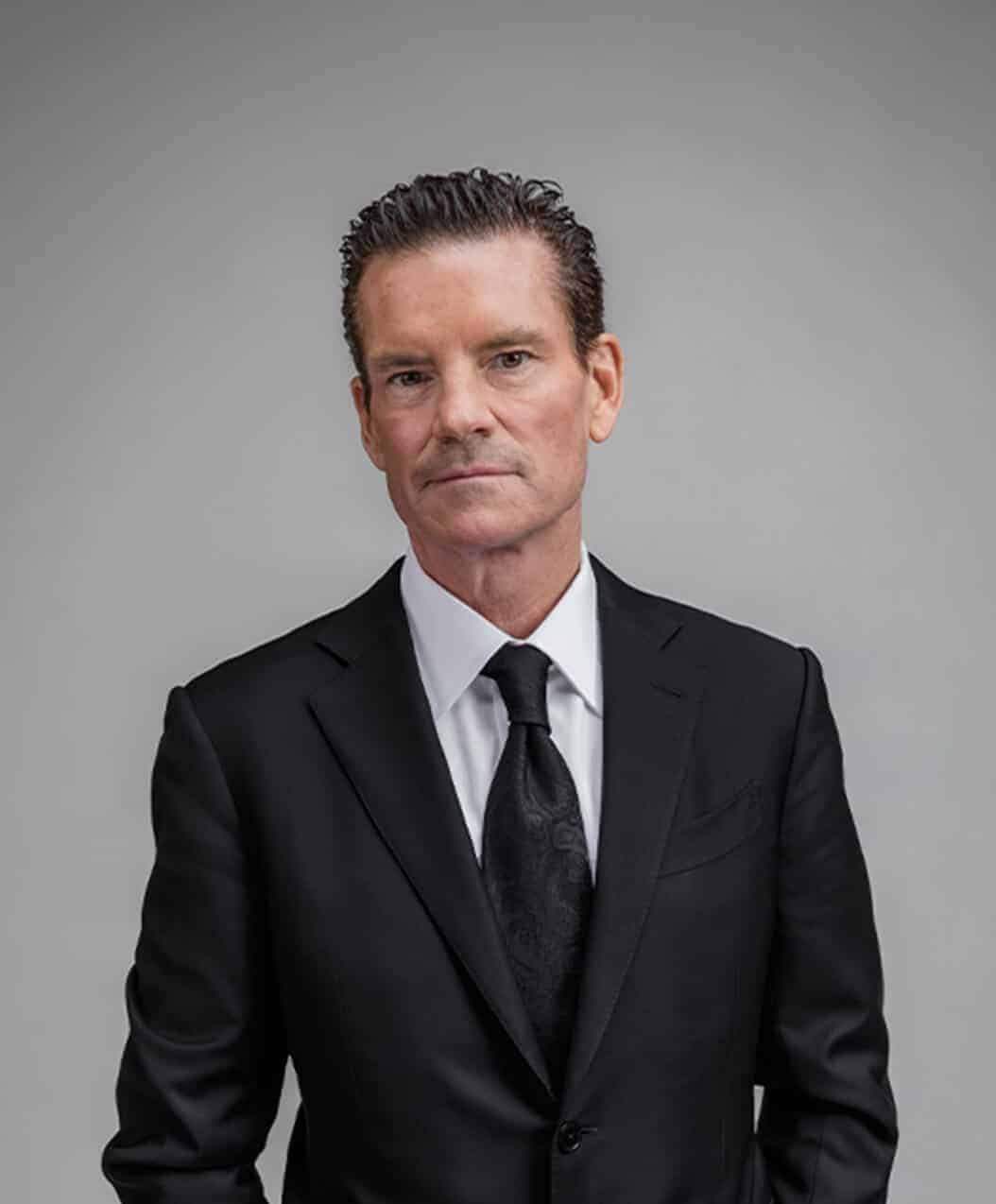
Dr. Stephen Mulholland, Md
Dr. Stephen Mulholland has been practicing plastic surgery for over 20 years. He is one of Canada’s most renowned and best plastic surgeons in Toronto with his wealth of experience, artistry, and humbleness towards his patients.
View Dr. Mulholland’s Profile View Dr. Mulholland’s Wikipedia