September 22nd, 2026
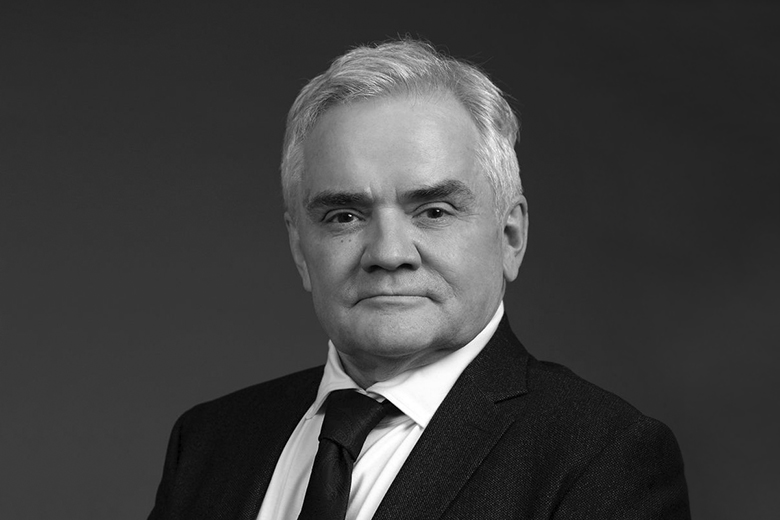
Dr. Mulholland, Md
Researching cosmetic procedures can quickly become overwhelming. There are surgical procedures, non-surgical treatments, skin treatments, body-contouring options, and new technologies emerging all the time. Even when you know what you would like to change, figuring out which treatment can help you get there may be difficult.
Some patients come to a cosmetic procedure consultation with a particular procedure already in mind. Others know how they want to look or feel but have no idea which treatment would be appropriate. Both are completely reasonable starting points.
A consultation gives you the chance to explain what you would like to address and learn about the cosmetic treatment options available to you. Your provider can evaluate your anatomy, skin quality, medical history, lifestyle, and expectations before discussing procedures that may suit your needs.
Start by Defining Your Goals
You do not need to know the name of a procedure before scheduling a plastic surgery consultation. It is helpful to begin by thinking about the changes you would like to see.
Cosmetic goals vary considerably from one patient to another. You may want smoother or firmer skin, more defined facial contours, or a refreshed appearance. Some patients want to tighten or lift loose skin. Others are bothered by features that make them look tired or older than they feel.
Body concerns can be just as specific. You may want to remove excess skin after weight loss, improve an area that has changed after pregnancy, or contour an area where fat has been difficult to reduce through diet and exercise. Breast size, shape, position, and proportion can also influence a patient’s decision to explore cosmetic surgery.
Thinking about the result you want gives your provider useful information. During an aesthetic consultation, you can discuss what bothers you, how long you have been considering treatment, and how noticeable you would like the change to be.
Photos can sometimes help communicate your preferences, particularly when describing facial rejuvenation options. They are best used to show your provider the general qualities you like. Your own anatomy will ultimately influence what can be achieved.
Surgical vs. Non-Surgical Treatments
Surgical and non-surgical treatments can address a wide range of cosmetic concerns. The experience, recovery, and type of improvement associated with each treatment can vary significantly.
Your provider can explain these differences during a surgical or non-surgical consultation and help you understand which options fit your goals.
Non-Surgical Cosmetic Treatments
Non-surgical treatments are often used to improve skin quality, stimulate collagen production, tighten specific areas, or contour the face and body. Many require less recovery time than surgery, making them easier to fit into a busy schedule.
Toronto Plastic Surgeons Wellness Centre offers several technologies that can be considered based on the area being treated and the type of improvement you are looking for.
Ellacor is designed to address skin laxity through micro-coring technology. Tiny skin cores are removed during treatment, allowing the skin to heal and contract over time. It may be considered for patients seeking to improve areas of loose skin without undergoing a traditional surgical procedure.
HIFU, or high-intensity focused ultrasound, delivers focused ultrasound energy below the skin’s surface. The treatment is used to support collagen production and gradual tightening in targeted areas.
CoolForm provides another non-surgical option for patients exploring body treatments. Your provider can assess the area you would like to address and explain whether this technology aligns with your body-contouring goals.
Contour Max can also be incorporated into a personalized body contouring plan. Treatment recommendations depend on the area, tissue characteristics, and the type of change you hope to achieve.
Toronto Plastic Surgeons Wellness Centre also offers treatments such as Morpheus8, which combines microneedling with radiofrequency energy to support collagen remodeling and improve skin texture and firmness.
Microneedling creates controlled micro-injuries that stimulate the skin’s natural repair process. Depending on your concerns, it may be performed on its own or with an add-on such as PRP or exosomes.
Tixel uses controlled thermo-mechanical energy to support skin rejuvenation and collagen production. It can be used for concerns such as fine lines, texture, pigmentation, and delicate areas around the eyes.
Non-surgical treatments often produce gradual changes as collagen remodels or the treated area responds. Some treatments are performed as a series, and maintenance may be recommended to help support results over time.
Surgical Cosmetic Procedures
Plastic surgery can address concerns involving excess skin, underlying tissue, fat distribution, breast shape or size, and facial aging. Recovery is generally longer because the body needs time to heal after an operation.
Facial surgery includes procedures such as a facelift, neck lift, eyelid surgery, and brow lift or forehead lift. The appropriate procedure depends on where changes are occurring. Someone who feels they consistently look tired may have concerns involving the eyelids or brow. A patient bothered by laxity through the lower face and neck may have different surgical options to discuss.
Body procedures include liposuction, tummy tuck (abdominoplasty), and Mommy Makeover surgery. These procedures address different aspects of body contouring, so the condition of the skin and underlying tissues plays an important role in determining which may be appropriate.
Patients exploring breast surgery may discuss breast augmentation, breast lift, or breast reduction. Toronto Plastic Surgeons Wellness Centre also offers gynecomastia or male breast reduction for appropriate candidates.
Fat transfer provides another option for certain cosmetic goals. Fat can be harvested from one area and used to add volume elsewhere, including the face, breasts, or buttocks.
Since these procedures accomplish different things, the name of a procedure alone does not tell you whether it will address your concern. Your surgeon will evaluate the relevant area and explain what each option can reasonably accomplish.
Consider Recovery and Your Lifestyle
Recovery deserves early consideration in the cosmetic surgery decision-making process. A treatment may align with your aesthetic goals, but you also need to understand how it will fit into your daily life.
Think about your work schedule and how much time you can comfortably take away. Family or caregiving responsibilities may require some planning, particularly if you will have lifting or activity restrictions. Patients who exercise regularly should also ask when they can safely return to their usual routine.
Upcoming vacations, weddings, work commitments, and other important events can influence timing. Swelling and bruising may improve before the body has completely healed, so planning enough recovery time before a major event can help reduce unnecessary stress.
Non-surgical treatments usually involve less downtime, although the amount varies by treatment and intensity. Surgical procedures require a more structured recovery period and may involve temporary restrictions on exercise, lifting, driving, or other activities.
Being open about your schedule during your consultation helps your provider give you a clearer picture of what treatment and recovery would look like in your everyday life.
Think About Your Long-Term Goals
It can be helpful to think beyond the changes you would like to see right now. Your skin, body, and priorities will continue to change over time, and your cosmetic treatment plan can evolve with them.
Some procedures provide results that can last for many years, although the natural aging process will continue. Changes in weight, pregnancy, sun exposure, and other lifestyle factors can also affect your appearance over time.
Non-surgical treatments may involve a different type of long-term planning. Certain treatments are performed as a series, while others may include occasional maintenance sessions. Your provider can explain the expected treatment schedule and what may be recommended to help maintain your results.
Healthy skin habits can also support your long-term goals. Consistent sun protection, appropriate skincare, good nutrition, and other healthy lifestyle choices can help protect your skin as it ages.
There may also be situations where combining treatments makes sense. A surgical procedure can address one concern while a non-surgical treatment focuses on skin quality or texture. Some surgical procedures may also be performed together when appropriate for the patient.
You do not need to map out years of cosmetic care during your first consultation. Understanding how a treatment fits into your future goals can help you make a more informed choice today.
Questions to Ask During Your Consultation
A cosmetic procedure consultation is your opportunity to learn about your options and ensure you understand the recommended treatment.
There are no wrong questions to ask. If something matters to you, bring it up during your appointment.
Questions you may want to ask include:
- What treatment best fits my concerns?
- What results can I realistically expect?
- How long will it take to see my results?
- What will recovery involve?
- How much time should I set aside from work?
- When can I return to exercise and other activities?
- Will I need maintenance treatments?
- Are there both surgical and non-surgical options for my concern?
- How long are the results expected to last?
- Could another procedure or treatment complement my results?
- What are the potential risks and side effects?
- What should I do to prepare for treatment?
You can also ask why a particular procedure is being recommended. Understanding how a treatment relates to your anatomy and goals can help you feel more confident in your decision.
If you arrived at your consultation interested in a specific procedure, talk about that too. Your provider can explain whether it is suitable for your concerns and discuss other cosmetic treatment options that may be relevant.
Choosing the Right Treatment Starts With a Conversation
Online research can teach you a great deal about cosmetic procedures, but it cannot evaluate your individual anatomy.
During an aesthetic consultation, your provider can examine the area you would like to treat and learn more about what you hope to achieve. Skin quality, tissue laxity, facial or body proportions, medical history, and overall health may all be considered when developing recommendations.
Your preferences matter as well. Some patients are comfortable with a longer recovery period to pursue a particular result. Others place a high priority on minimizing downtime. Your comfort with surgery, maintenance treatments, and the pace at which results develop can all influence the discussion.
A consultation also allows your provider to explain the limitations of each option. Knowing what a procedure can reasonably accomplish is an important part of setting expectations before treatment.
You should leave your consultation with a clearer understanding of your options and why they may or may not be appropriate for you. Taking time to ask questions, consider the information you receive, and understand the recovery process can help you make a decision that feels right for your circumstances.
Find a Cosmetic Treatment That Fits Your Goals
With so many surgical and non-surgical treatments available, choosing where to begin can feel complicated. Starting with your goals can make the process easier.
Think about the area you would like to address, the type of change you hope to see, and how treatment would fit into your lifestyle. From there, a consultation can help identify procedures appropriate to your anatomy and expectations.
The team at Toronto Plastic Surgeons Wellness Centre offers surgical and non-surgical options for a wide range of facial, breast, body, and skin concerns. During your consultation, your provider can assess your needs, answer your questions, and discuss treatment options based on your individual goals.
Contact Toronto Plastic Surgeons Wellness Centre to request a consultation and learn more about which cosmetic procedures may be appropriate for you.
FAQ
How do I know which cosmetic procedure is right for me?
Start by identifying the concern you would like to address and the type of result you hope to achieve. During a consultation, your provider can evaluate your anatomy, skin quality, medical history, lifestyle, and goals before discussing suitable treatment options.
You do not need to know which procedure you want before scheduling an appointment. Explaining what you would like to change gives your provider a useful starting point for the conversation.
What’s the difference between surgical and non-surgical treatments?
Surgical procedures can address concerns such as excess skin, tissue laxity, fat distribution, and changes in facial or body contours. They generally involve a longer recovery period.
Non-surgical treatments can address concerns such as skin texture, collagen loss, mild laxity, and body contouring, depending on the technology used. Downtime is often shorter, although some treatments require multiple sessions or ongoing maintenance.
Your provider can explain what each option is designed to accomplish during your consultation.
How important is a consultation before cosmetic treatment?
A consultation allows your provider to assess your individual needs before recommending a procedure. It also allows you to discuss your goals, medical history, recovery expectations, and any concerns you have about treatment.
This conversation can help you understand your options and set realistic expectations before deciding whether to move forward.
Can I combine multiple cosmetic treatments?
Yes, some patients may be candidates for a combination of treatments. Procedures can sometimes be combined to address different concerns or areas as part of a broader treatment plan.
The safety and suitability of combining treatments depend on the procedures involved, your health, and your individual goals. Your provider can determine whether a combined approach is appropriate for you.
How do I decide if surgery is the right choice?
Consider the type of concern you want to address, the degree of change you hope to achieve, and how much recovery time you can accommodate.
A surgical consultation can help you understand what surgery may accomplish, what recovery involves, and whether there are non-surgical options worth considering. You can then make your decision with a clearer understanding of the available choices.
Will my treatment plan change over time?
It can. Your skin and body continue to change with age, and your cosmetic goals may change as well.
A treatment plan that makes sense today may be adjusted in the future based on new concerns, previous treatments, lifestyle changes, or your preferences. Periodic consultations can help you review your goals and determine whether your current plan still fits your needs.
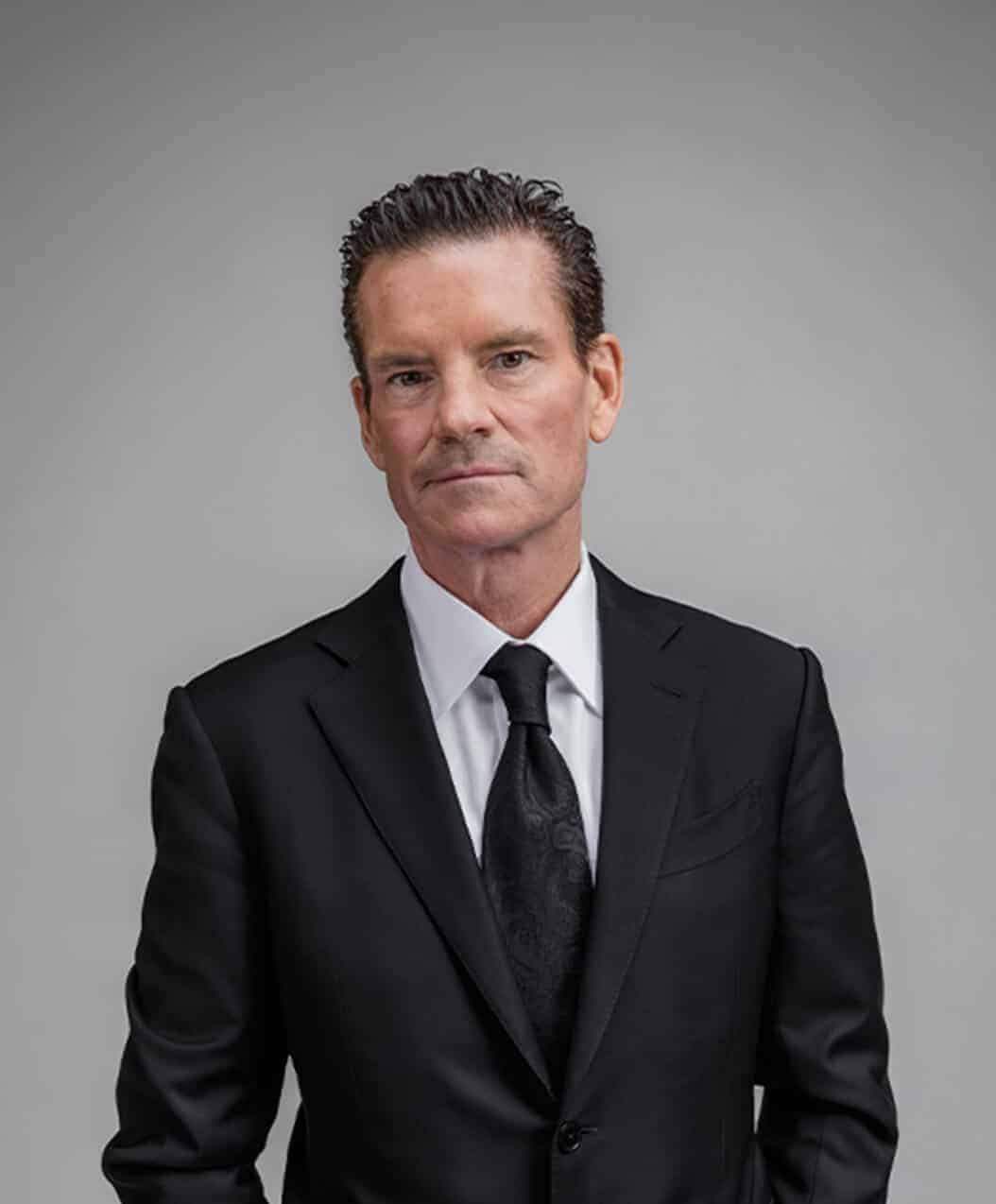
Dr. Stephen Mulholland, Md
Dr. Stephen Mulholland has been practicing plastic surgery for over 20 years. He is one of Canada’s most renowned and best plastic surgeons in Toronto with his wealth of experience, artistry, and humbleness towards his patients.
View Dr. Mulholland’s Profile View Dr. Mulholland’s WikipediaYou May Also Be Interested In