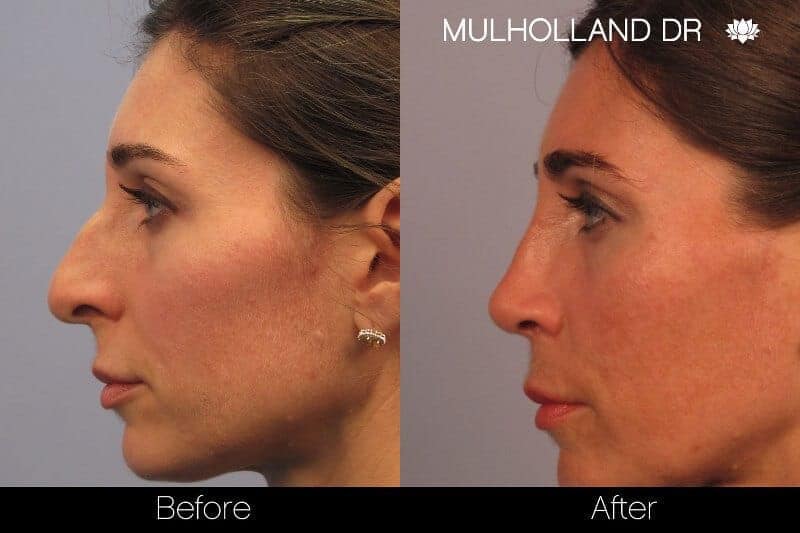
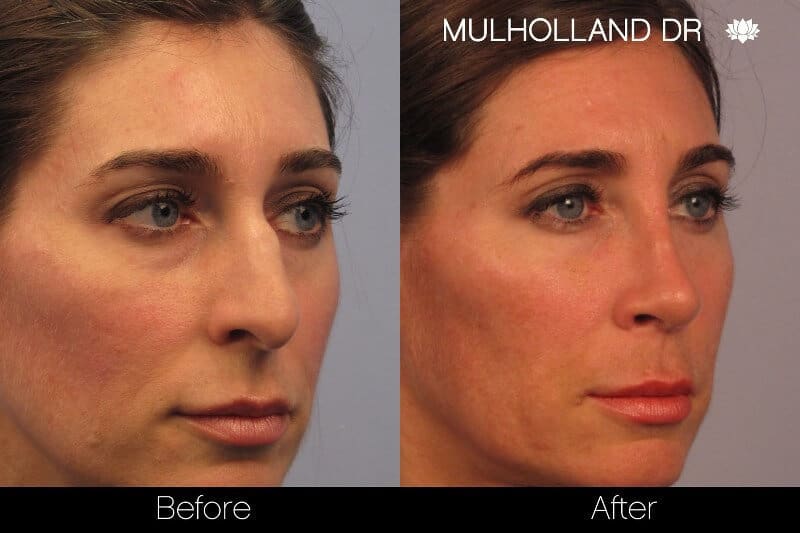
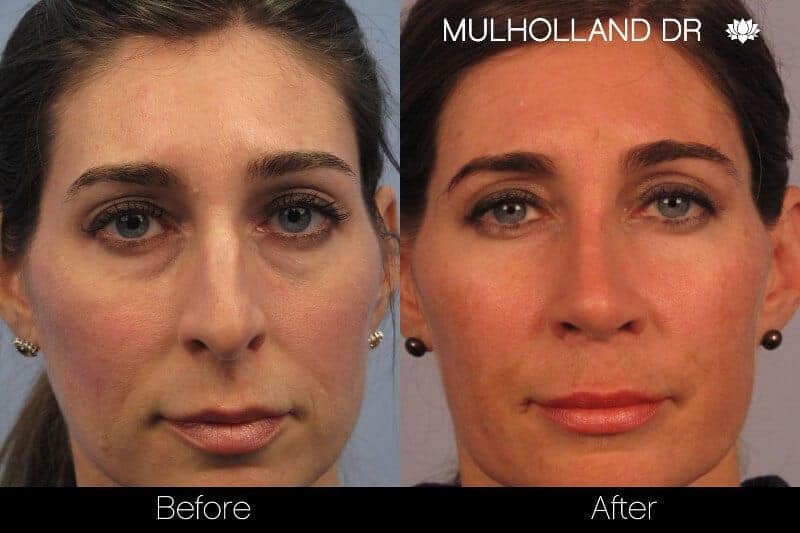
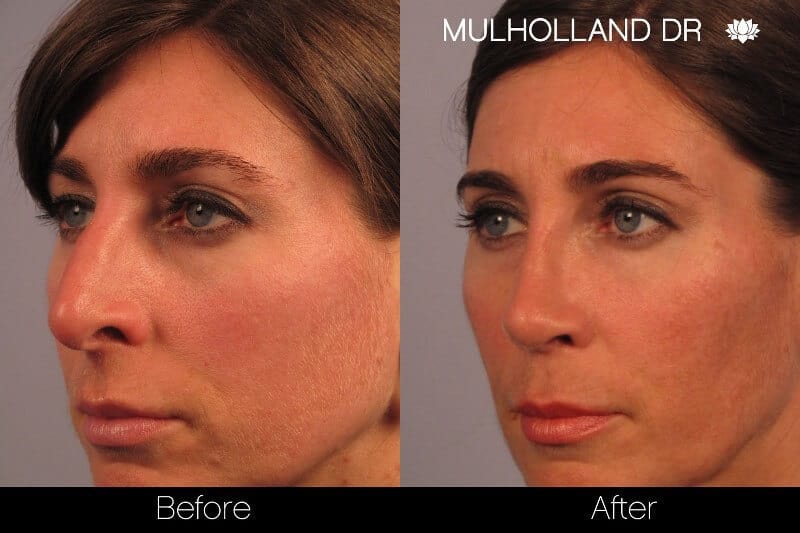
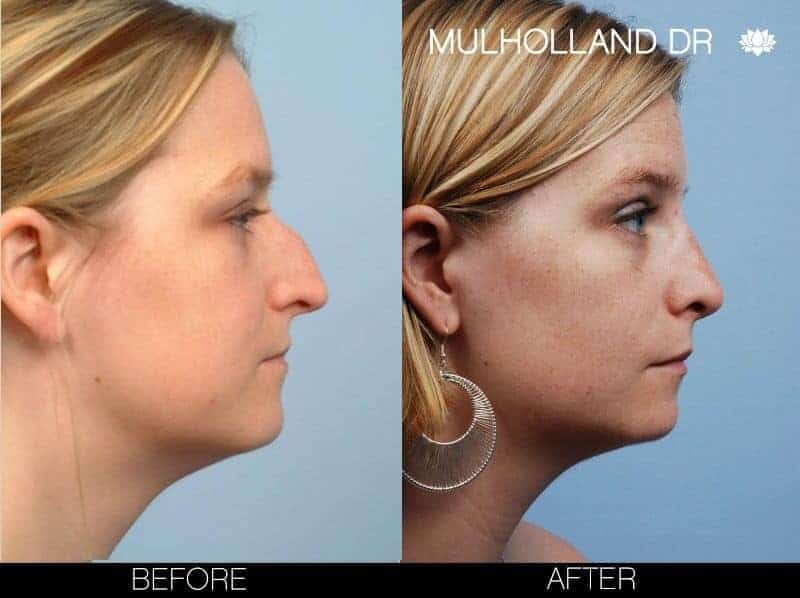
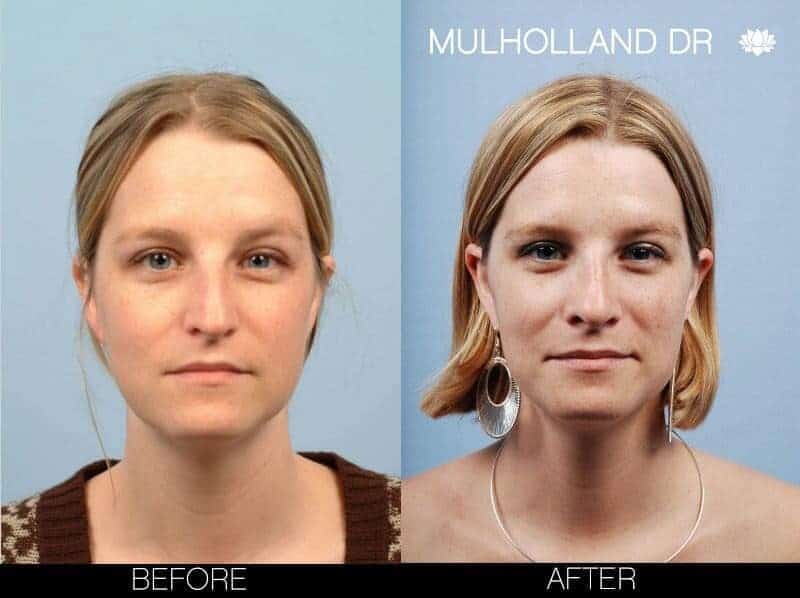
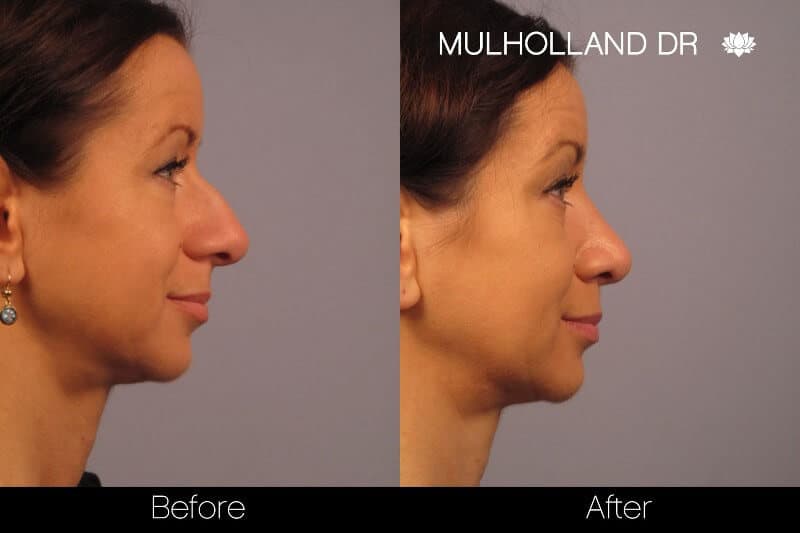
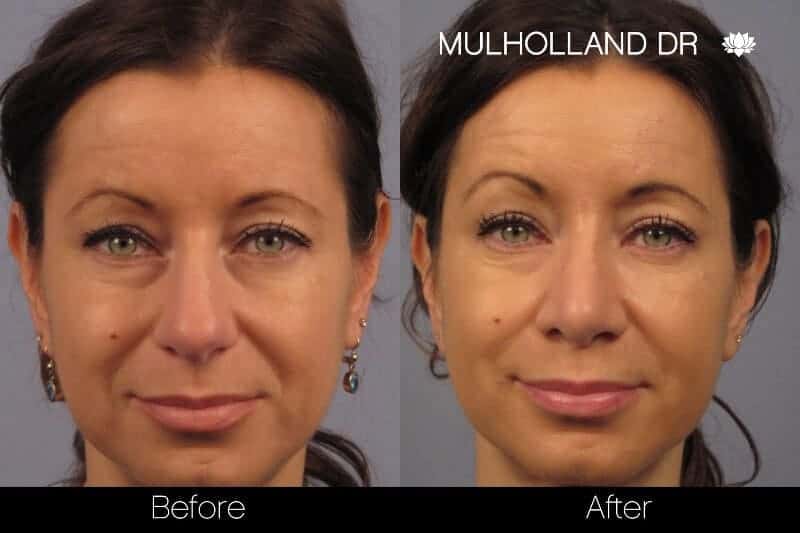
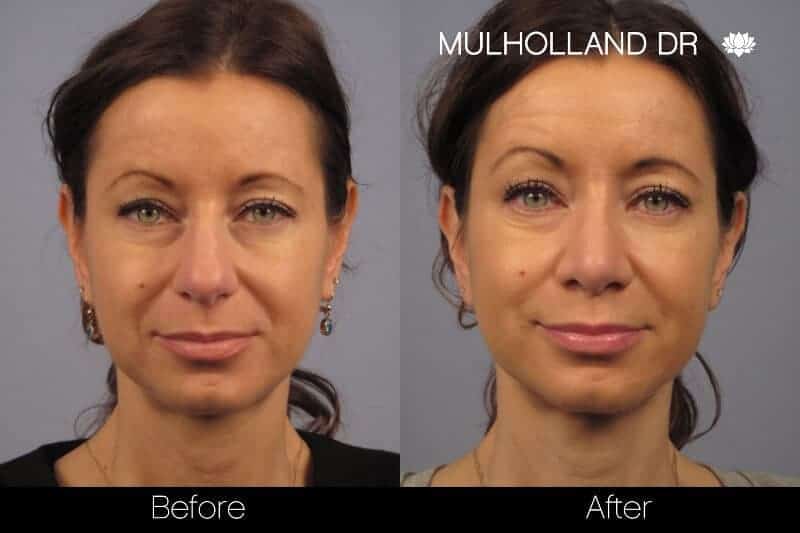
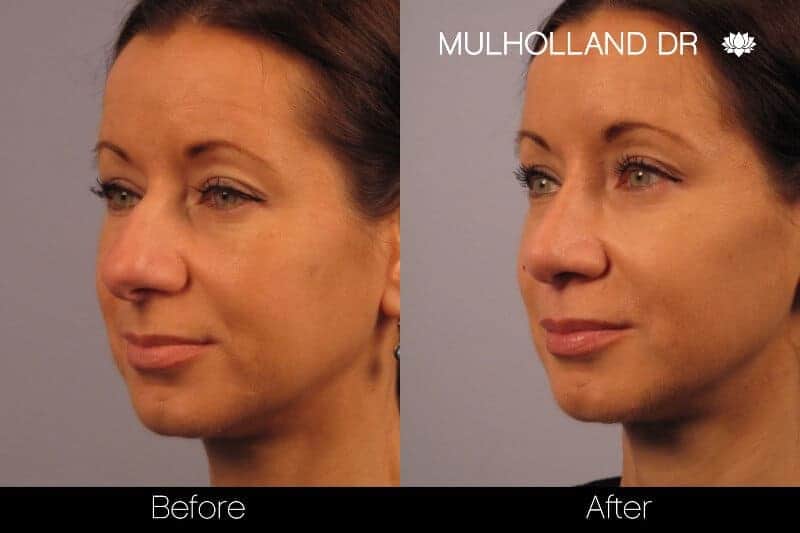
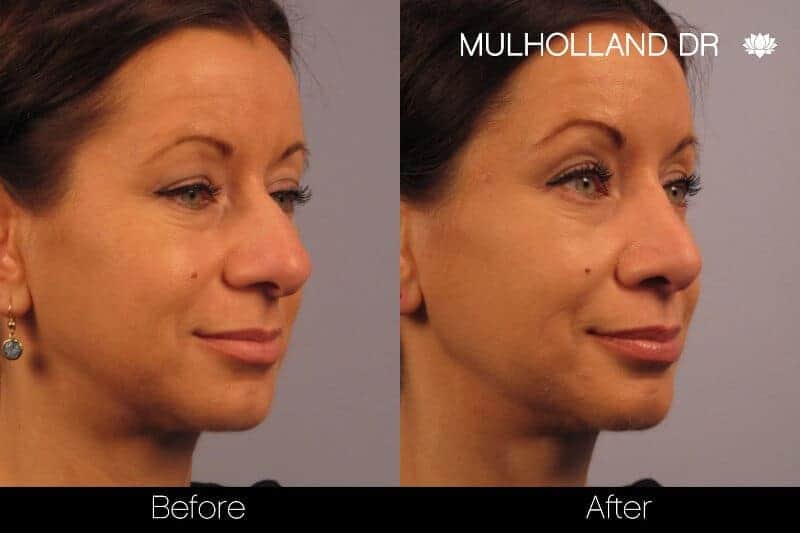
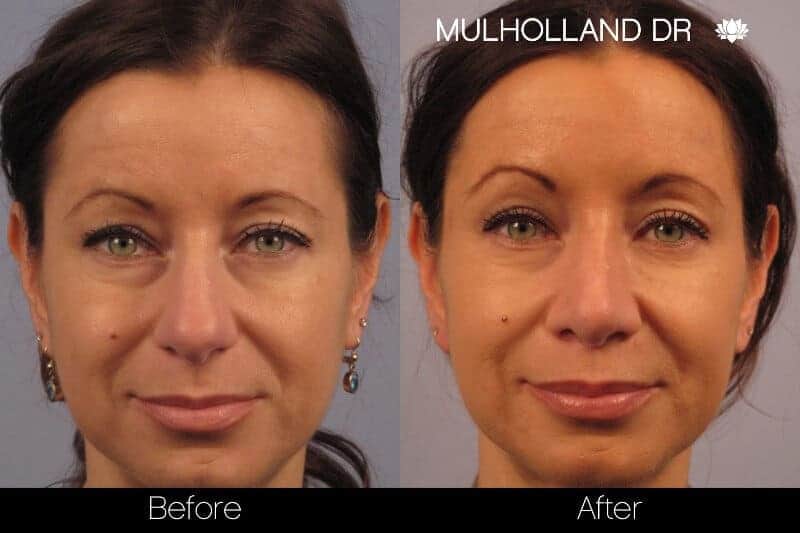
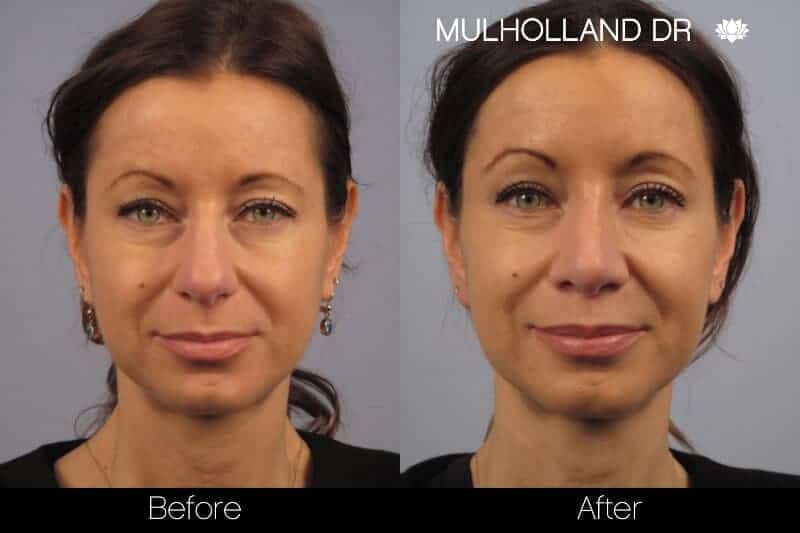
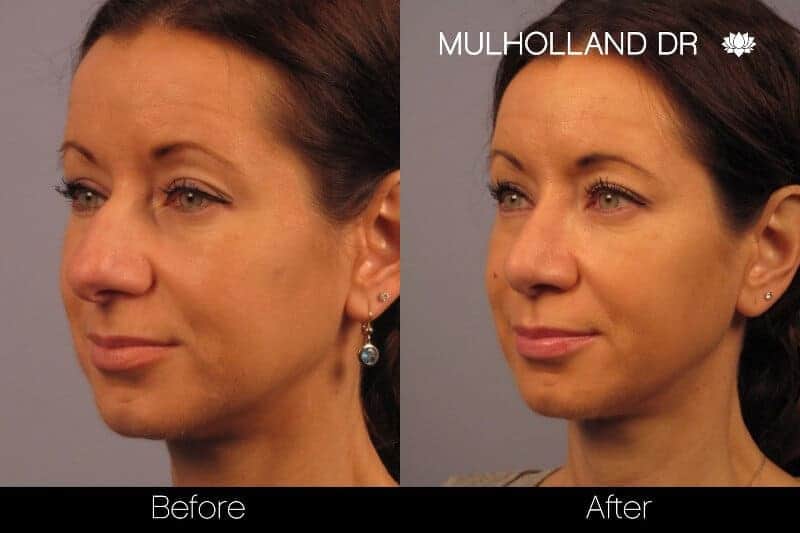
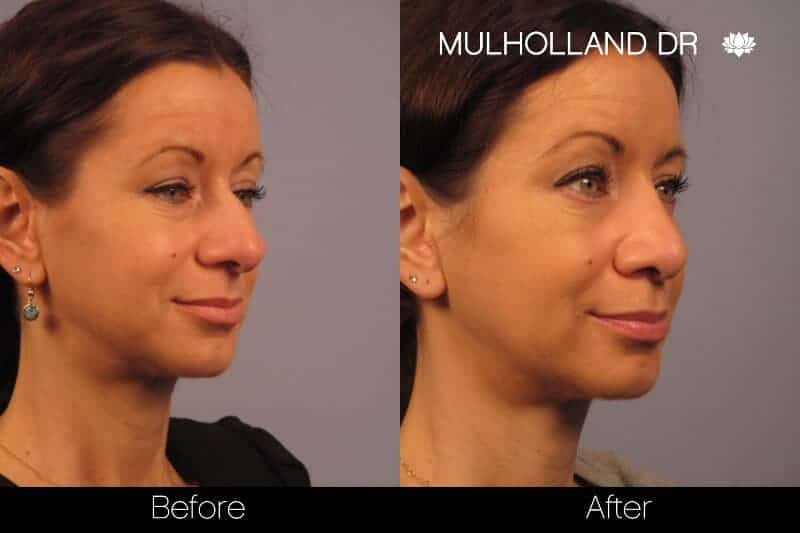
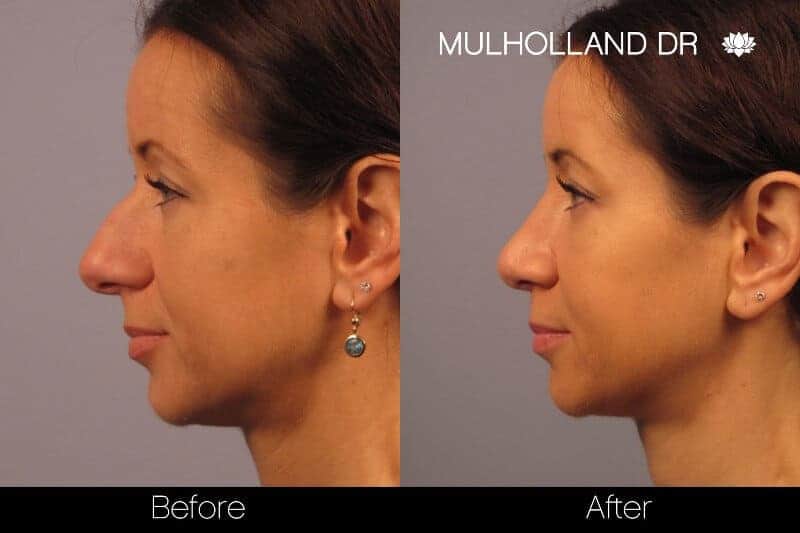
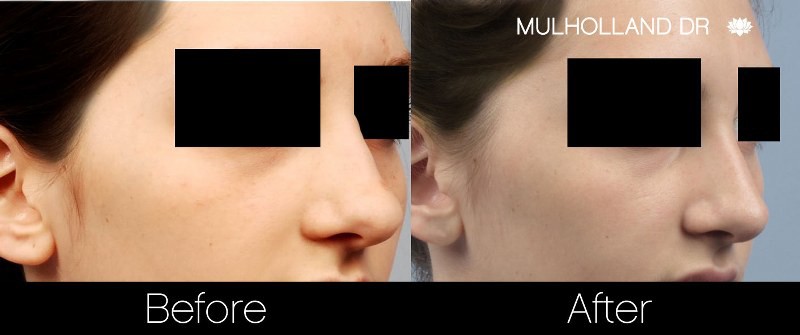
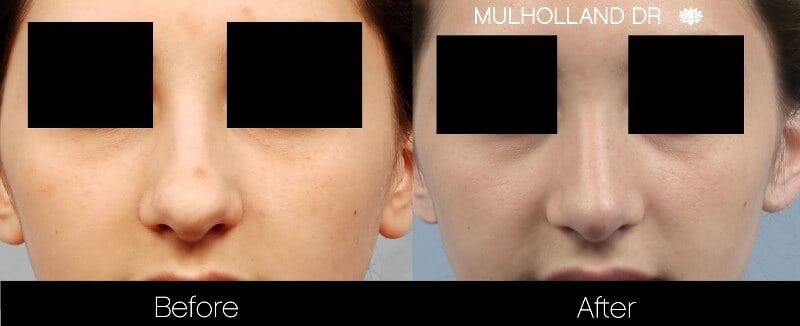
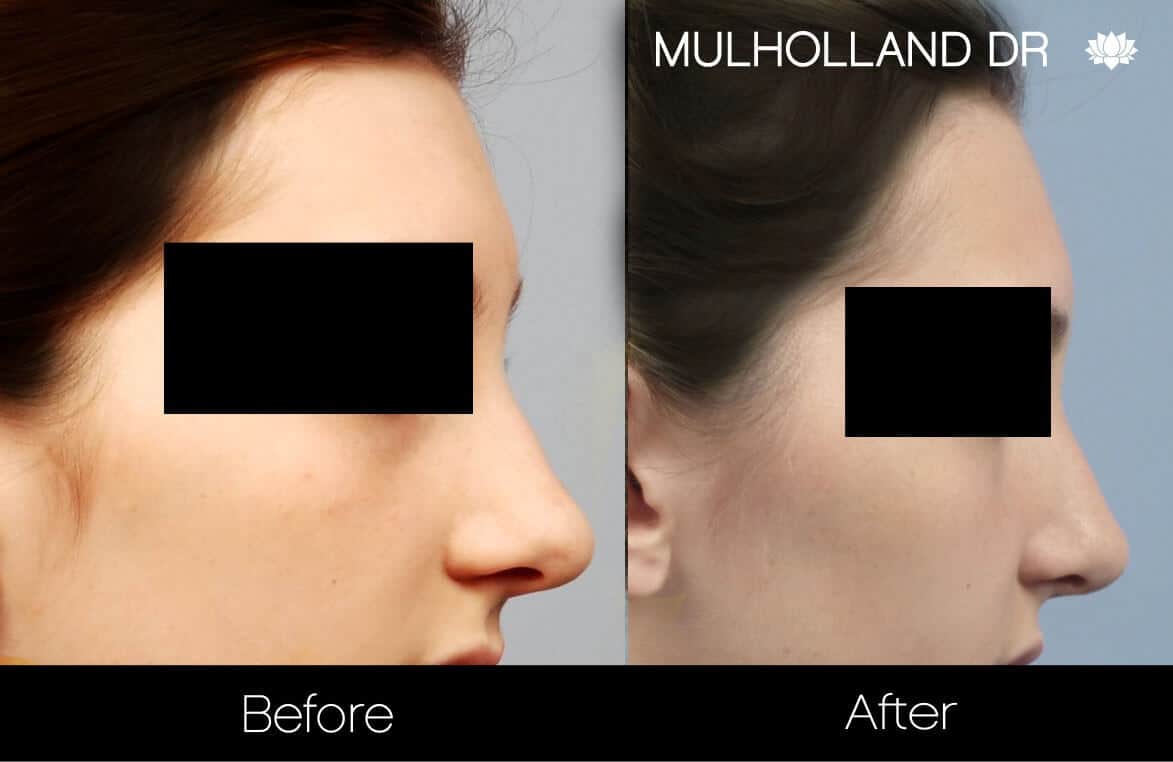
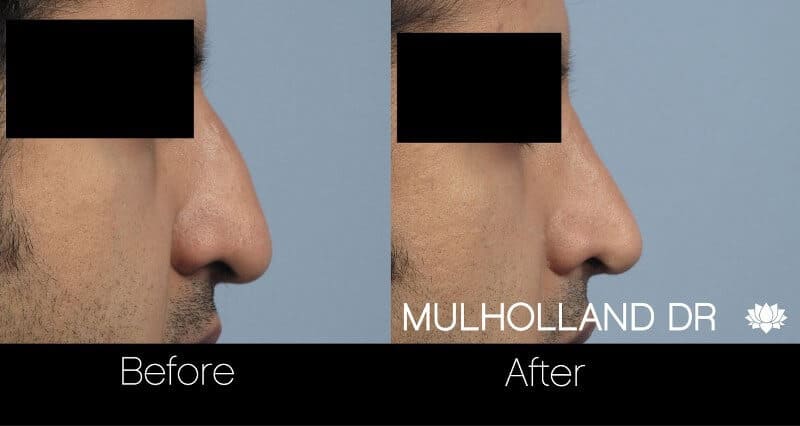
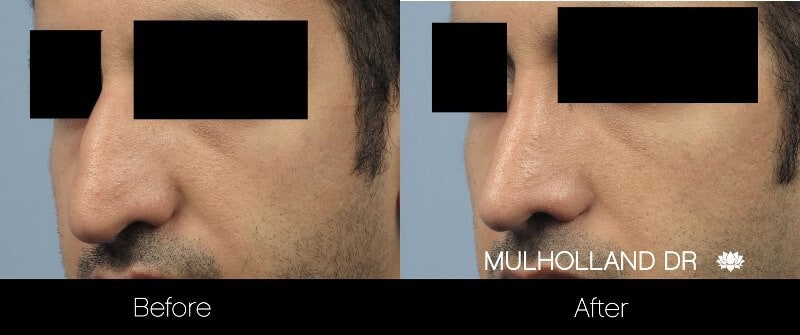
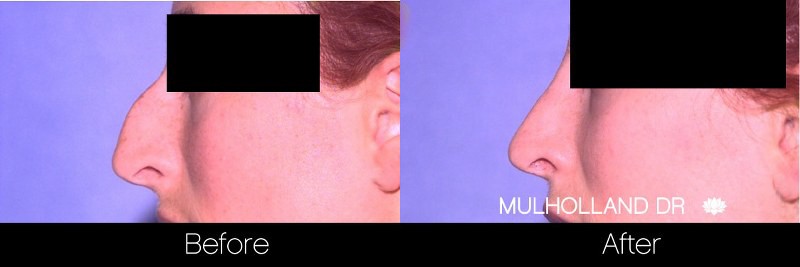
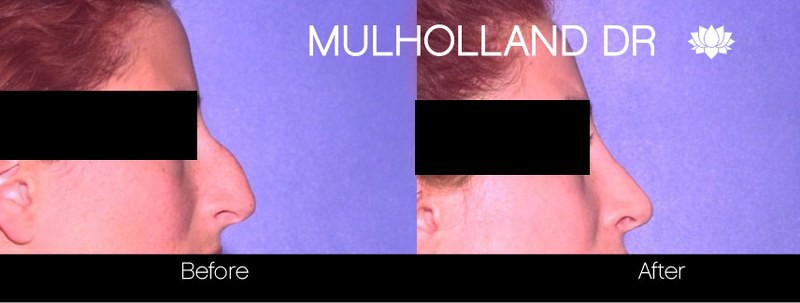
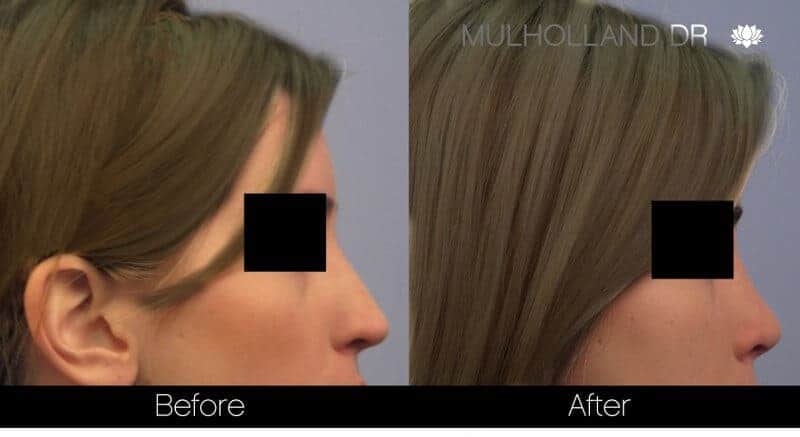
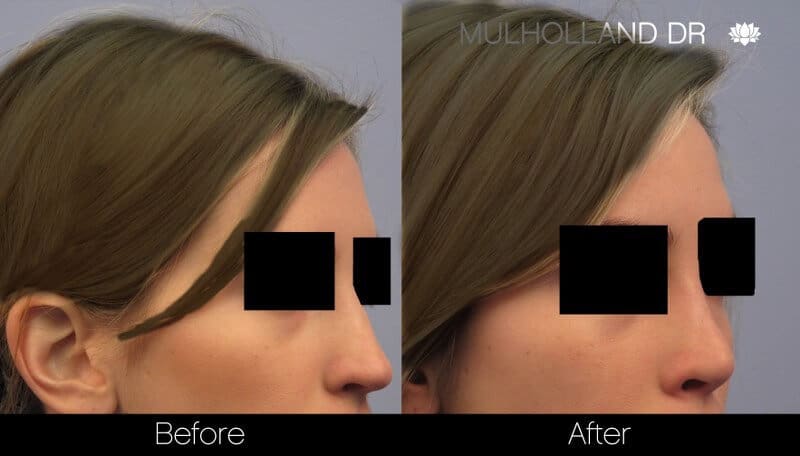
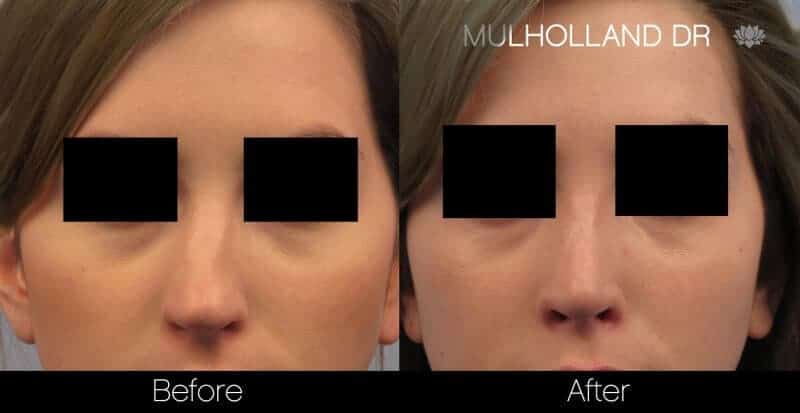
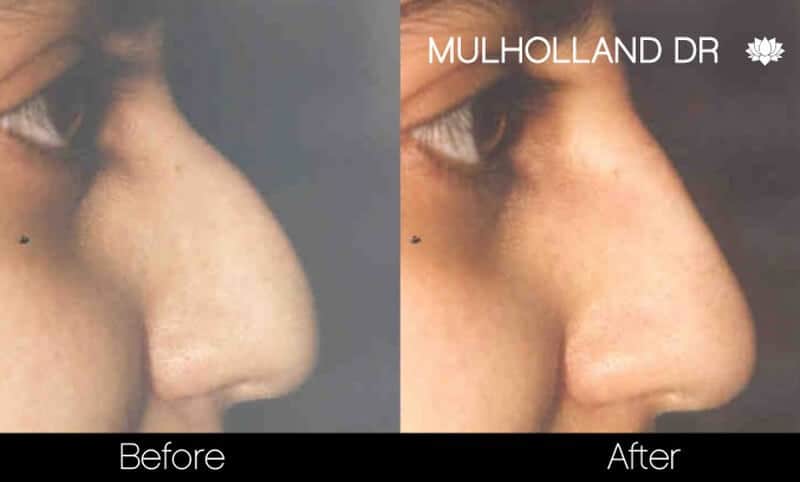
Are you struggling with a nasal tip droop? Do you want to correct a slight curve in your nasal bridge? A hooked or curved nose can impact your appearance, leaving your facial features to look out of balance. Some individuals with crooked or curved features may also have difficulty breathing or ongoing sinus problems. Thankfully, there are surgical and non-surgical solutions you can consider to correct a hooked nose shape.
Here are some of the options you have available to correct the shape of your curved nose:
What is a Hooked Nose?
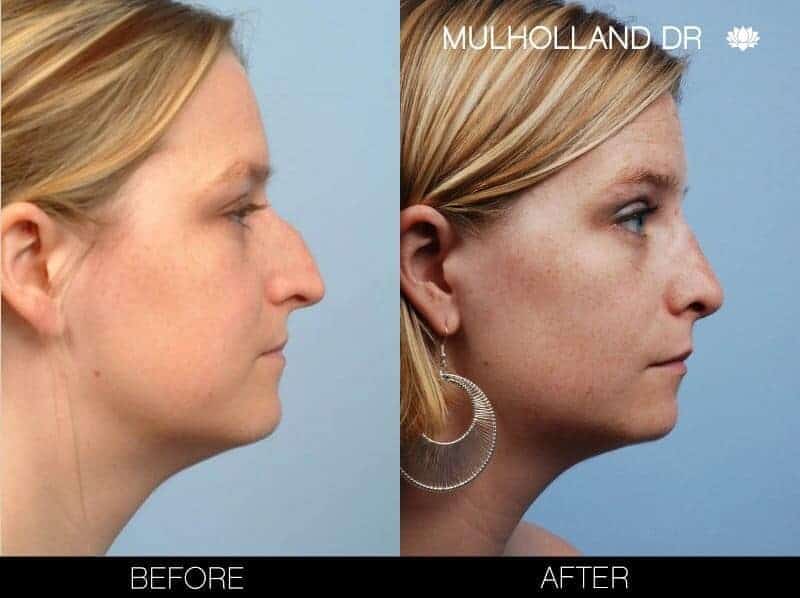
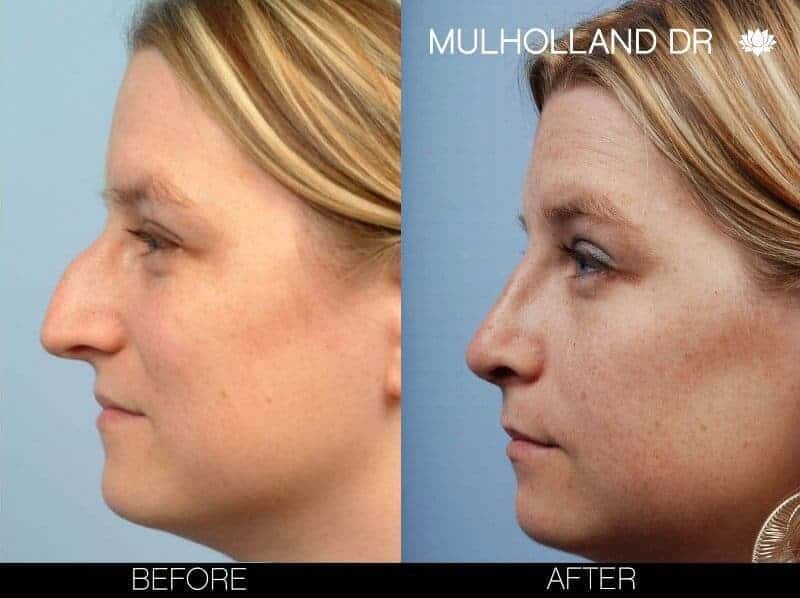
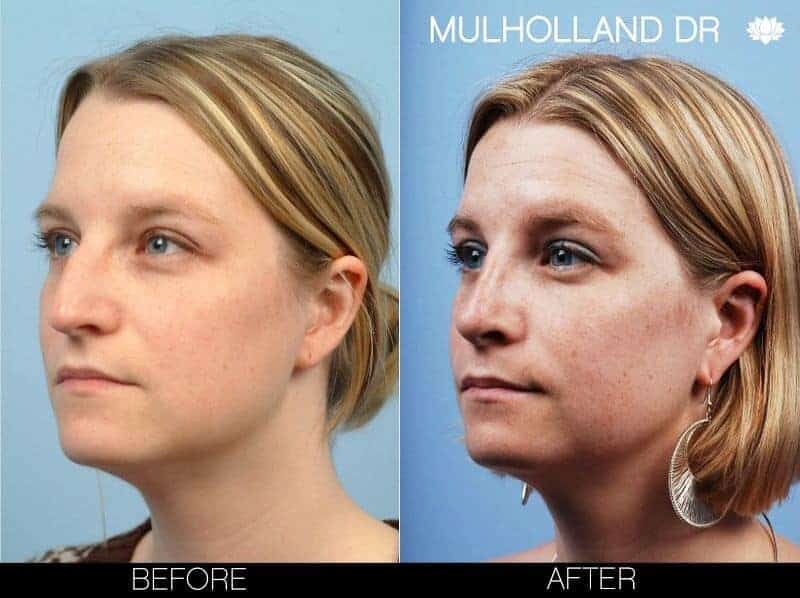
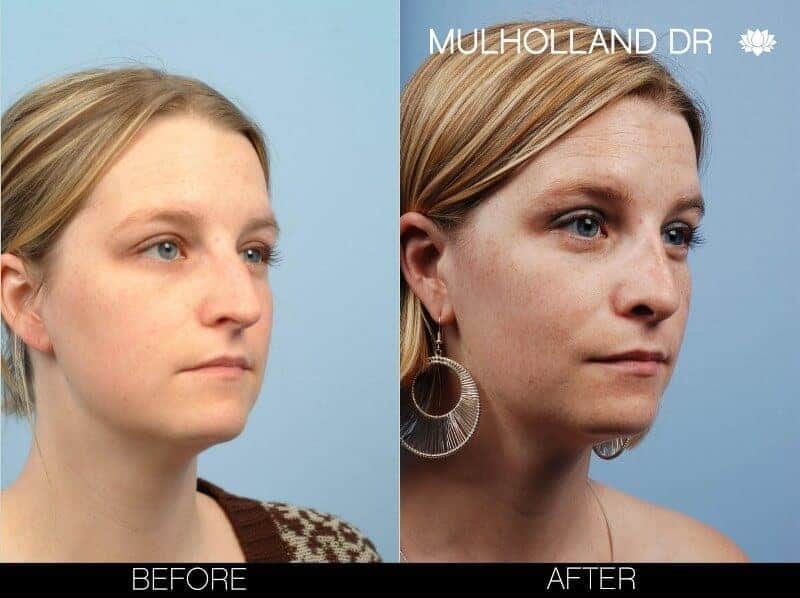
A hooked nose is typically defined by its shape. A slight curvature in the nose can lead to a hooked or curved nose bridge or tip. This is generally referred to as an Aquiline nose, beaked nose, or Roman nose.
A hooked nose is common among individuals with Native American and Roman heritage. If you’re considering a rhinoplasty, it’s important that you go to a plastic surgeon who understands the cultural differences between different nose shapes. A plastic surgeon with experience in ethnic noses will ensure you get your desired results without westernizing the look and feel of your nose.
Causes of a Hooked Nose
A hooked or curved nose can be caused by several different factors. One of the most common causes is genetics. If your mom, dad, or grandparents had a hooked nose, you’re more likely to develop one.
However, some patients may notice their nose tip drooping as they age. As the collagen and elasticity in your nose start to break down, it can cause changes in your nose shape and appearance. Trauma and other injuries can also lead to structural changes that lead to a hooked appearance.
Impact on Facial Aesthetics & Breathing
A hooked nose can affect facial symmetry, negatively impacting self-esteem and self-perception. If the hooked nose is caused by trauma or an injury, it can also lead to airflow issues or a deviated septum. If your hooked nose is causing pain or discomfort, consult a plastic surgeon to discuss available surgical options. They will provide you with recommendations based on your nose’s appearance.
Surgical Options for Correcting a Hooked Nose
If you decide to take the surgical route, there are several options to consider. Some of the most popular methods available include:
Rhinoplasty for Hooked Nose Correction
A rhinoplasty is an innovative procedure used to help reshape and redefine the nasal structure. There are two different types, open and closed rhinoplasty.
During an open rhinoplasty, the incisions are made on the columella. During a closed rhinoplasty, the incisions are made inside the nose. A closed rhinoplasty has less visible scars and a quicker recovery process. However, it’s not ideal for complex procedures.
Most individuals can return to their everyday activities a week after a rhinoplasty. However, you may not see the final results for several months to a year.
Septoplasty for Functional Improvements
If you believe your nose shape is impacting your health, a plastic surgeon may recommend a septoplasty. A septoplasty corrects a deviated septum, improves breathing, or relieves sinus pressure. Depending on the severity of the deviated septum or breathing issues, a plastic surgeon may combine your septoplasty with a rhinoplasty. If you like the look and shape of your nose, a rhinoplasty may not be necessary.
Non-Surgical Options: Are They Effective?
There are also minimally invasive options you can consider for your hooked nose. The most popular option is injectable fillers.
Injectable Fillers for Nose Contouring
Injectables can be used to reshape the nose. Dermal filler is injected into the nose tip or nasal bridge area. The plastic surgeon will use the dermal filler to correct the shape of the nose and help you achieve your desired results. No downtime is needed with this option. Patients will see an immediate transformation and can return to work immediately after.
However, it’s important to note that dermal fillers are a temporary solution for a hooked nose. If you’d like a more permanent solution, you’ll want to consider a rhinoplasty. Dermal fillers also cannot correct breathing problems. If you struggle breathing, a septoplasty may be a more suitable option.
Risks and Considerations Before Undergoing Treatment
As with any surgical or non-surgical treatment, there are risks and concerns you’ll need to consider. If you decide to take the surgical route, you can expect some minor swelling, bruising, and discomfort the week after the procedure. This is normal, and most pain should subside within a few weeks. If the pain persists, consult your plastic surgeon for guidance.
If you decide on the non-surgical route, you’ll need to consider the temporary nature of fillers. The treatment results will gradually fade and require constant upkeep. You’ll need to ensure that this option aligns with your lifestyle.
To ensure you get the best results for your crooked nose procedure, you’ll want to enlist the help of a trustworthy, board-certified surgeon. Always read patient reviews and explore before and after photos before you commit to a surgeon. This is the best way to ensure you get the results.
Consultation Process: What to Expect
If you’re struggling with a curved nose, Toronto Plastic Surgeons and the team at Toronto Plastic Surgeons Wellness Centre are here to help. Once you’re ready to explore your options, schedule a free consultation. During the consultation, Toronto Plastic Surgeons Wellness Centre will evaluate your nasal structure and provide a personalized treatment plan that aligns with your goals and desired results. He’ll address any questions or concerns about the procedure and ensure the option is the best for your Roman nose shape.
Toronto Plastic Surgeons also has experience with ethnic nose jobs and can help you preserve your natural beauty and nose shape if needed.
Book a consultation with Toronto Plastic Surgeons at Toronto Plastic Surgeons Wellness Centre today.
Frequently Asked Questions
Can a hooked nose be reshaped without surgery?
Yes, injectable fillers can offer temporary contouring, but they do not permanently change the nasal structure.
What is the difference between a hooked nose and a crooked nose?
A hooked nose has a pronounced downward curve, while a crooked nose is misaligned due to genetics or trauma.
How long does rhinoplasty recovery take?
Initial swelling subsides within 2-3 weeks, but full healing may take up to a year.
Is a hooked nose a sign of breathing problems?
Not always, but if it is accompanied by a deviated septum, it can affect airflow and require correction.
What is the cost of hooked nose correction?
Pricing varies based on procedure type and complexity. A consultation with Toronto Plastic Surgeons Wellness Centre can provide a personalized quote.
Does insurance cover rhinoplasty for a hooked nose?
Insurance may cover procedures that address functional breathing issues, but aesthetic rhinoplasty is typically out-of-pocket.
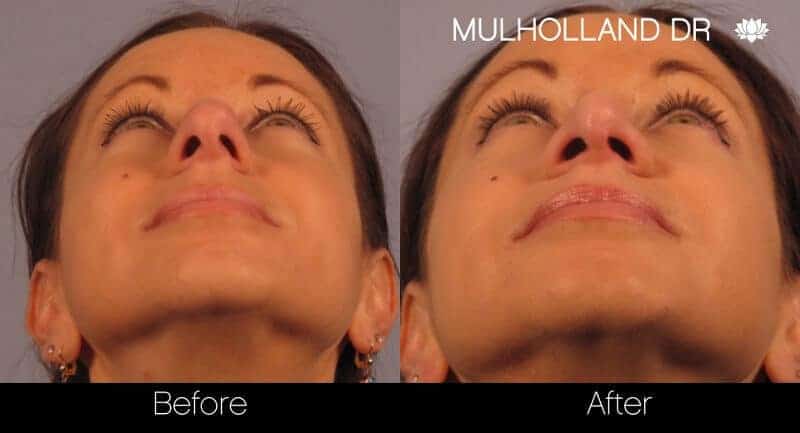
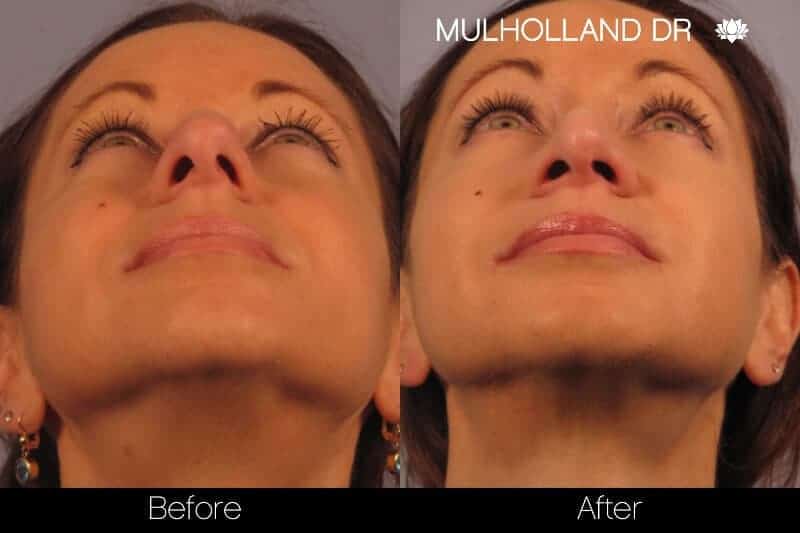
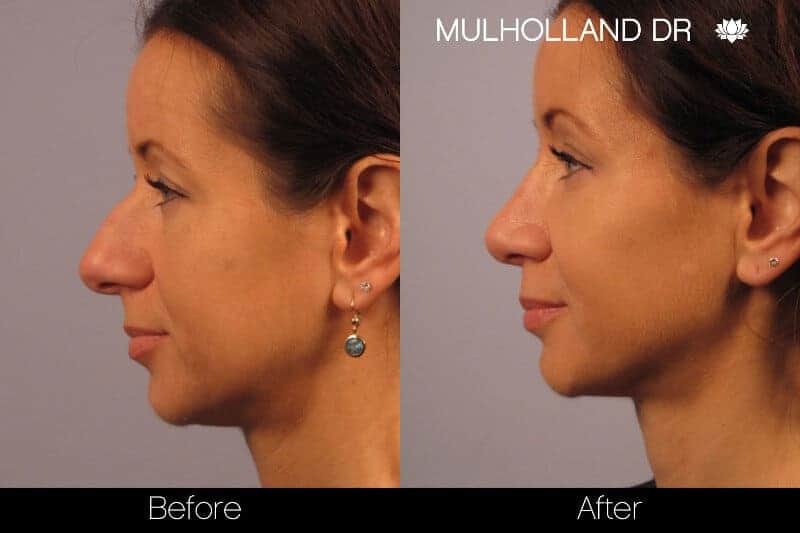
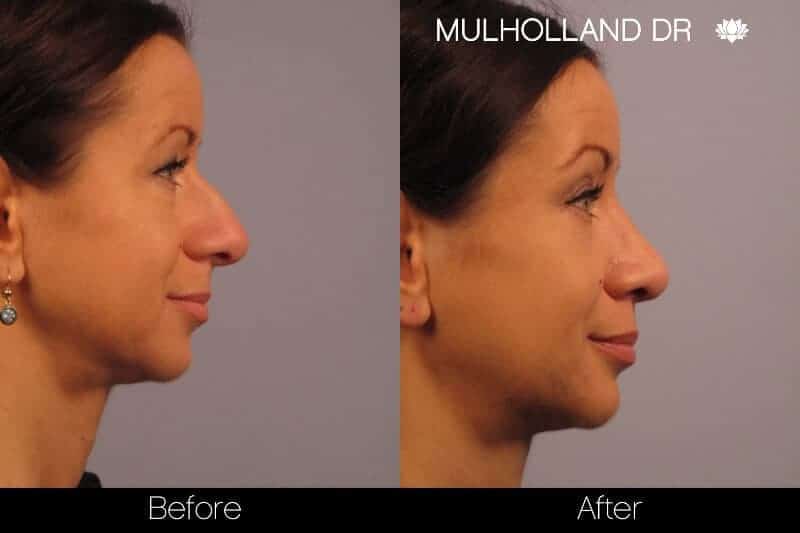
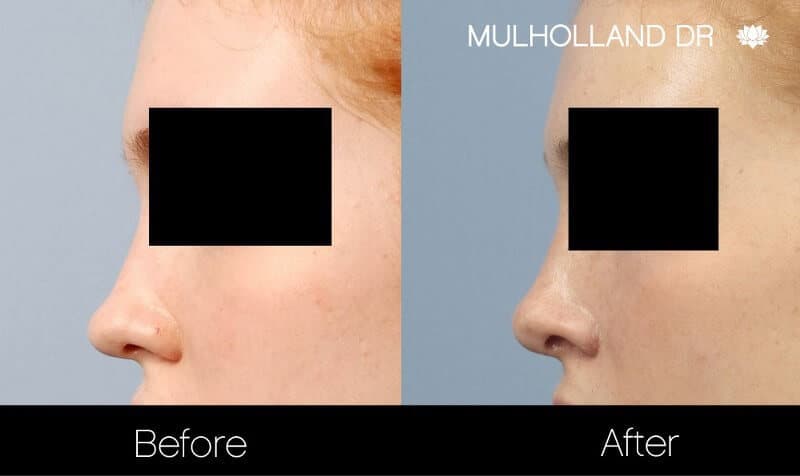
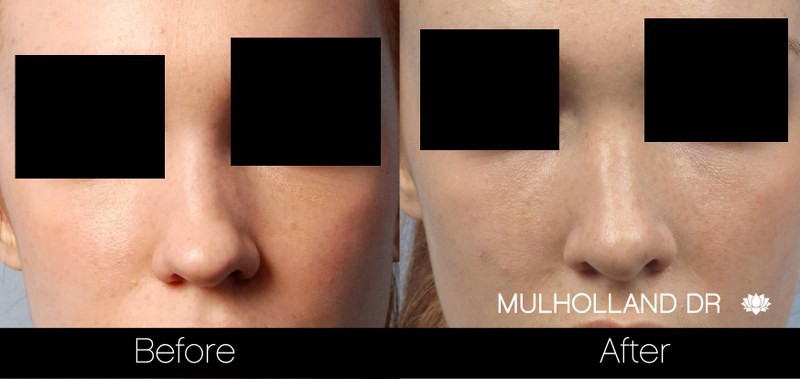
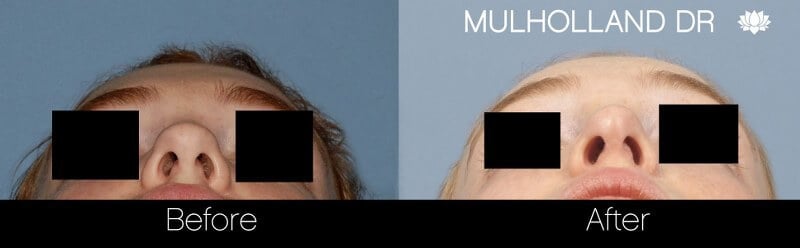
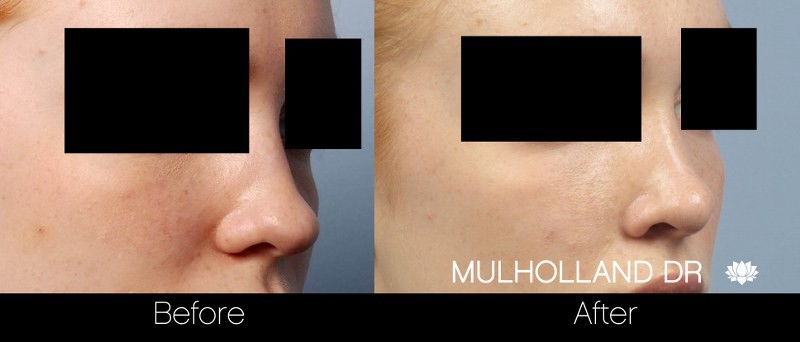
Hooked Nose Before And After Images