-
 Price Starts at $11,999
 -
 Procedure Time 3 hours
 -
 Recovery Time 2-3 weeks


How Much Does a Mammoplasty Cost?
The cost of a breast reduction in Toronto starts at $11,999. However, the cost of your mammoplasty at our Toronto clinic depends on various factors, including the severity of your concern, breast size, and if you would like to combine your breast reduction with other procedures.
How Long Does a Reduction Mammoplasty Take?
It takes 3 hours to perform a breast reduction, but will take longer if you are pairing it with nipple and/or areola reduction.
What Is a Breast Reduction?
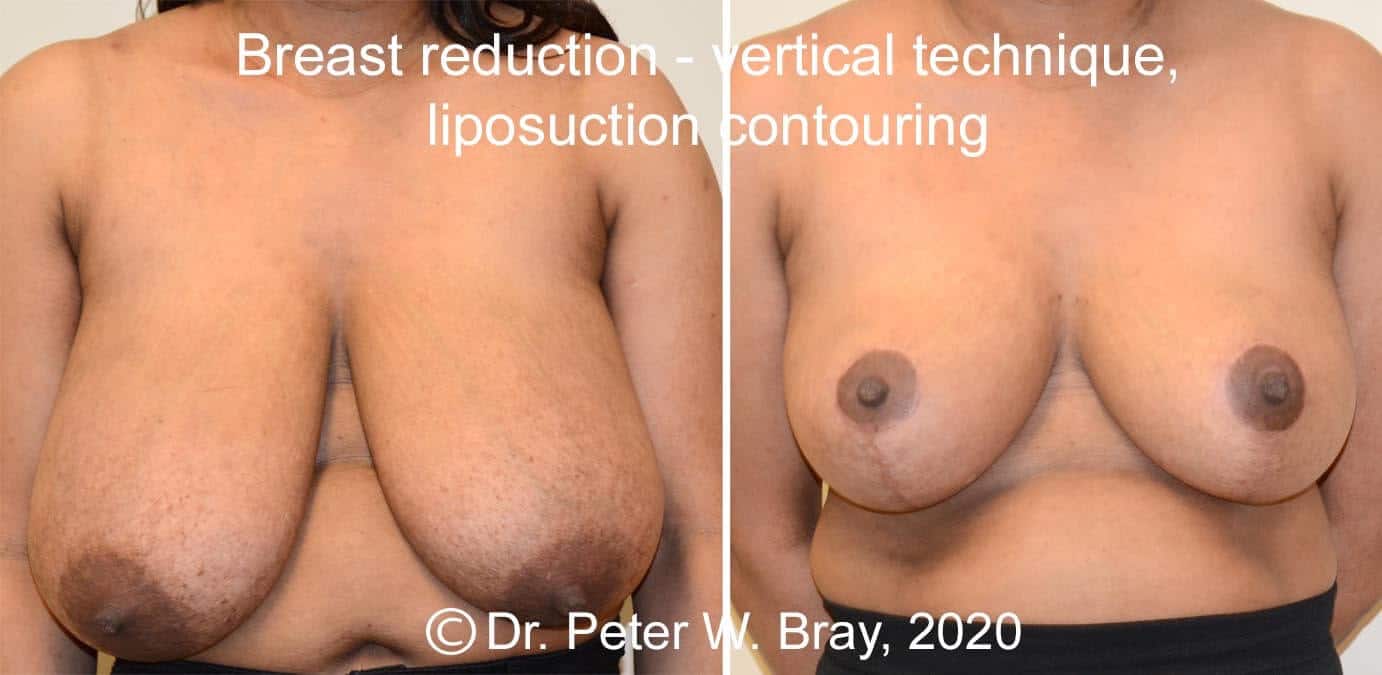
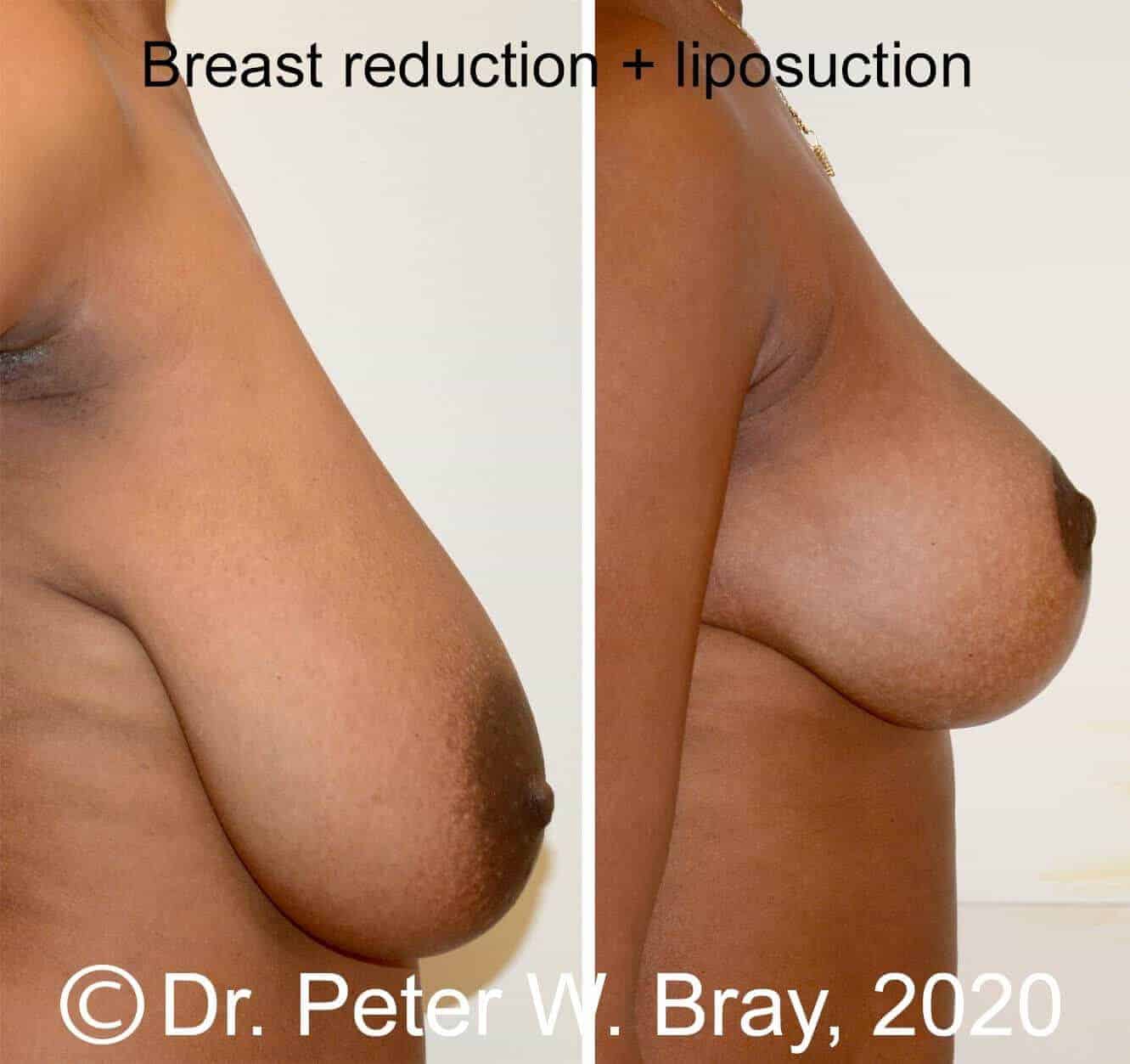
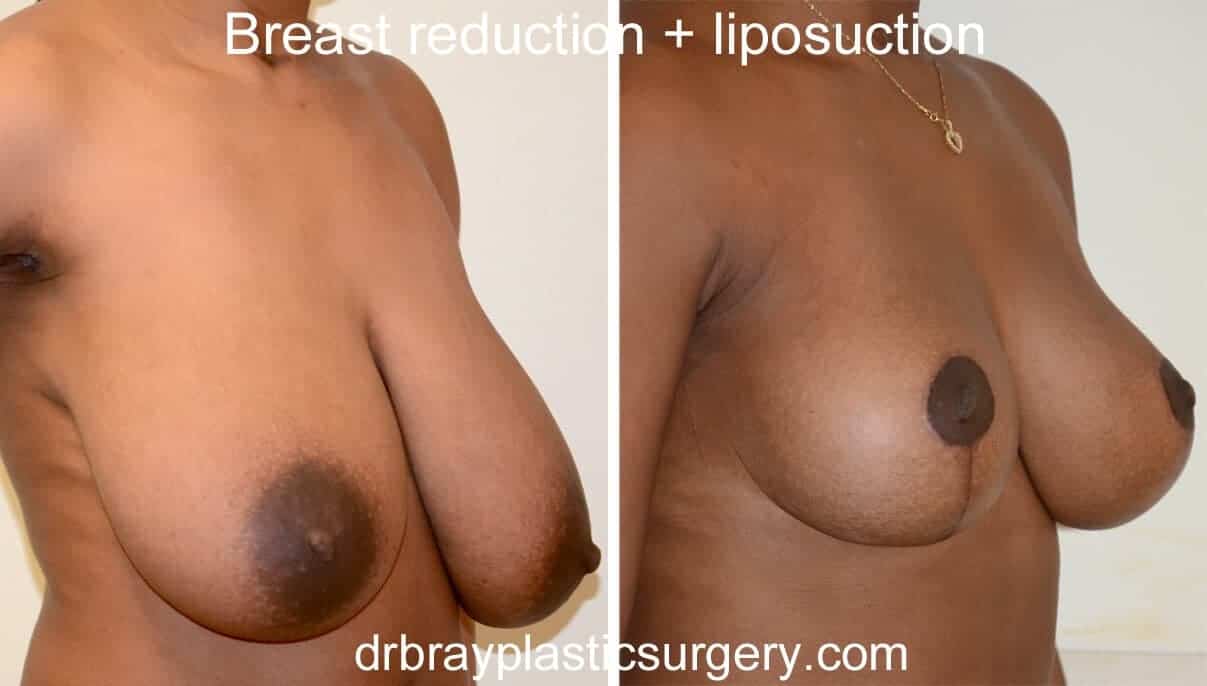
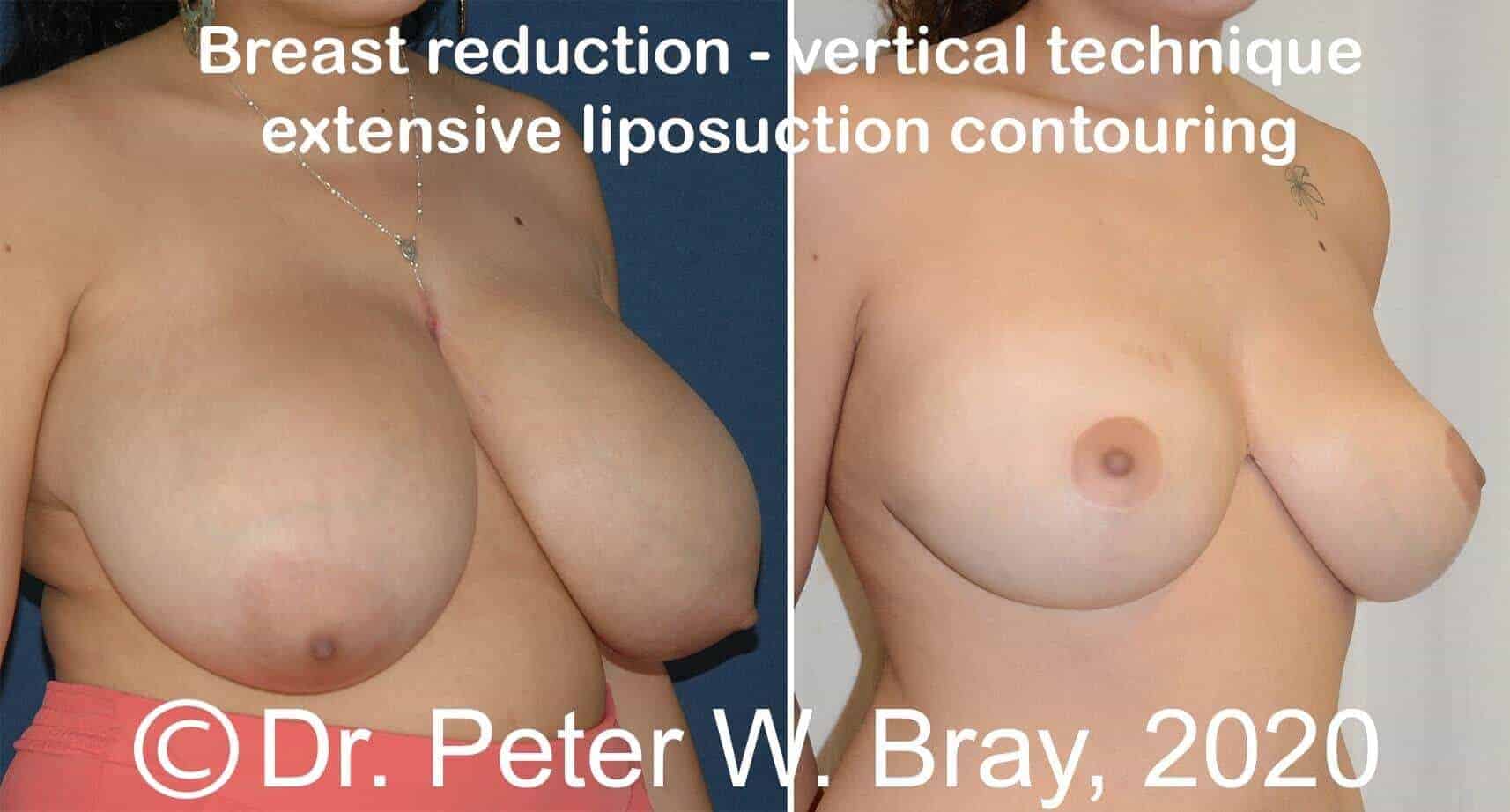
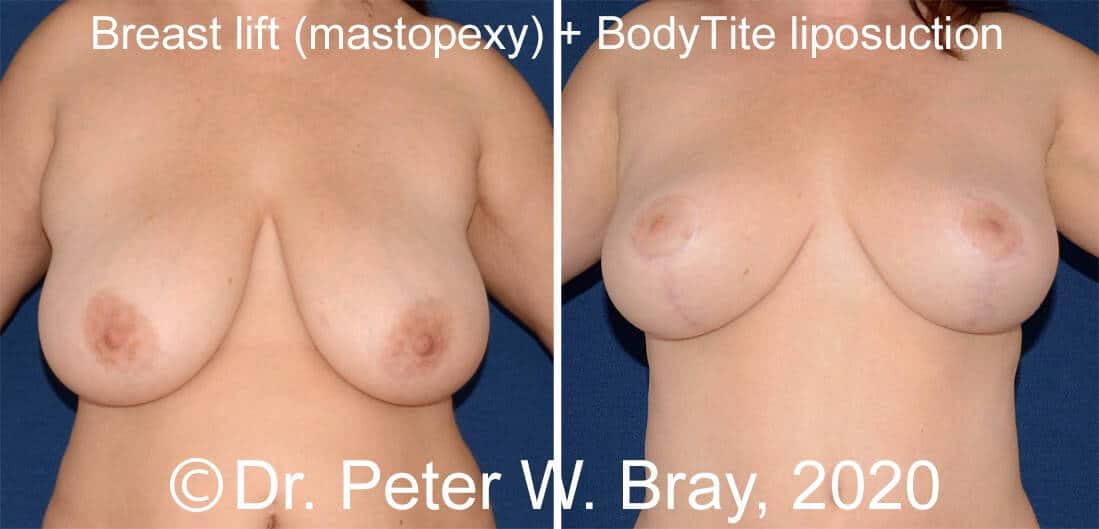
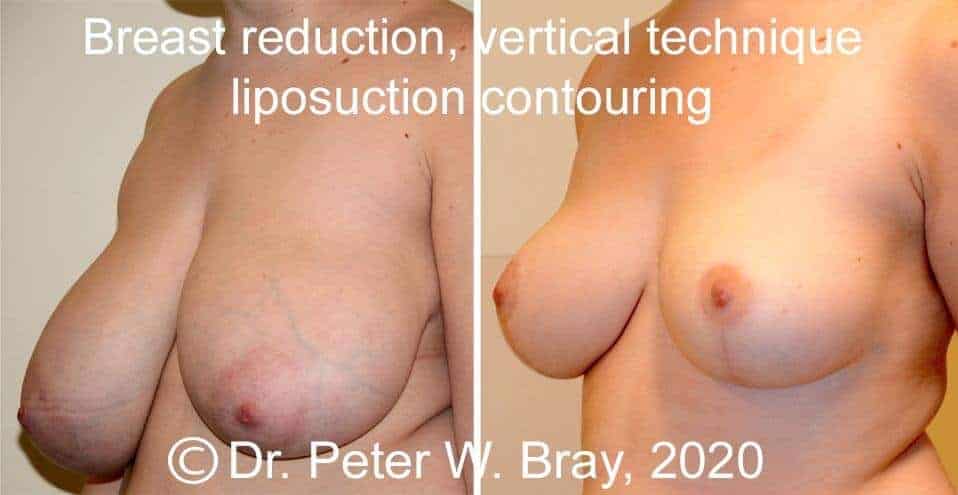
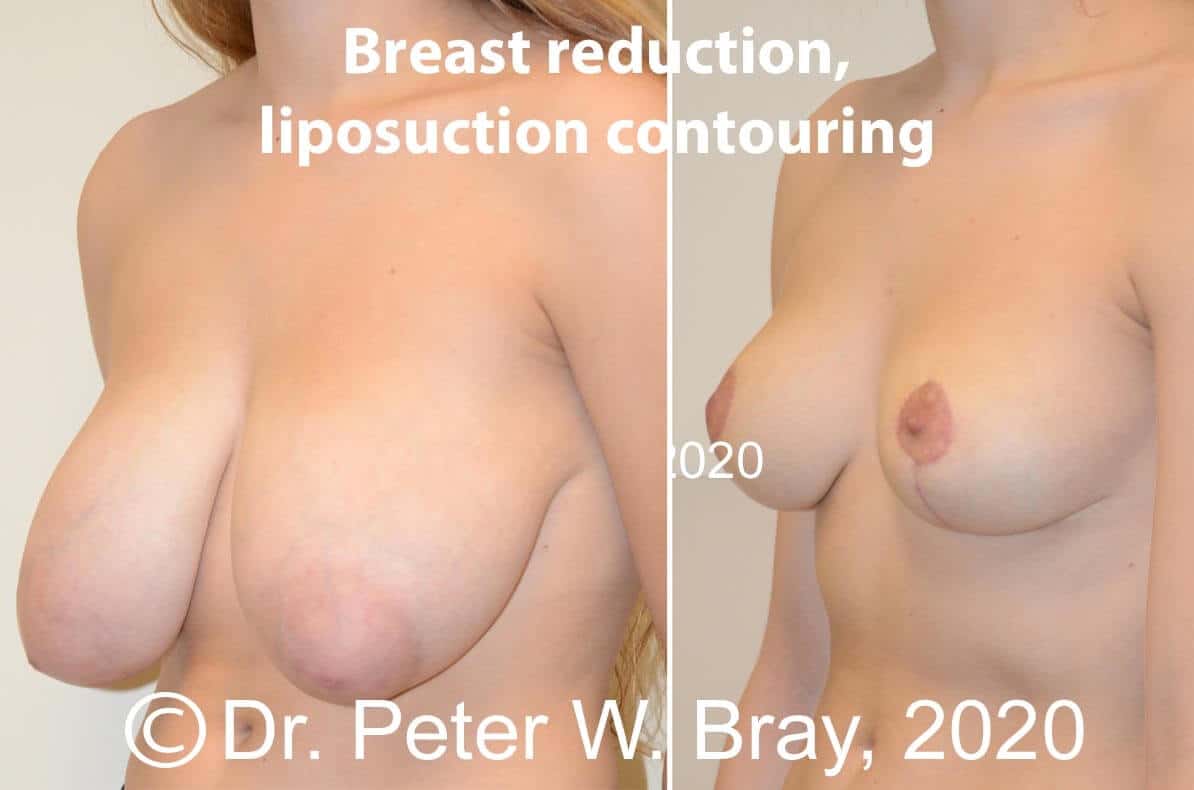
A reduction mammoplasty is a surgical procedure used to remove excess glandular tissue, fat, and excess skin. Before beginning surgery, Dr. Peter Bray with Toronto Plastic Surgeons Wellness Centre will work with the patient to plan their reduction. The reduction is then marked out carefully. The cosmetic breast reduction patient is put under anesthesia, via general or IV sedation.
Who Is a Breast Reduction Candidate?
Mammoplasty procedures are best suited for people who experience physical and emotional distress due to the size and weight of their breasts, such as neck, shoulder, and back pain. Physical issues include back and shoulder pain. If you’re in good overall health and ready for a life with proportionate breasts, this procedure may be right for you.
Many women with disproportionately large breasts are candidates for breast reduction surgery.
Ideal candidates for a breast reduction:
- Are physically healthy and do not like the cosmetic appearance of their large breasts.
- Are limited in what they can do due to the size of their breasts.
- Have indentations on their shoulders from bra straps.
- Experience irritation under the breast crease.
- Are non-smokers.
How to Prepare for a Breast Reduction
Patients must prepare before getting breast reduction surgery in Toronto. Dr. Peter Bray provides patients with specific instructions. General preparations include:
- Lab testing. If you have a medical history with certain conditions such as diabetes or thyroid issues, lab tests may be required.
- Medical evaluation. Dr. Bray may recommend getting a physical examination from your General Practitioner so you can obtain preoperative medical clearance.
- Undergoing a baseline mammogram. A mammogram is recommended to screen the breasts for any abnormalities, especially if you are over 40 years of age.
- Quitting smoking. Smoking can dehydrate the body and restrict blood flow, so quitting (either permanently or for 1 month before and 1 month following your procedure) means you will heal fully and quickly.
- Avoiding anti-inflammatory drugs. Anti-inflammatory medications like Aspirin can thin the blood and make the recovery process more difficult, so you should stop taking these drugs two weeks before your surgery and one week after.
How Reduction Mammoplasty Is Performed by Dr. Peter Bray?
Once the patient is sedated, Dr. Bray will make the incisions. The lollipop incision is the most common type, as it minimizes scarring. The surgeon makes an incision around the areola and then makes a vertical incision down to the bottom of the breast. However, those with very large breasts may require an anchor-shaped incision at the top and bottom of the breast.
Next, Dr. Bray repositions the nipple. The nipple is still attached to the nerve and blood supply during this process. However, if the breasts are extremely large, the cosmetic surgeon might need to remove the nipple and transplant it to its new position. This is called a free nipple graft.
Once the nipple is in position, Dr. Bray might need to reduce the areola by removing skin around the perimeter. Then, the surgeon removes excess breast tissue and lifts and shapes the breast size. Finally, the surgeon closes the incisions with sutures.
Breast Reduction Recovery and Timeline
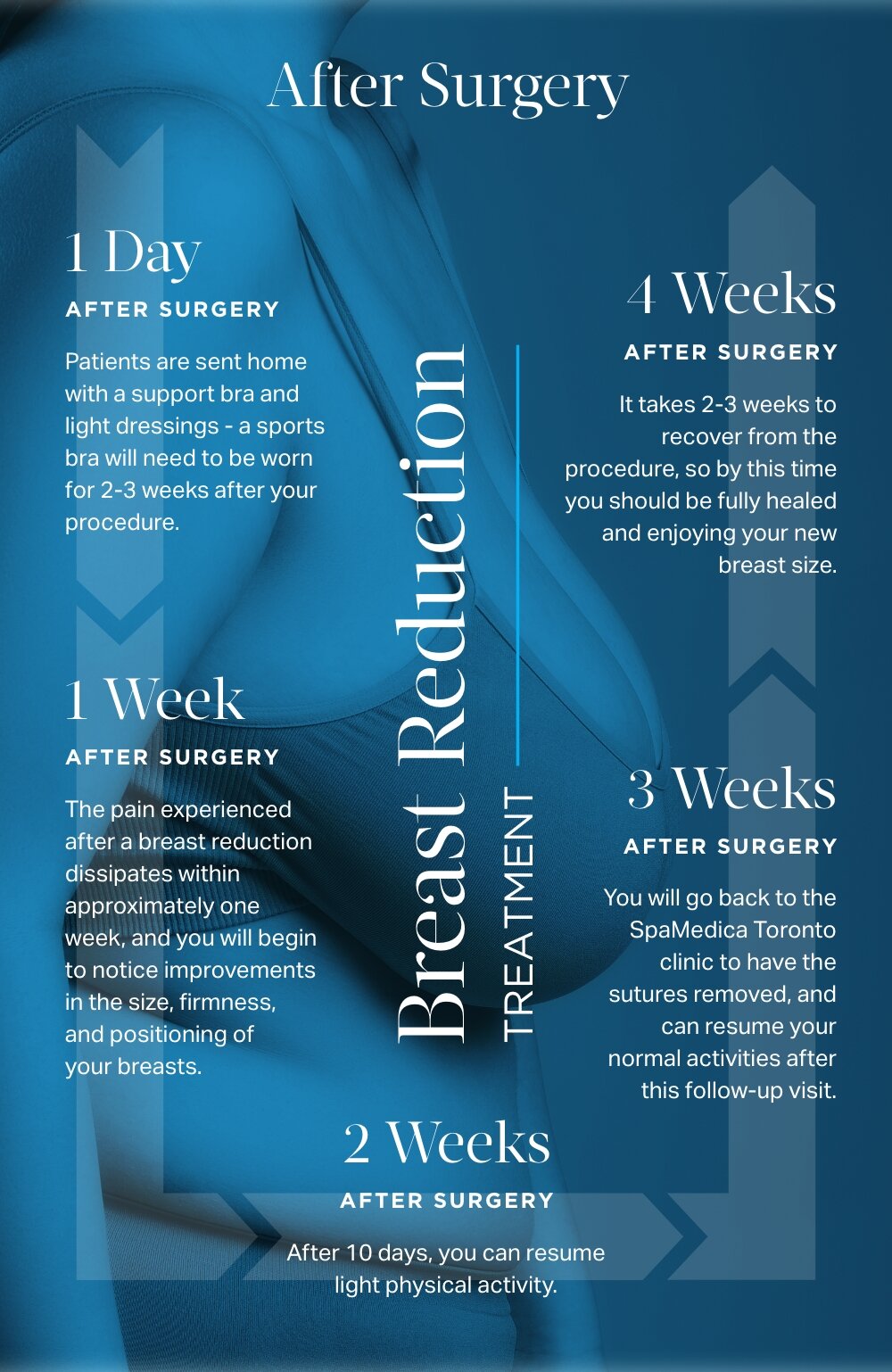
Day 1: Patients are sent home with a support bra and light dressings. The sports bra needs to be worn for 2-3 weeks following the recovery procedure.
Week 1: Patients experience a moderate level of pain following a breast reduction. The pain dissipates within approximately one week. At this time, women notice the results of the procedure. Their breasts are smaller, firmer, and in an ideal position.
Week 2: After 10 days, you can resume light physical activity.
Week 3: You will go back to the TPS clinic to have the sutures removed. Patients can typically resume normal activities after this follow-up visit.
Week 4: It takes 2-3 weeks to recover from the procedure, so by this time you should be fully healed and enjoying your new breast size. Patients need to eat a healthy diet following the procedure. This helps them maintain the results.
4 Benefits of a Reduction Mammoplasty
Smaller and Shapelier Breasts
Breast reduction surgery reduces the size and weight of overly large breasts, resulting in a smaller and shapelier contour. This makes it easier for women to confidently purchase and wear form-fitting clothes.
Improved Mobility
Overly large breasts make it difficult to move. Many women avoid physical activities because the size of their breasts holds them back. After undergoing breast reduction surgery, women feel lighter and more agile.
Less Strain on the Body
Aches and pains are common for women who have large breasts. These aches and pains typically go away following breast reduction surgery. The breasts no longer put stress on the body, so women feel so much better.
Positive Self-Image
Women are amazed by how much better they feel about themselves following a breast reduction surgery. They have a newfound positive self-image, and it shows every time they go out.
Breast Reduction Risks
Like every procedure, breast reduction surgery comes with a small chance of potential complications. The best thing patients can do to minimize the likelihood of complications is to select a trusted surgeon. Dr. Bray and the team at TPS Wellness Centre have years of experience performing breast reductions and have not seen the risks associated with the procedure:
Hematomas and Infections
Hematomas (small blood collections under the skin of the surgery site) and infections are possible with all surgical procedures. Patients with these complications will be treated by Dr. Peter Bray and the TPS Wellness Centre team.
Anesthesia Complications
While rare, some patients experience anesthesia complications. Dr. Peter Bray will review your medical history to ensure you are a good fit for anesthesia. He and the team at TPS will also monitor you during and after the procedure.
Asymmetrical Breasts
Breast asymmetry is possible after a breast reduction. Often, the breasts look asymmetrical immediately following the procedure, but the asymmetry goes away once the swelling dissipates. However, in some cases, this is a permanent result.
Loss of Nipple Sensation
Patients can lose nipple sensation after undergoing breast reduction surgery. This is often temporary, but some patients permanently lose sensation.
Types of Breast Reduction Surgery
Traditional Mammoplasty
A cosmetic breast reduction procedure, often referred to as a Mammoplasty, improves the aesthetic balance and proportion of your figure. The procedure makes the breasts proportionate and alleviates the pain and discomfort caused by large, heavy breasts.
Breast Lift
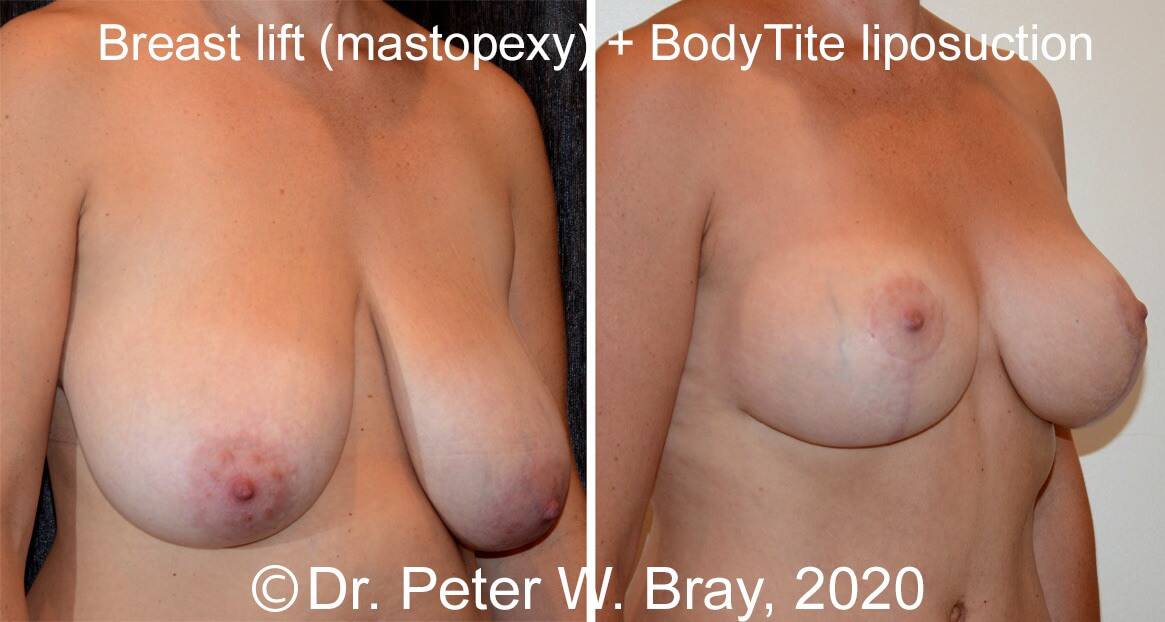
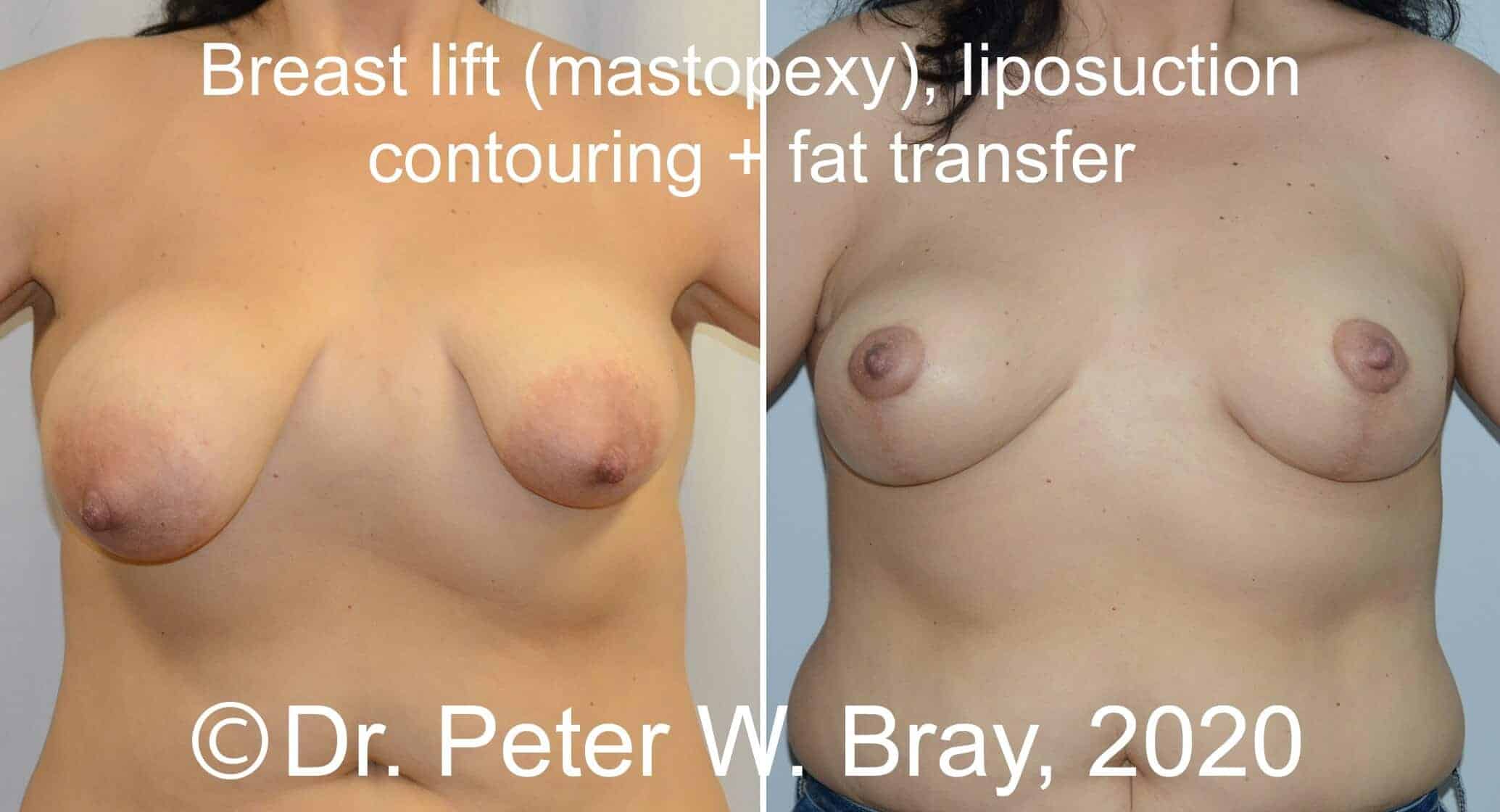
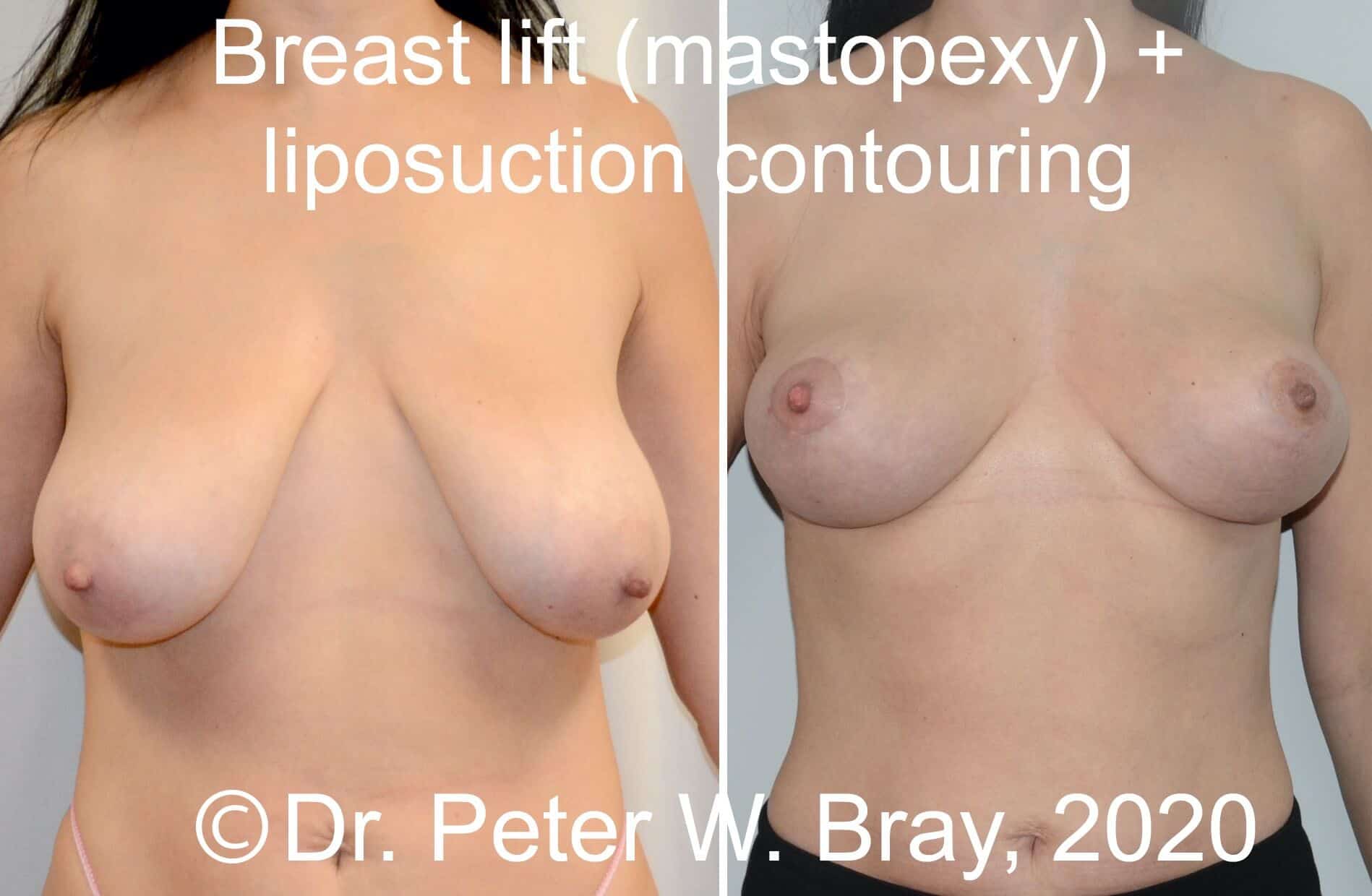
A breast lift, also known as a mastopexy, is another popular procedure that helps you achieve a perkier look to your chest and can often help reduce the size of your breasts if they sag due to size. During the procedure, excess skin is removed and the surrounding tissue is tightened to reshape and support your new breast contour. A breast lift can help restore lost elasticity and correct any asymmetry or pain associated with larger breasts from pregnancy, weight fluctuations, gravity, genes, aging, and breastfeeding.
Nipple Reduction
If you struggle with large, dropping, or downward-pointing nipples due to various factors like breastfeeding or aging, you can seek out nipple reduction surgery as part of your breast reduction or as a separate treatment altogether. In addition, our TPS Wellness Centre team can correct prominent nipples that make it difficult to wear thin clothing or bathing suits, or nipple hypertrophy which means you experience extreme discomfort due to chafing and irritation from rubbing against clothes.
Areola Reduction
To achieve full breast symmetry, you may need to also correct the shape of your areolas. Many women achieve symmetrical breasts with a reduction and areola surgery or with just areola surgery alone. Surgical correction of the size and shape of your areolas can make your desired results even more aesthetically pleasing, along with correcting concerns associated with tuberous breasts. Our Toronto clinic offers various solutions to disproportionate breasts, areolas, and nipples – so book a consultation today!
Male Breast Reduction
Male breast reduction, also referred to as Gynecomastia correction, involves contouring the chest to reduce the look of male breasts to achieve a natural, masculine appearance. The procedure steps are quite similar to a female breast reduction and often provide a newfound sense of self-esteem to our Toronto patients.
Non-Surgical Alternatives
BreastTite and BodyTite liposuction can be minimally invasive options to traditional cosmetic breast reduction surgery.
Best Procedures Paired with Breast Reduction
Liposuction, fat grafting and tummy tuck surgery are best paired with cosmetic breast reduction surgery. To learn more, contact the TPS Wellness Centre team to book a consultation in their state-of-the-art Toronto clinic.
Why Choose Dr. Bray at the TPS Wellness Centre for a Mammoplasty?
Dr. Peter Bray brings extensive surgical experience and a deep understanding of body anatomy to every procedure. He focuses on achieving smooth, balanced contouring that complements each patient’s natural proportions rather than treating every case the same. Patients choose Dr. Bray for his careful planning, precise technique, and thoughtful attention to postoperative outcomes that support long-term satisfaction.
Body and breast procedures at TPS Wellness Centre are performed in a CPSO-accredited surgical facility, ensuring compliance with the safety and quality standards set by the College of Physicians and Surgeons of Ontario (CPSO). Patients can feel confident that their procedure takes place in a regulated environment that upholds rigorous clinical protocols.
FAQs
How Painful Is It to Get a Breast Reduction?
Women can expect a moderate level of pain following the procedure. The pain is controlled with oral medication.
Will I Have Scars After a Breast Reduction?
Scarring is normal after a breast reduction procedure. However, scarring can be minimized in most cases, with complementary TPS post-op laser and scar treatments.
Will My Nipple Be Removed During a Breast Reduction?
Dr. Bray repositions the nipple during the breast reduction procedure. The nipple is moved into a higher position. While the nipple usually remains attached to the blood supply, the surgeon has to remove and transplant the nipple when the breasts are extremely large.
How Small Will My Breast Be After a Breast Reduction?
The size following a reduction depends on breast composition, size, and patient goals. Dr. Bray will consult with you to determine the desired outcome. Cup sizes vary from one manufacturer to the next, so instead of focusing on cup sizes, plastic surgeons consider skin measurements when providing the expected outcome.
Is Breast Reduction Permanent?
The surgery is permanent. However, if you gain weight, your breasts will get bigger. They will not get back to their original size, though.
Will Sensitivity Be Affected After a Breast Reduction?
It is possible to lose nipple sensitivity following breast reduction surgery. While this is often temporary, it is permanent in some cases.