May 14th, 2025
Dr. Mulholland, Md
The benefits of getting in shape and having a proper diet are nearly immeasurable. On the physical side, your lifespan is extended, and your health improves, with reduced joint pain and lower risks of diseases such as diabetes and heart disease. People often report better sleep patterns and lower blood pressure, each with its own benefits.
Mentally, losing weight can dramatically increase a person’s confidence levels. Even losing a few pounds can help to boost your self-esteem.
This can be especially true in those cases of dramatic weight loss, for those who are losing weight can be a life-altering experience. Those who undergo extreme levels of weight loss are nearly unrecognizable after they hit their goals.
However, extreme weight fluctuation can come with some unwanted baggage in the form of loose skin.
Loose skin after weight loss can appear in multiple areas of the body and come with a range of physical and mental issues. But there are ways to help prevent and tighten loose skin after weight loss as well. At Toronto Plastic Surgeons Wellness Centre, we see people every day looking to help treat loose skin—whether it be women looking for a mommy makeover or men wanting a male tummy tuck. But before talking about treatments, let’s talk about the cause.
What Causes Loose Skin After Weight Loss
The answer to this is simple, but can be tough to hear for many. The short answer is that excess fat pushes out and stretches our skin. Our bodies produce proteins called collagen and elastin, which help keep our skin feeling tight and able to snap back. In cases of slow, gradual weight loss, they’re what help the skin reshape with you.
However, when dramatic weight loss happens, dramatic being categorized as starting around 60-100 pounds or more, or the weight loss occurs very fast, the body can’t produce collagen and elastin fast enough to keep up. Hence, the skin has issues snapping back and instead droops and hangs.
To make matters worse, as we get older, our bodies begin making less collagen, and our skin loses its elasticity. This can make loose skin after weight loss even more noticeable.
Besides the natural progression of time and amount of weight lost, there are a few other factors that can contribute to making loose skin, such as:
Sun Damage
In this day and age, we all know the dangers of UV damage and extended sun exposure. But did you know that chronically sun-damaged skin alters the way your body produces collagen? A study published in the National Library of Medicine examined collagen levels in skin exposed to sun damage versus skin not exposed. The results were dramatic. Collagen levels in the sun-damaged skin were a whopping 20% less than the skin not exposed to the sun. Less collagen means more sagging skin; this is why those who chronically tan can get a “leathery” appearance.
Smoking
Besides being terrible for your overall health, the chemicals found within cigarettes directly damage the collagen in your body and reduce the production of new collagen as well.
A study that took samples from almost 100 people, almost equally split between smokers and non-smokers, showed that collagen production levels were 18%-22% less in smokers than in non-smokers.
Dehydration
As many people know, your body is, on average, made of 60% water. When it comes to the skin alone, the water content is between 10-20%. When levels drop below this, your skin can be considered dehydrated. Dehydrated skin is rough, dry, easily irritated, and can look prematurely aged. Additionally, chronically dehydrated skin doesn’t snap back as quickly. You can test this yourself by pinching the skin on your forearm. If it springs back right away, your hydration levels are okay. If it moves slowly back into place, you may have hydration issues. This is common among those who work out and sweat without proper hydration, and it may contribute to loose skin after weight loss.
Challenges That Come With Loose Skin After Weight Loss
Those with sagging, loose skin often report feeling embarrassed about their appearance. Dealing with loose skin after weight loss can be especially devastating to those who have worked so hard to achieve dramatic weight loss goals, only to still feel self-conscious about their bodies. Those with loose skin after weight loss often say it feels like they’re wearing a “fat suit,” and they’re now a fit person “trapped” in a larger person’s body. In cases of excess loose skin after weight loss, the person may have difficulty wearing well-fitting clothes. Other areas of loose skin, such as the arms, can be hard to conceal beneath clothing, especially during warmer weather, when sleeves aren’t appropriate.
Additionally, physical issues can arise when one has an abundance of loose skin after weight loss, such as chafing and inflammation from skin rubbing together and moisture trapped in the folds. This irritation can be a nuisance in areas like the thighs and buttocks regions.
Frequently Asked Questions
How to Prevent Loose Skin After Weight Loss
If you’re wondering how to avoid loose skin after weight loss, there are steps you can take to reduce its impact.
For starters, one of the best things you can do to avoid loose skin after weight loss is by emphasizing muscle toning exercises rather than just cardio; you can help to strengthen the areas underneath the skin and fill out the area with muscle rather than nothing, replacing the fat, which leaves empty space for the skin to sag. These toning exercises are some of the best ways of how to tighten loose skin after weight loss.
It’s also imperative to follow safe diet and exercise guidelines to ensure gradual weight loss. These guidelines generally suggest losing no more than 2 pounds per week, as any more may prevent the skin from having enough time to recede with your fat loss.
Additionally, other ways to avoid loose skin after weight loss include staying properly hydrated, taking collagen supplements, and moisturizing with lotions or bio-oil.
Does Loose Skin After Weight Loss Go Away on Its Own?
In moderate cases, and during weight loss when you’ve taken the low-and-slow approach of no more than two pounds a week, you should find that your skin will retract on its own. You may notice this yourself during your weight loss journey. For example, you may periodically feel you’ve lost additional weight, but the scale may not reflect this. This appearance of looking skinnier, with no additional weight loss, may be your skin receding to a more proportional look.
How to Get Rid of Loose Skin After Weight Loss
When diet, exercise, and topical treatments do not work, cosmetic surgery may be the only option to permanently remove stretched, loose skin after weight loss.
Our Services
At our clinic, we offer a variety of surgeries for loose skin after weight loss across all areas of the body.
Some loose skin cases can be solved on their own by using the above methods, they can often be ineffective on more prominently stretched skin, and the best way to tighten loose skin after weight loss is through body contouring procedures.
At our clinic, we offer many treatments for loose skin and can target almost any body area where loose skin after weight loss may occur. Some of these include:
Abdominoplasty (Tummy Tuck)
A tummy tuck is often confused with liposuction surgery. While both are body contouring procedures, they differ in purpose. While liposuction is performed to remove stubborn fat deposits, tummy tucks are performed to tighten loose skin after weight loss or for other reasons, such as pregnancy or aging.
The skin is then pulled tight, with excess removed by making incisions into the abdomen along the hipbones. This will result in a flatter, more toned stomach. A liposuction procedure is sometimes performed with a tummy tuck to remove unwanted fat deposits and achieve a smoother overall result. Our clinic has some of the best Toronto tummy tuck specialists in Canada to help you achieve your desired results.
Lower Body Lift
Lower-body lifts are one of the most widely performed procedures for getting rid of loose skin after weight loss, as they can target a multitude of areas at once. During a body lift, excess sagging skin is removed from any of the following areas:
- Waist
- Thighs
- Hips
- Buttocks
Brachioplasty (Arm Lift)
Loose skin around the upper arms is common after weight loss. It can make it especially frustrating to buy clothing like tighter-fitting short-sleeved shirts, and typically results in the person needing to buy a size up in a shirt, which may drape other portions of their body.
Those who are insecure about flabby sections of loose skin around their arms may seek out a Brachioplasty, or arm lift, in Toronto to help remove loose skin after weight loss.
An arm lift is performed to improve the appearance of your upper arms, specifically in the underarm region, by your armpits and elbows. The excess skin and any residual fat are removed from these sections, and the remaining skin is repositioned for a slimmer, more toned appearance.
Double Chin Removal
Having loose skin under the chin after weight loss is common and can give the appearance of a double chin. We offer several types of chin liposuction in Toronto, including the following:
- SmartLipo: Surgical method using gentle laser technology to melt fat cells for easier removal
- BodyTite Lipo: Surgical method which uses radiofrequency to generate heat and melt fat cells
- VASERLipo: Surgical method which uses ultrasound technology to disintegrate fat cells
- Evoke: Non-surgical method of body contouring which uses radio frequencies
- CoolSculpt: Non-surgical method of using sub-zero temperature to freeze fat cells to death
- SculpSure: Non-surgical method using laser energy to melt fat cells
Breast Lift
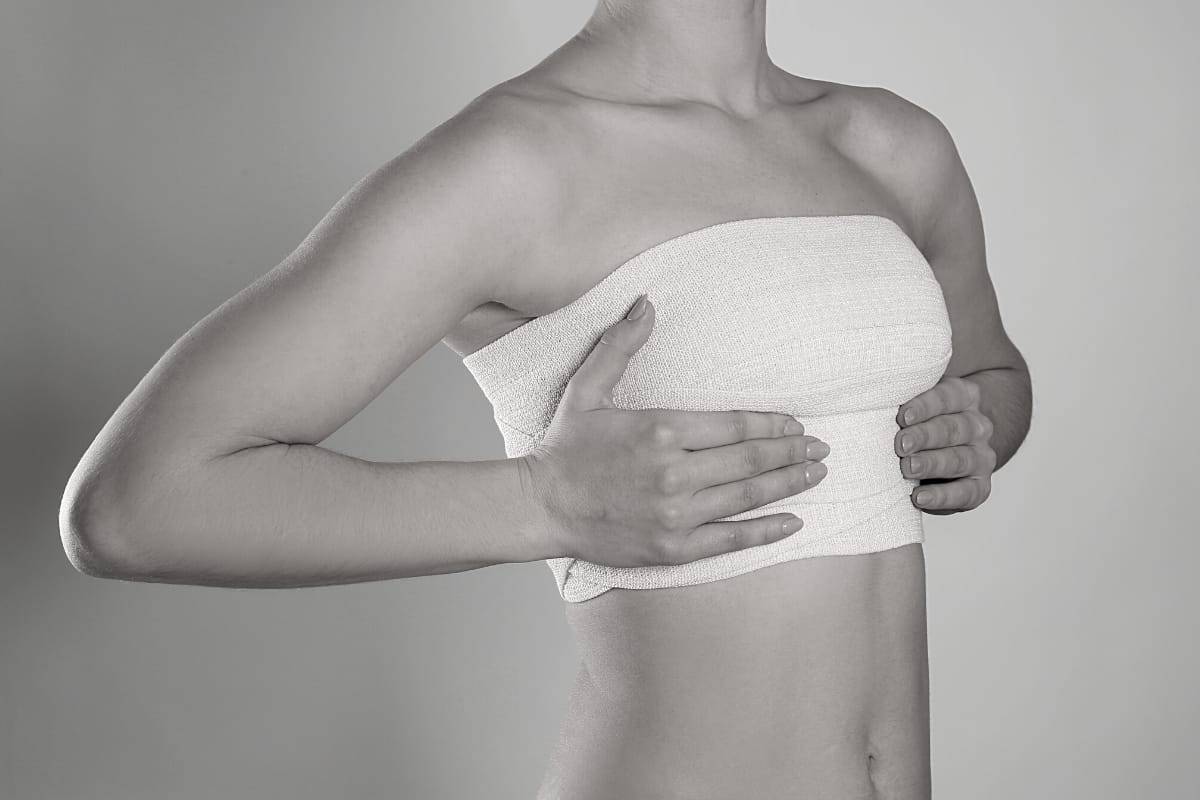
Breasts are another area that can create loose skin after weight loss. With fat deposits suddenly disappearing, breasts can decrease in size and droop, giving the appearance that they’ve deflated. This can also happen to women after pregnancy and breastfeeding.
A breast lift can be performed to restore perkiness and give the breasts a more youthful appearance. During a breast lift procedure, small incisions are made, and the tissue within is reshaped. If required, nipples are then repositioned, and any excess skin is removed. While this procedure can restore fullness and tightness to breasts, it generally does not increase cup size and thus is often paired with a breast augmentation for optimal results.
At our clinic, we perform several different methods of breast lifts, including:
Crescent Lift
The least invasive procedure, typically performed on those with only minor sagging. Small incisions are made to the areola during this lift, and a crescent-shaped skin section is removed so the nipple can be raised.
Donut Lift
This method is slightly more invasive than the crescent method and involves a single circular incision around the areola.
Lollipop Lift
This method involves making an incision from the areola down to the under-breast area, and excess tissue is then removed. This vertical line connecting to the nipple gives the appearance of a “lollipop.”
Anchor Lift
This breast lift method is usually reserved for cases of significant sagging in the breasts. Incisions are made from the areola to the under-breast area, then continue and curve along the folds of the breast. Skin and tissue are then removed as the breast is reformed.
Gynecomastia Surgery (Male Breast Reduction and Lift)
Just like liposuction for men, breast reduction procedures aren’t only for women. Gynecomastia, also known by the unflattering names “man boobs” or “moobs” for short, is an extremely common condition in all ages and sizes of men. It’s considered an unwanted condition to have, as having “boobs” can be emasculating or embarrassing.
At least 30% of men have gynecomastia at some point in their lives, and especially after fitness changes, loose skin after weight loss around the chest can be prevalent. Having a male breast lift can help restore a masculine appearance to the chest by tightening loose skin in the affected area after weight loss.
If you’re asking yourself, “Do I have gyno, or am I just fat?” you’ll find valuable insights in our detailed comparison guide.
Am I a Good Candidate for Skin Removal?
In general, it is recommended that those seeking procedures to tone loose skin after weight loss be in good health and maintain a stable weight for at least 6 to 12 months. Additionally, if you’ve recently had other body-contouring procedures, such as liposuction, you may be required to wait before becoming eligible for surgery. However, some exceptions can be made on a case-by-case basis and discussed during your consultation with us.
Our Specialists Can Help You
At Toronto Plastic Surgeons Wellness Centre, we have a fantastic team of skilled surgeons who are practiced in all manners of combating loose skin after weight loss, whether it be double chin removal, breast lifts, or tummy tucks. We also offer several non-surgical options, such as Cool Sculpting and Evoke.
Whether your needs are surgical or not, you can trust our experienced team to help you get your body to its best version.
If you’re tired of feeling insecure about dealing with loose skin after weight loss, pregnancy, or any other reason, we can help. Please book a consultation with us online or call 647-723-3739 to speak with one of our experts, who can guide you through our available services.

Dr. Stephen Mulholland, Md
Dr. Stephen Mulholland has been practicing plastic surgery for over 20 years. He is one of Canada’s most renowned and best plastic surgeons in Toronto with his wealth of experience, artistry, and humbleness towards his patients.
View Dr. Mulholland’s Profile View Dr. Mulholland’s Wikipedia